Garage Insulation Denver: The Secret to a Warmer Home and Lower Energy Bills

As a top provider of home insulation Denver relies on, I have seen firsthand how our extreme weather impacts local properties.
From freezing winter nights that drop well below zero to scorching summer afternoons, maintaining a comfortable indoor temperature is a constant battle for homeowners.
Yet, despite investing heavily in advanced HVAC systems and upgraded windows, many residents overlook one of the largest vulnerabilities in their thermal envelope: the garage.
Whether you use it as a workshop, a home gym, or simply a place to park your vehicles, investing in professional garage insulation Denver is essential.
It is the undeniable secret to a warmer home and significantly lower energy bills.
In my years of hands-on experience evaluating home insulation Denver properties, I've noticed that uninsulated garages act like giant thermal vacuums.
They suck the heat right out of your adjoining living spaces.
In this comprehensive, expert-led guide, my team and I will walk you through exactly why your lack of garage insulation is draining your home's energy efficiency.
We will cover the best materials for the job, alongside what you can expect in terms of costs and return on investment.
If you want to stop paying to heat the Colorado outdoors, keep reading.
Why Garages Cause Major Heat Loss
Why is garage insulation such a massive liability for your home's overall thermal performance?
To understand this, we have to look at the basic physics of heat transfer.
Heat always moves toward cold.
When your garage is uninsulated, it essentially becomes an icebox in the winter.
Proper garage insulation stops this.
Most garages are built with minimal thermal protection.
They feature large, uninsulated metal doors that radiate cold, concrete slabs that absorb freezing ground temperatures, and thin exterior walls.
More importantly, the walls and ceilings shared between the garage and your interior living spaces are frequently under-insulated during initial construction.
This creates a severe phenomenon known as thermal bridging.
The cold air from the garage transfers through the wooden wall studs directly into your drywall, cooling down your interior rooms.
Furthermore, uninsulated garages are notoriously drafty.
Air leaks around the garage door, windows, and poorly sealed sill plates allow cold winter drafts to penetrate the space.
Quality garage insulation prevents this from happening.
If your HVAC ductwork or plumbing runs through this freezing environment, your furnace has to work twice as hard to push warm air into your home.
Your pipes even run the severe risk of bursting.
By fully encapsulating this space with premium garage insulation Denver services, you create a thermal buffer zone that protects your primary living areas.
This eases the strain on your heating system and dramatically lowers your monthly utility bills.
Best Types of Garage Insulation
When it comes to garage insulation, not all materials are created equal.
Selecting the right product depends heavily on your specific garage construction, your budget, and your ultimate goals for the space.
Here are the top garage insulation materials my team recommends:
1. Closed-Cell Spray Foam Insulation
In my professional opinion, closed-cell spray foam is the absolute gold standard for garage insulation.
It provides an unparalleled combination of a high R-value (around R-7 per inch) and a complete air and vapor barrier.
Because garages are prone to exhaust fumes, moisture, and extreme temperature fluctuations, sealing every tiny crack and crevice is vital.
Spray foam not only insulates but also adds structural integrity to the walls.
You can learn more about how we apply this premium product by visiting our spray foam insulation page.
2. Fiberglass Batt Insulation
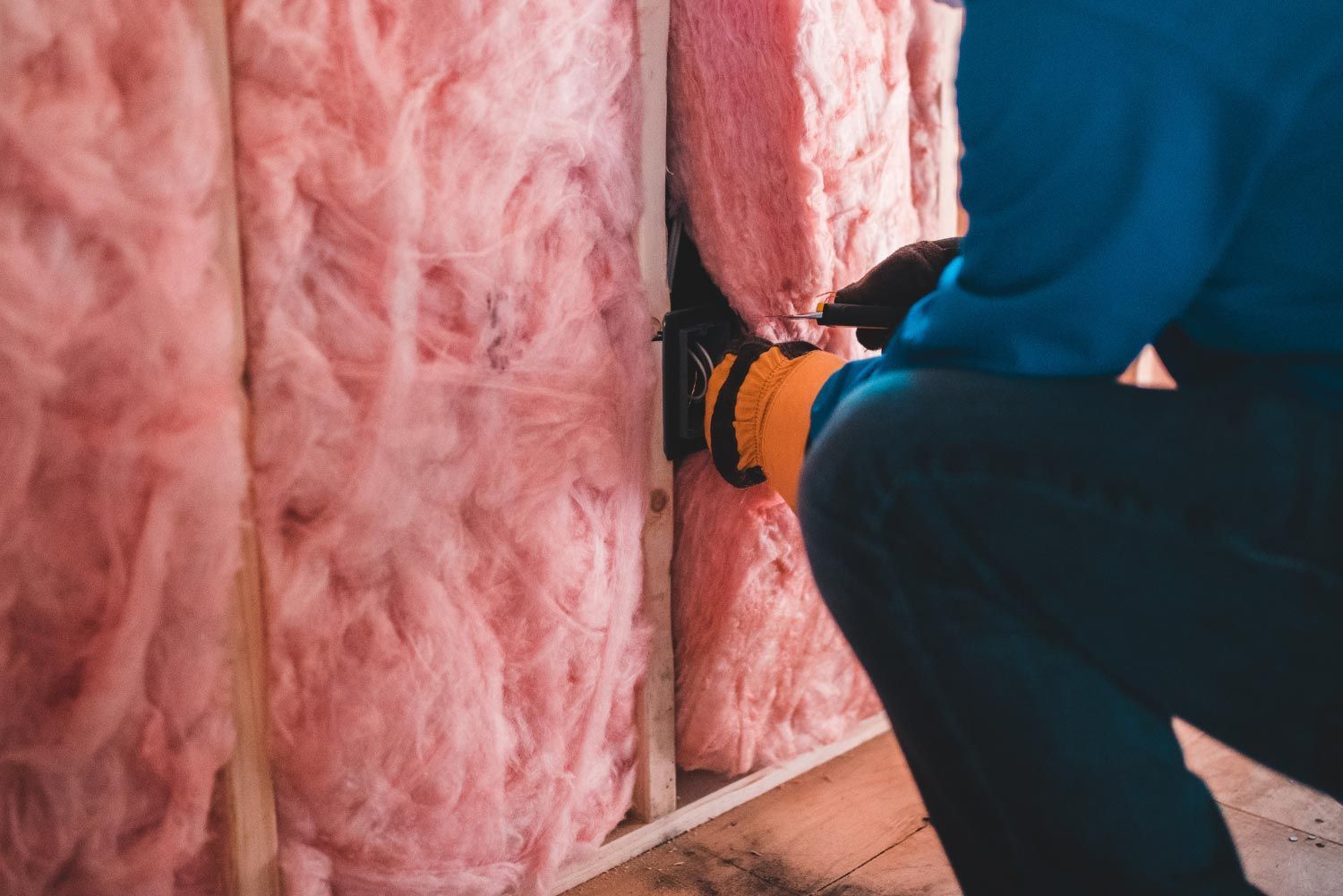
Fiberglass batts are the traditional, cost-effective standard for open wall cavities.
If you have an unfinished garage with exposed studs, installing Kraft-faced fiberglass batts is a straightforward way to add an R-13 to R-21 thermal barrier.
While it doesn't provide the air-sealing properties of spray foam, it can still be highly effective.
When paired with proper caulking and weatherstripping, batt insulation significantly improves the space's temperature retention.
3. Blown-In Cellulose or Fiberglass
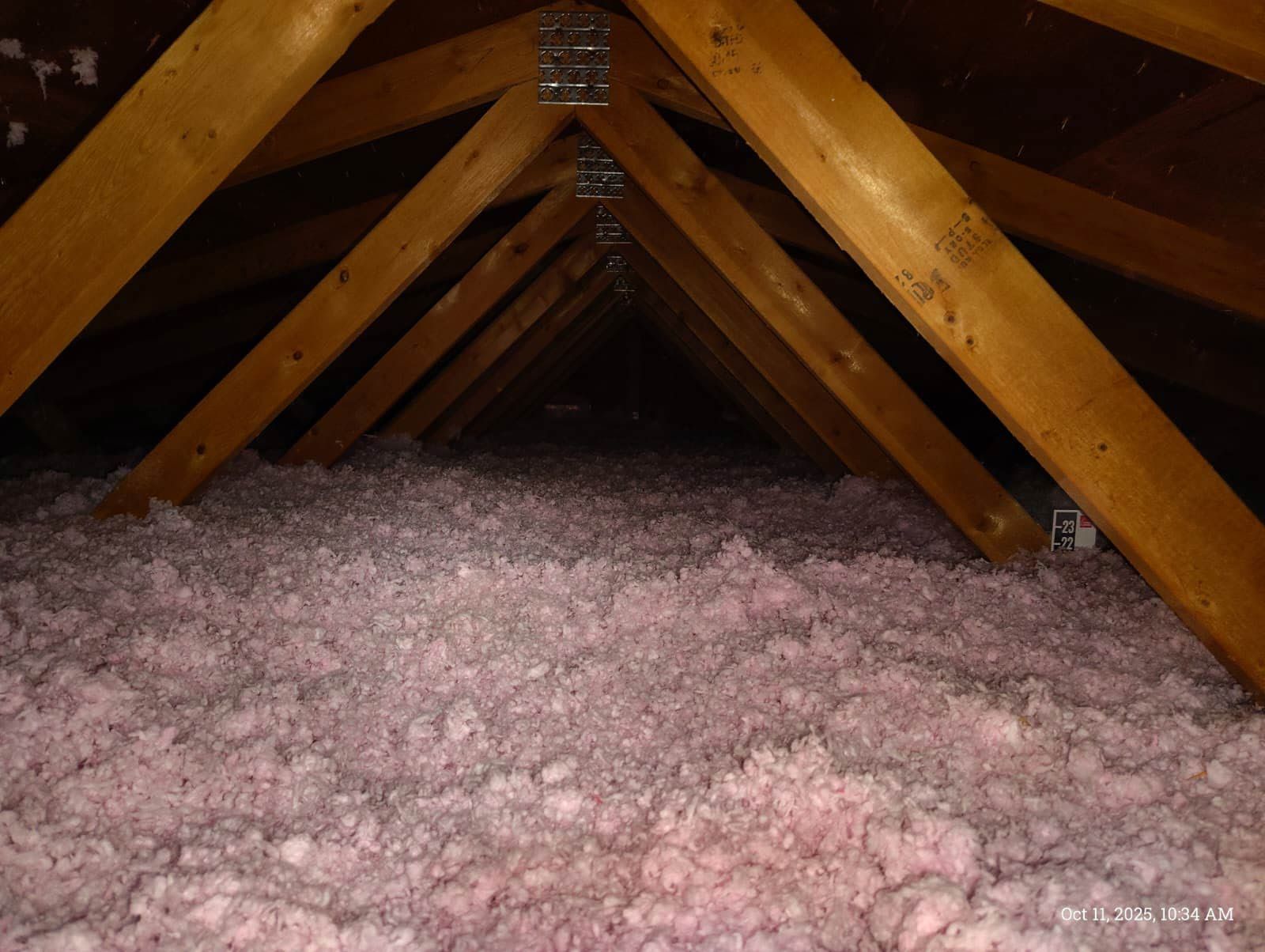
If your garage is already finished with drywall but lacks insulation behind it, we utilize a drill-and-fill method using blown-in insulation.
We strategically drill small holes in the drywall, densely pack the cavities with insulation, and cleanly patch the holes.
This is also the premier choice for insulating the attic space directly above your garage, boosting your overall home insulation Denver performance.
4. Rigid Foam Board
Rigid foam panels are excellent for specialized garage insulation applications.
We frequently use them to insulate the actual garage doors or to line masonry and concrete walls where moisture might be a concern.
Detached vs Attached Garage Insulation Denver Strategies
The strategic approach to garage insulation Denver homeowners need relies heavily on whether the structure is attached or detached from the main house.
Attached Garages:
The primary goal when installing garage insulation in an attached structure is to protect the adjacent living spaces.
We prioritize the shared walls and the ceiling if there is a room above.
By creating a rigid thermal break and a strict air barrier, we stop the cold garage air from stealing heat from your home.
Additionally, building codes require strict fire blocking and vapor barriers.
This prevents dangerous vehicle exhaust, like carbon monoxide, from seeping into your home's airflow.
Detached Garages:
For detached structures, the goal is usually to make the space usable year-round.
This allows the space to function comfortably as a home office, an art studio, or a heavy-duty workshop.
Because it doesn't share a wall with your home, we must insulate all four exterior walls and the roof deck.
This creates an entirely independent thermal envelope.
Depending on the heat source you plan to use in the detached space, we carefully tailor the R-value.
This ensures the climate remains stable without skyrocketing your electricity usage.
Garage Ceiling Insulation vs Wall Insulation
Homeowners often ask me where they should prioritize their budget: the ceiling or the walls?
The answer depends entirely on the specific layout of your home.
If you have a bedroom, bonus room, or living room directly above your garage, garage ceiling insulation is absolutely critical.
Without a dense thermal barrier, the floor of that upper room will always be freezing in the winter and uncomfortably hot in the summer.
We typically recommend removing the garage ceiling drywall to apply closed-cell spray foam directly to the underside of the floor above.
This targeted application ensures zero drafts and maximum thermal resistance.
For walls, especially those shared with the house, high-density garage insulation is key.
Insulating the exterior walls of the garage is a secondary priority but highly recommended if you spend time working in the space.
Cost of Garage Insulation Denver & Aurora
How much does this overall investment cost?
In Denver and surrounding suburban areas, such as when evaluating garage insulation Aurora CO, prices will vary.
They heavily depend on square footage, the current state of the garage, and the materials selected.
While prices fluctuate based on your needs or specific garage insulation Aurora CO upgrades, a professional breakdown can be helpful.
Here is what you can generally expect when hiring a reputable contractor.
| Insulation Type | Average Cost per Sq. Ft. (Denver Area) | Best Application | Expected ROI Timeframe |
|---|---|---|---|
| Fiberglass Batts | $1.25 - $2.50 | Open, unfinished wall cavities; budget-friendly | 1-2 Years |
| Blown-in Cellulose | $1.75 - $3.00 | Attic spaces, dense-packing finished walls | 2-3 Years |
| Closed-Cell Spray Foam | $3.50 - $6.00 | Premium air-sealing, shared ceilings/floors | 3-5 Years |
| Rigid Foam Board | $2.00 - $3.50 | Garage doors, exposed masonry walls | 2-4 Years |
Note: These estimates are based on current regional averages.
Removing old, degraded insulation or fixing extensive air leaks may incur additional labor costs.
Frequently Asked Questions (FAQ)
Do I need a permit for garage insulation Denver projects?
Typically, simply updating or adding garage insulation does not require a building permit in Denver or Aurora.
However, if the project involves altering the structural framing or moving electrical wiring, a permit may be required.
We always ensure total compliance for every home insulation Denver job.
Will insulating my garage make it soundproof?
While standard thermal garage insulation won't completely soundproof a room, materials like dense-pack cellulose and spray foam significantly reduce noise transmission.
If you regularly use your garage as a workshop, proper insulation will greatly muffle the sound.
Does garage insulation really lower energy bills?
Absolutely.
By preventing the massive heat loss that occurs through shared walls and ceilings, your home's HVAC system doesn't have to run as frequently or as long.
Homeowners typically see a noticeable drop in their heating bills immediately following a garage insulation Denver installation.
Should I insulate my garage door?
Yes.
The garage door is the single largest uninsulated opening in your entire home.
Upgrading to an insulated garage door is the perfect way to complement your newly installed garage insulation.
Conclusion
Your garage doesn't have to be a freezing cavern that saps the warmth and energy efficiency out of your home.
You can easily change this by understanding the dynamics of heat loss and choosing the right high-performance materials.
Addressing critical areas like shared ceilings and walls with professional garage insulation transforms your property's comfort levels.
As the premier choice for home insulation Denver relies on, my team is dedicated to providing elite craftsmanship.
We always offer transparent pricing for your next garage insulation Denver project.
Ready to lower your energy bills and enjoy a more comfortable living environment?
Reach out directly via our contact page to schedule a comprehensive energy consultation today.
Let's build a warmer, more efficient home together.