
Insulation Removal Denver — Attic and Crawl Space Clean-Outs by PIKA
Good insulation keeps winter out and summer heat where it belongs — until it gets old, wet or contaminated. In the pre-1980 bungalows and ranches we see across the metro, the existing material has often lost its R-value, holds rodent droppings or moisture, or simply shouldn't stay in place. Blowing new insulation on top doesn't fix that. Our crew removes it and gives the new insulation a clean slate.
Removal isn't a DIY job. It takes HEPA-filtered vacuums, containment, protective gear and an understanding of how each material behaves when disturbed. Whether you're in a Washington Park bungalow or a Capitol Hill Victorian, knowing when removal makes sense saves money and keeps the house healthy.

Why Remove Old Insulation
Insulation doesn't last forever. It settles and compresses; roof leaks and poor ventilation turn batts into soggy mats that conduct heat instead of blocking it; rodents and insects nest in it. And in homes from the 1950s and earlier, material installed decades ago may contain asbestos that should only be handled by trained professionals.
When you add new insulation over old, deteriorated material, you risk trapping moisture, reducing the effective R-value, and making future problems harder to detect. Removal gives your attic or crawl space a fresh start. It allows the insulation contractor to inspect the area for air leaks, damage, and structural issues before installing
new insulation that will perform at its rated efficiency.
Signs Your Insulation Needs Removal
Several clear indicators suggest it is time to consider insulation removal. Rising energy bills despite routine HVAC maintenance often point to failing insulation. Drafts in rooms directly below the attic insulation, or cold floors in winter, can mean the insulation beneath is no longer doing its job. Visible damage such as water stains, mold growth, or sagging batts is a strong reason to remove and replace. Pest droppings, nests, or a musty smell coming from the attic are also red flags.
If your home was built before the 1980s and the insulation has never been replaced, assume it has degraded. Aging material, moisture, ice dams, drafts and pest activity are the reasons homeowners call us for removal and replacement.
Attic Insulation – Your First Line of Defense Against Energy Loss
Your attic is responsible for the majority of your home's heat loss. We install high-performance attic insulation that:
Improves your R-value to meet or exceed Denver climate recommendations
- Prevents warm air from escaping during winter months
- Keeps your home cooler in the summer
- Lowers heating and cooling bills significantly
A properly insulated attic can cut your energy use by up to 20% annually—and we make sure it’s done right the first time.
Types of Insulation and Their Lifespans
Not all insulation ages the same way. Batt and fiberglass typically lose effectiveness after 7–10 years of settling and moisture exposure; cellulose performs well for 10–15; properly installed spray foam is rated for 80–100. That's why so many homes built 20 or 30 years ago are ready for an upgrade.
Because different insulation types break down at different rates, knowing what is currently in your attic helps you plan. A simple inspection by a local contractor can identify the material and its condition. If the insulation is old fiberglass batts that are compressed, dirty, or damp, removal is typically the best route. If it is spray foam that is still intact and not damaged by moisture, encapsulation may be sufficient without removal.
How Our Removal Process Works
Professional insulation removal uses specialized equipment to extract old material quickly and with minimal dust. This setup pulls old insulation out of the attic and directly into sealed containers, reducing airborne particles.
The process generally starts with an inspection to determine the insulation type and check for hazards. Workers set up containment to prevent dust from moving into living spaces. They then use vacuum hoses or mechanical scrapers to remove the material systematically. Once the attic or crawl space is empty, the crew air-seals gaps around pipes, ducts, and wiring before
new insulation is installed. Proper disposal follows local waste regulations, ensuring old material does not end up in landfills without authorization.
Crawl Space Insulation Removal
Crawl spaces fail differently from attics. Floor batts sag out of the joists, soak up ground moisture, and become a nest for rodents — and because nobody looks down there, it goes on for years. Pulling out that material is the first step to warm floors and clean indoor air.
Our crew removes fallen and contaminated batts, old loose-fill and torn vapor barriers by hand and with HEPA-filtered vacuums, bags it on site and hauls it away. We then sanitize the space, seal rodent entry points, and — on the same visit if you choose — install a new sealed vapor barrier and rim-joist air sealing so the problem doesn't come back.
Typical bungalows in Wash Park, Park Hill and Berkeley take half a day to clear; larger split-levels in the southern suburbs take a full day. Removal is quoted as part of the free evaluation, with the replacement insulation priced separately so you can see both numbers.
Safety Considerations During Removal
Old insulation can be hazardous. Professionals wear respirators, gloves, and protective suits to prevent contact. They also use HEPA-filtered vacuums to capture microscopic particles that would otherwise circulate through the home.
Disturbing old insulation releases decades of dust, mould spores and residues. Our licensed crew tests for hazards, contains the work area, vacuums and bags the material, sanitizes, seals rodent entry points and disposes of everything according to local regulations. That peace of mind is worth the cost of hiring a professional.
Removal and Replacement in One Visit
Once the old material is out, the attic or crawl space is clean and ready. We air-seal the bypasses, then install new insulation to Climate Zone 5 R-values — usually the same day. Bills drop, drafty rooms even out, and most homeowners notice less outside noise and smaller temperature swings between floors
When comparing contractors, ask about their removal methods, safety protocols, and whether disposal is included. Find out if they inspect for air leaks and perform air sealing before installing new insulation. A good contractor will give you a clear estimate of the work required and explain why removal is recommended in your specific situation. Since insulation removal is not always necessary, you want a company that provides honest advice based on the condition of your home.
What to Expect After Removal
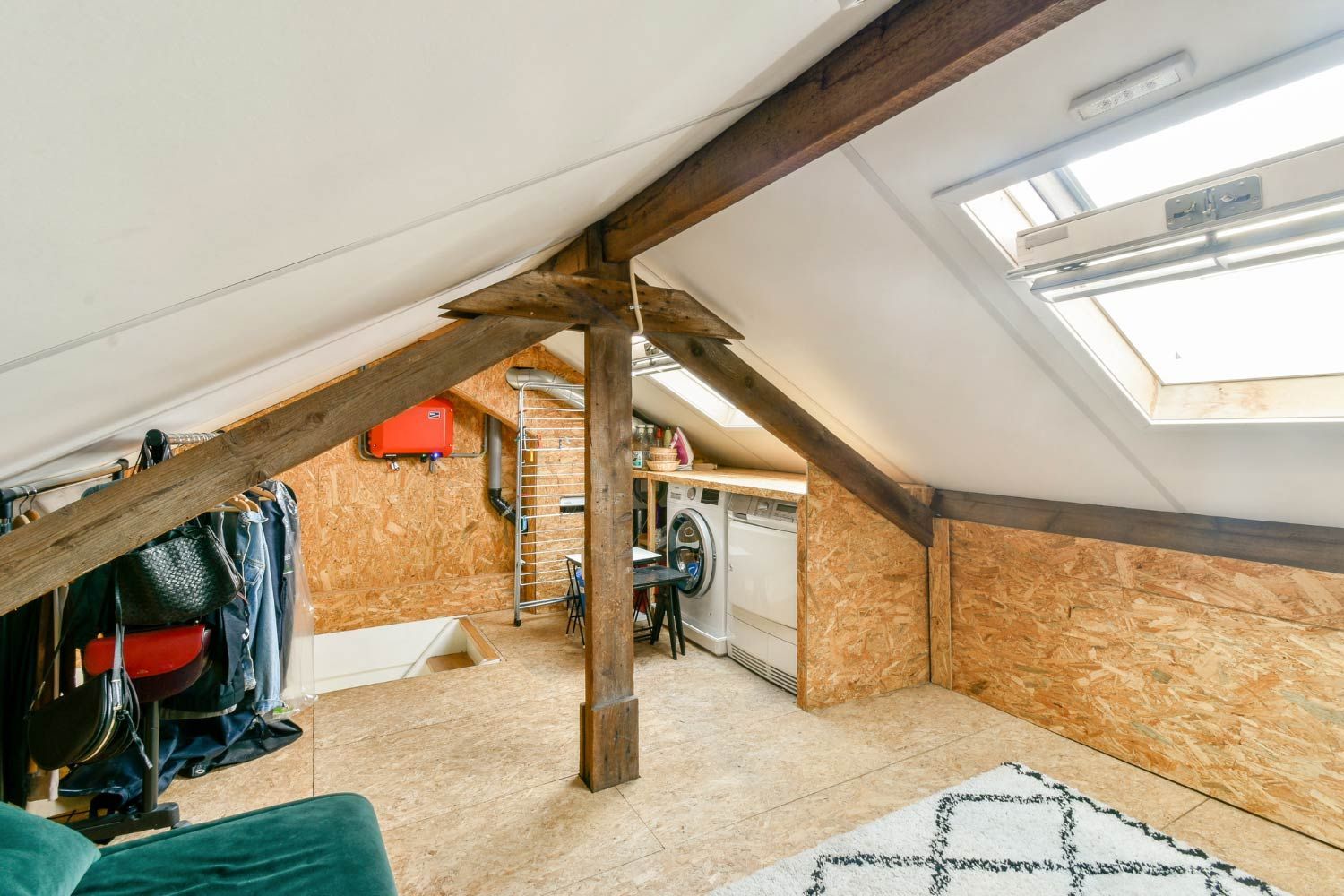
Once the old insulation is out, the attic or crawl space should be clean and ready for new material. The contractor may recommend air sealing to close gaps that allow conditioned air to escape. New insulation is then installed according to current R-value recommendations for Denver’s climate. Your energy bills should drop noticeably, and rooms that were once drafty will feel more comfortable. Many homeowners also notice reduced noise from outside and fewer temperature fluctuations between floors.
If your old insulation had moisture problems, the contractor may also address ventilation issues or recommend a vapor barrier. Addressing these root causes prevents the
new insulation from suffering the same fate. A thorough removal and replacement job can improve your home’s performance for years to come.
Frequently Asked Questions
How often should insulation be replaced?
Most insulation loses effectiveness after 15–20 years; batts sooner (7–10), cellulose 10–15, spray foam 80–100. A free evaluation tells you where yours stands.
Can old insulation contain hazardous materials?
Yes. Homes built before the 1980s may have insulation containing asbestos or older fiberglass products that release harmful dust. Professional contractors test for hazards and follow safety protocols to protect themselves and your home during removal. Never disturb old insulation without knowing what is inside.
Is insulation removal a DIY job?
No. It involves heavy vacuum equipment, dust control and possible exposure to hazardous material. DIY removal risks lung damage and improper disposal and rarely gets the space clean enough for new insulation to perform.
Do I need to remove old insulation before adding new?
Not always, but removal is often recommended if the old insulation is wet, contaminated, compressed, or badly degraded. Adding new insulation over damaged material can trap moisture and reduce overall performance. A contractor can inspect and advise whether removal will give you the best results.
Free Insulation Removal Quote
We will get back to you as soon as possible.
Please try again later.
Removal is the right call when your existing material has passed its prime. Clear out the old, let the new insulation work at full potential, and the payoff is lower bills, a more comfortable house and cleaner indoor air. Book a free evaluation and we'll tell you honestly whether removal is needed.
Whether your attic holds decades-old fiberglass batts or crumbling cellulose, a professional removal service can prepare your home for the next chapter of energy efficiency.
Contact our team if you have any questions.