Attic Insulation Cost Denver: DIY vs. Professional Cost Breakdown

This is a subtitle for your new post
If you own an older home in Denver, you already know the struggle: high heating bills in winter, rooms that never feel quite comfortable, and that persistent draft around the attic hatch. Over the years, I have crawled through hundreds of attics across Capitol Hill, Washington Park, and the Highlands. The question I hear most often is, "How can I lower the
attic insulation cost in Denver homeowners typically face, and should I do this myself or hire a pro?" Let's break down the actual costs, the risks, and the value each path delivers.
Understanding the Typical Attic Insulation Cost Denver Homeowners Pay
Attic insulation in Denver typically runs between $1.50 and $3.50 per square foot when installed by a contractor. National averages from Home Depot fall around $1.80 per square foot, but Denver's climate and older housing stock push local costs higher. Estimates from Homeyou put it at $1.40 to $3.60 per square foot, while Angi reports a wider range of $0.50 to $7.50 per square foot.
The broad range exists because every attic is different. A simple open attic with no obstructions and easy access is far cheaper than a tight, cramped space with old vermiculite that needs removal. When planning your total attic insulation cost Denver averages are a great starting point; you can generally expect project costs between $1,500 and $3,500 according to Integrity Pro Roofing. Angi's average in Denver is around $2,222, with a typical range of $1,799 to $2,645. For a 1,000-square-foot attic, costs range from $1,050 to $3,175; for 1,500 square feet, $1,600 to $4,750.
DIY Attic Insulation: What You’ll Spend on Materials
At the low end of the range, $0.50 per square foot probably reflects material-only costs for basic fiberglass batts. For a 1,000-square-foot attic, that means $500 in materials. But if you choose blown-in insulation, you will need to rent a blowing machine from a home improvement store, which can add $100 to $200 per day.
You also need to buy the insulation itself. Blown-in cellulose or fiberglass typically costs $0.30 to $0.50 per square foot for the material alone. Add the rental fee, and your DIY
attic insulation cost in Denver may land around $600 to $800 for that same attic. That sounds like a bargain compared to professional installation, but those numbers only cover the easy part.
How Labor Affects Attic Insulation Cost Denver Pricing
When you hire an attic insulation company in Denver like PIKA Insulation, the per-square-foot price includes more than just the material. Most contractors in Denver charge $70 to $80 per hour for labor. An experienced crew can air-seal, remove old insulation, and blow in new material in a fraction of the time a DIYer could.
For a mid-cost area like Denver, removal and replacement runs $4,000 to $7,500, with labor alone $2,500 to $5,000 according to Miller Attics. Those numbers reflect a full cleanout. If your attic already has fiberglass batts that are in good shape, you may only need a top-up. Professional blown-in installation typically runs $1.50 to $2.45 per square foot nationally, with local Denver rates at the higher end of that range.
Air Sealing: The Step Most DIYers Skip
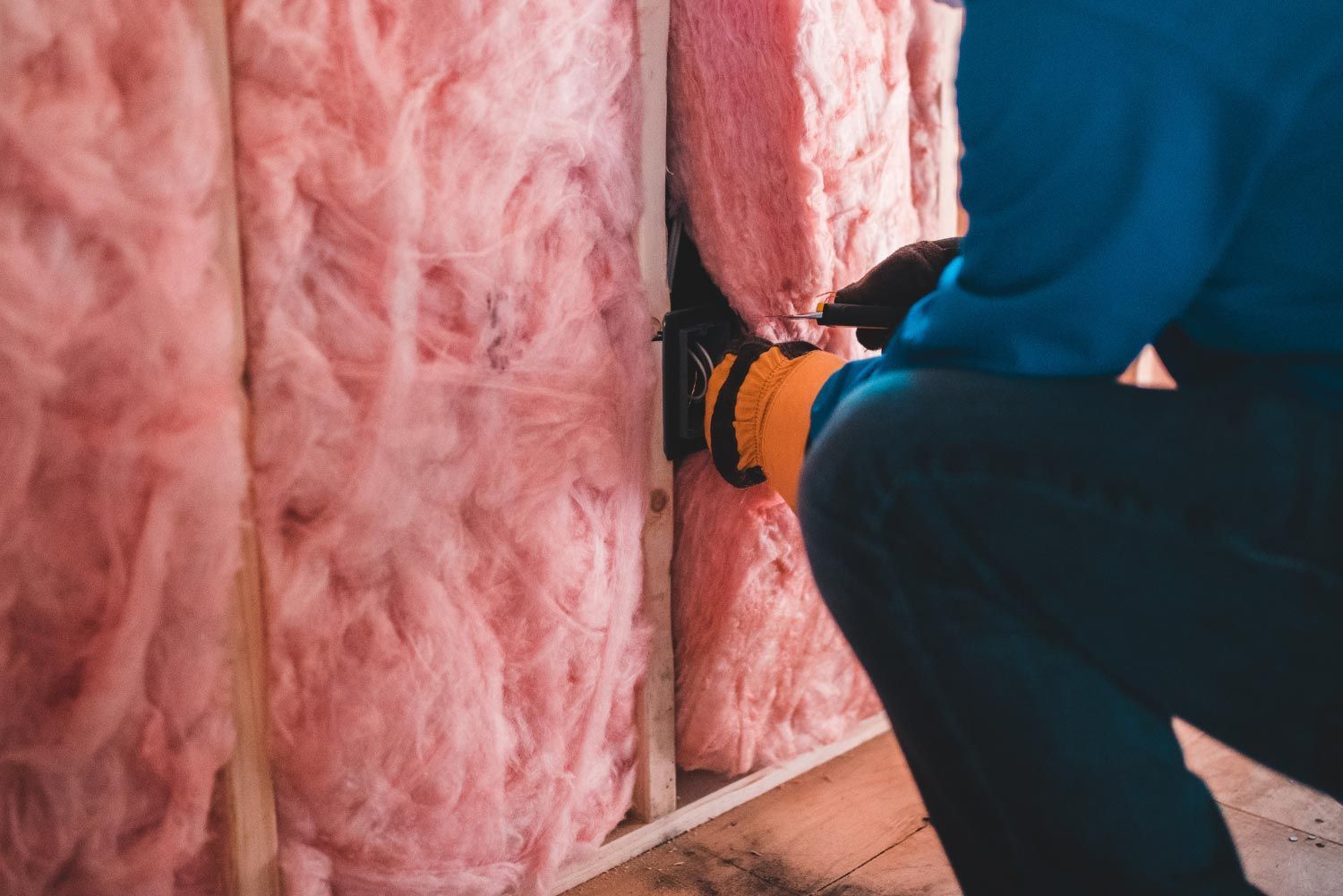
Before adding new insulation, air sealing is strongly recommended. Gaps and cracks around plumbing vents, electrical wires, and the attic hatch allow heated air to escape. In older Denver homes, these leaks are often significant.
A professional crew will seal them with caulk or foam. DIYers often skip this step because it is tedious and hard to do thoroughly. Without air sealing, you lose much of the energy-saving benefit of your project, driving up your true, long-term attic insulation cost during winter in Denver will expose through high energy bills.
The Hidden Costs of Going DIY
Blown-in insulation is dusty, heavy work. You need proper protective gear: a respirator, goggles, gloves, and long sleeves. Renting a blowing machine often requires a deposit and a trailer to haul it home. After installation, you have to dispose of any old insulation you removed. Some landfills charge per bag.
If your attic has old vermiculite (common in Denver homes built before 1990), it may contain asbestos, and you must not disturb it. Professional insulation removal in that case becomes mandatory, which will significantly alter your DIY versus pro attic insulation cost calculations in Denver.
There is also the risk of getting the R-value wrong. Denver's current code requires R60 in new construction or when adding insulation. The Department of Energy recommends R49 to R60. If you add too little, your energy bills will not improve much. If you add too much, you could compress the insulation and reduce its effectiveness. A pro knows how to measure and achieve the target R-value.
R-Value Requirements and Your Attic Insulation Cost Denver Calculations
Colorado’s current minimum code for attic insulation is R-60. That is a substantial step up from the R-19 or R-30 that many older Denver homes still have. Most attic insulation lasts 20 to 30 years, so if your home’s insulation is older than that, it is likely underperforming.
Blown-in
cellulose insulation and
fiberglass insulation are the most common types used in Denver. Fiberglass is less expensive, while cellulose offers better air-sealing properties. Both can achieve R-60 with the right depth, though your choice of material will directly dictate your final attic insulation cost in Denver. If you are considering a DIY job, verify that the material you choose can reach R-60 at the listed coverage per bag.
Potential Savings and Incentives
Blown-in attic insulation in Denver typically reduces heating costs by 15 to 30 percent and pays back the investment in 2 to 4 years, according to Insulation Nation. On a typical $1,500 annual heating bill, that is $225 to $450 saved each year. Over 20 years, the savings add up.
Additionally, Xcel Energy offers rebates for insulation and air sealing in Colorado, which can heavily offset your total attic insulation cost in Denver. The federal government also provides tax credits through IRS Form 5695 for home efficiency upgrades. The exact rebate amounts change frequently, so check with Xcel Energy and the IRS before starting your project, whether DIY or professional.
Evaluating Attic Insulation Cost Denver: When DIY Makes Sense vs. Pro
DIY attic insulation can work if your attic is open, clean, and easy to access; if you already have the safety gear; and if you are comfortable renting equipment and working in a hot, dusty space. A small attic of 500 square feet with no old insulation to remove might be a good weekend project.
On the other hand, if your attic is cramped, has old insulation that needs removal, or has significant air leaks, the time, effort, and potential mistakes make professional installation the smarter choice. For most Denver homeowners, the peace of mind and guaranteed results from hiring a professional are worth the extra upfront attic insulation cost in Denver.
If you are considering blown-in fiberglass options for your attic, a local contractor can help you compare materials and give you an exact quote based on your attic’s specific size and condition. I have visited too many attics where a DIY job left gaps, settled unevenly, or missed the air-sealing step entirely. In those cases, the homeowner ends up calling me anyway, paying for removal and reinstallation. A professional install the first time often costs less in the long run.
Ultimately, the choice comes down to your budget, your skill level, and your attic’s condition. DIY can save you money on labor, but professional installation includes expertise, speed, and a properly insulated home that meets Denver’s climate demands. If you are unsure, call a few local
insulation services providers for
estimates. Most will inspect your attic for free and give you a clear breakdown of your eventual attic insulation cost on projects in Denver require. That information can help you decide which path fits your home and your wallet.