Blown-In Insulation in Denver: The Best Upgrade for Older Homes

When temperatures drop, finding the right blown-in insulation in Denver older homes require is the best way to keep your house warm. I’ve crawled through many attics in Capitol Hill, Washington Park, and the Highlands. These houses were built from the 1920s through the 1950s. I almost always find the same story. The old insulation is settled and barely works. Often, the wall cavities are completely empty.
If you own an older property in the Mile High City, retrofitting is a must. Installing blown-in insulation in Denver older homes trust is the single most effective upgrade you can make. It brings physical comfort, dramatic utility savings, and future resale value. Let’s walk through why older properties need a custom approach, how the process works, and what it costs.
Why We Recommend Blown In Insulation Denver Older Homes Depend On
Denver’s housing stock is full of historic character. You see it in brick bungalows, classic Victorians, and sturdy mid-century ranches. But character alone does not keep the freezing winter drafts out.
Many of these properties were built decades ago. They were constructed long before modern municipal energy codes or insulation standards existed. Even if a previous owner added some insulation later, it is usually compacted, torn, or dirty. This forces your furnace to work overtime in the winter. It also makes your AC run nonstop all summer.
Older homes struggle with two main issues: uncontrolled air leaks and empty wall cavities.
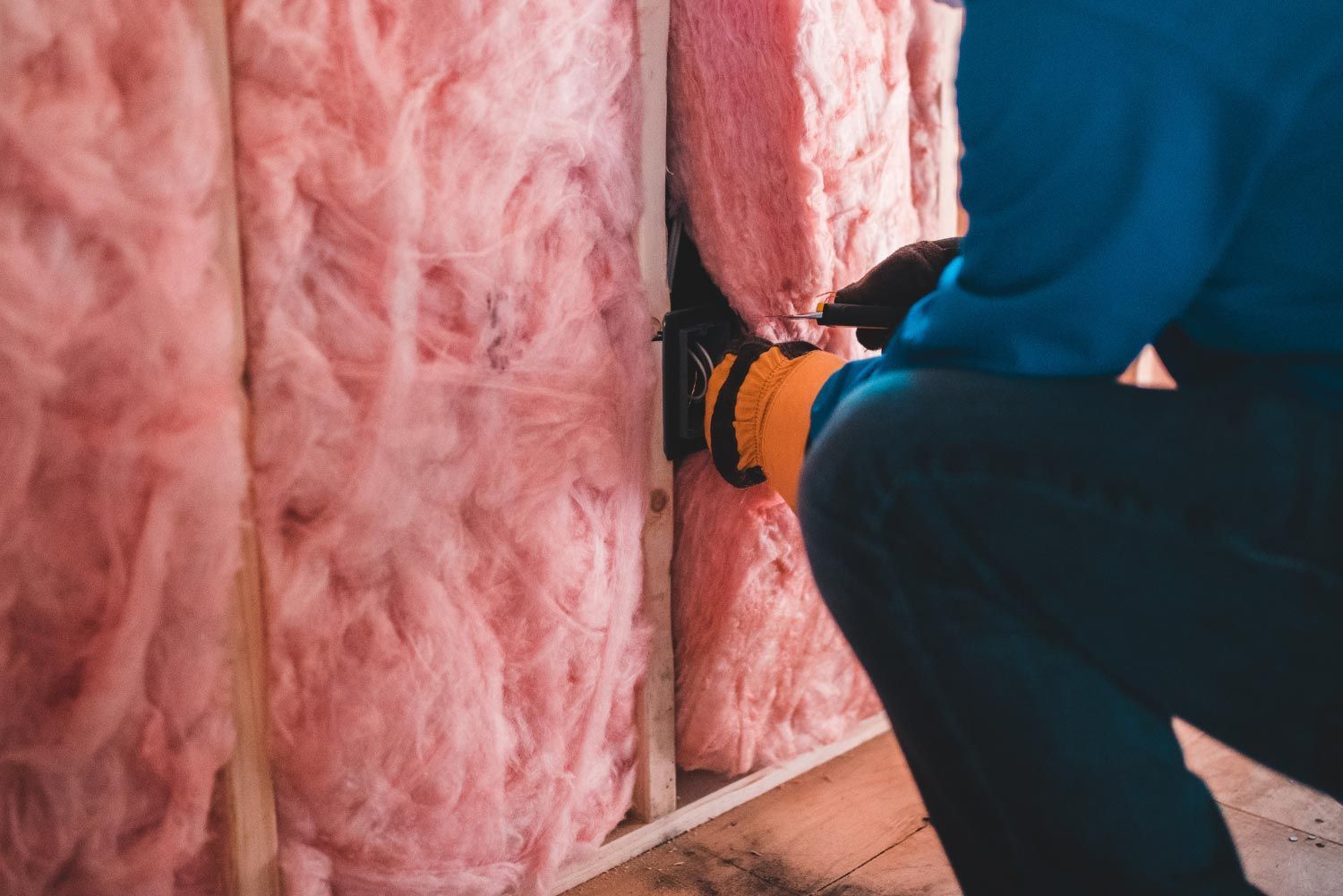
Traditional fiberglass batts struggle to fix these problems. However, the blown-in insulation in Denver older homes need excels in these spots. The loose-fill material flows into every hard-to-reach nook and cranny. It packs tightly around old plumbing pipes, electrical wiring, and irregular wooden framing. This creates a continuous blanket that stops drafts. It also keeps temperatures even across every room.
Blown-In Insulation vs. Batt Insulation for Historic Homes
When talking with local homeowners, I am often asked: “Should I just lay down standard fiberglass batts?”
Based on years of on-the-job experience across the Front Range, here is the honest truth:
- The Problem with Batts: Batt insulation comes in pre-cut rolls. These are made for modern, uniform framing. Older Denver homes do not have standard framing. You will often find studs with uneven spacing and odd ceiling angles. Cutting batts to fit these spaces leaves gaps. Gaps let cold air loop through, which ruins your energy efficiency.
- The Blown-In Solution: We use a high-powered machine to blow loose-fill material directly into your attic floor or walls. The material flows around joists and wires. It settles into a thick, seamless barrier with no joints or empty corners.
Manual batt insulation works well in brand-new construction. But high-performance blown-in insulation in Denver older homes need is the clear winner for retrofitting old, closed walls and attics.
Materials: Blown-In Fiberglass vs. Cellulose
Choosing blown-in insulation in Denver older homes can use is not a one-size-fits-all decision. In Colorado, you will primarily choose between loose-fill fiberglass and loose-fill cellulose.
Comparison Table: Fiberglass vs. Cellulose
| Feature | Blown-In Fiberglass | Blown-In Cellulose |
|---|---|---|
| R-Value per Inch | 2.2 - 2.7 | 3.2 - 3.8 |
| Composition | Spun glass fibers (recycled) | 80%+ recycled newspaper |
| Fire Resistance | Naturally fire-resistant | Treated with borate to resist flame |
| Pest Deterrence | Standard | Borate treatment deters pests |
| Settling Rate | Minimal settling over time | Can settle 5% to 10% over its life |
For open attic floors, I often suggest blown-in fiberglass. It resists moisture well and does not settle. For closed wall cavities, cellulose is highly effective. Its high density and R-value provide a strong thermal barrier in tight spaces.
Both materials qualify for local utility incentives, including Xcel Energy insulation rebates, which lowers your upfront cost.
What R-Value Do You Need?
Denver sits in Climate Zone 5. Our local building codes suggest an attic R-value of R-49 to R-60. Wall cavities should hit R-13 to R-20.
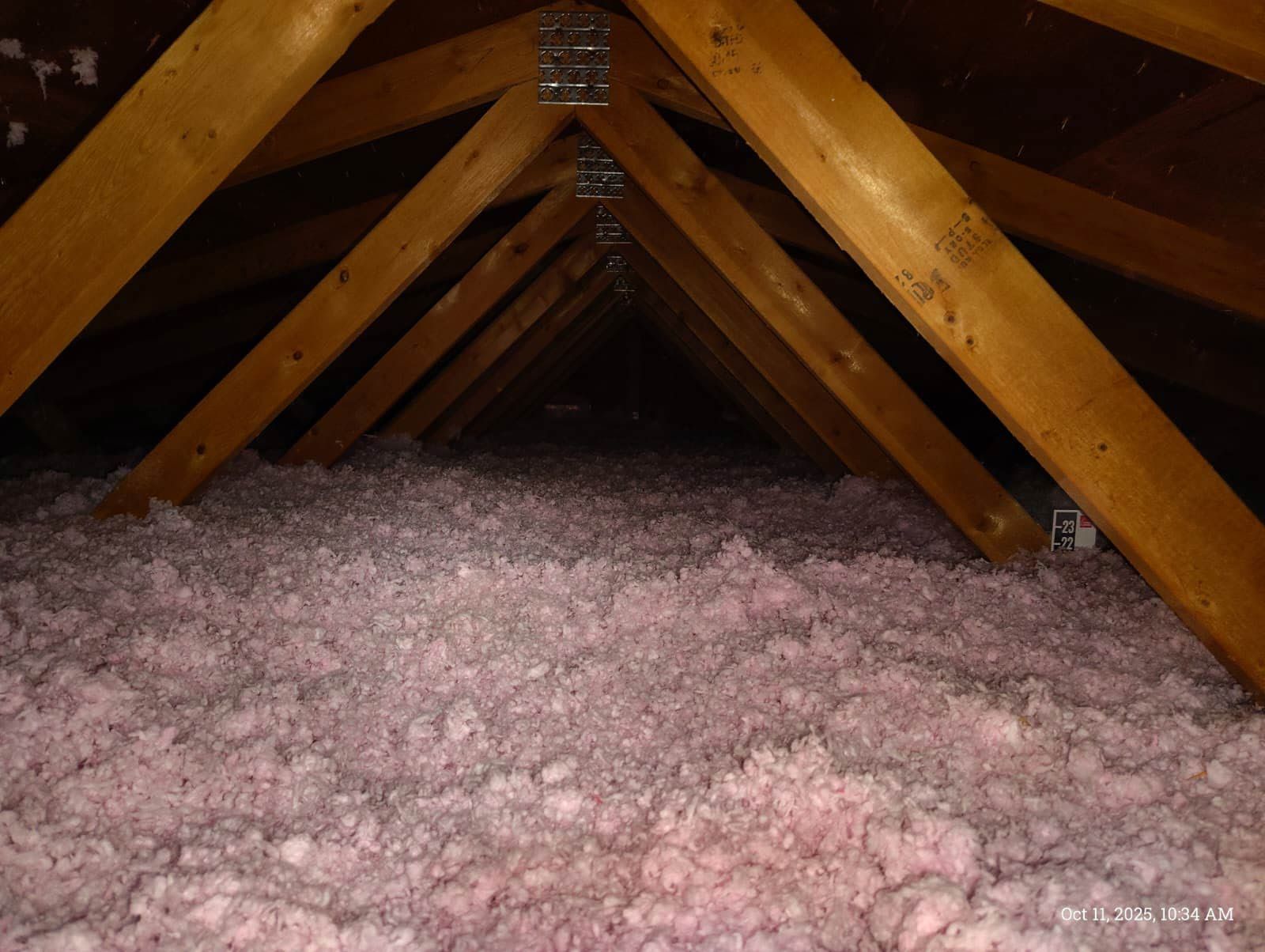
Opting for the blown-in insulation in Denver older homes require allows us to easily customize your R-value. For a standard wall, blown-in cellulose gives you R-13 to R-15. For attics, we add 10 to 14 inches of material to hit R-49. The higher your R-value, the better your home can handle Colorado's wild weather.
Because of these extreme drops:
- R-49 is now the absolute baseline minimum to keep your heat from escaping into the attic.
- Anything less than R-49 in your attic means you lose up to 35% of your home's heat. This drives utility bills sky-high during cold snaps.
- Upgrading to R-60 with the quality blown-in insulation in Denver older homes' need is highly recommended. It stabilizes your indoor temperature and protects your pipes.
Air Sealing: The Crucial First Step
Here is an installer rule I never break: never blow new insulation into an attic without air sealing first.
Older Denver homes leak massive amounts of conditioned air through invisible structural gaps around chimneys, pipes, light fixtures, and walls.
How Unsealed Gaps Bypass Your Insulation
- Heated Air Rises: Warm air naturally travels upward toward your ceiling.
- The Hidden Chimneys: Unsealed wire holes, pipe penetrations, and light fixtures act as escape hatches.
- The Insulation Bypass: Without a seal, warm air drafts right through the loose-fill fibers and escapes into the cold attic.
- The Air Seal Barrier: Sealing these gaps first locks the air in, allowing your new insulation to do its job perfectly.
Skipping air sealing is like putting on a thick wool sweater on a windy day without a jacket. The wind blows right through it. Before we blow any insulation, we seal every gap with expanding foam and caulk.
Combining air sealing with new blown-in insulation in Denver older homes require can cut your heating and cooling costs by 25% to 40%.
2026 Blown-in Insulation Cost Breakdown for Denver, CO
Project costs vary depending on square footage, accessibility, and whether old material extraction is required:
- Per Square Foot Rate: Installed blown-in insulation typically ranges from $1.15 to $3.10 per square foot.
- Typical Attic Project: For a standard 1,500-square-foot Denver attic, total project costs generally span between $1,500 and $4,650, depending on chosen materials (such as combined air sealing, removal, and target R-value depth).
- Local Labor & Permitting: Professional labor rates in the Denver market range from
$80 to $155 per hour. Standard insulation installations rarely require a municipal permit unless paired with major electrical or ventilation adjustments.
Frequently Asked Questions
Does blown-in insulation settle over time?
Yes, but it depends on the material. Blown-in fiberglass settles very little (usually under 1–2%). Cellulose settles about 5–10% over the first few years. We always blow a little extra material to ensure your target R-value is maintained.
Can I blow new insulation right over my old insulation?
Yes, if the old insulation is dry and clean. If we find moisture, mold, or rodent waste, we suggest a full insulation removal in Denver first. This keeps your home safe and healthy.
Is blown-in insulation safe around knob-and-tube wiring?
This is a major safety issue. Electrical codes prohibit burying active, live knob-and-tube wiring under insulation. The wires need open air to stay cool. Before we install blown-in insulation in Denver older homes contain, any active wires must be replaced or safely shut off by an electrician.
Will blown-in insulation help soundproof my home?
Yes. Because loose-fill material packs tightly, it dampens sound very well. Cellulose is great at absorbing noise. If you live near a busy street like Colfax or I-25, adding blown-in insulation in Denver older homes can use will make your living space much quieter.
Get a Free Home Comfort Evaluation
If your energy bills spike every season, or if you feel drafts in your house, your historic property is ready for an upgrade.
We specialize in preserving the character of historic homes while making them energy-efficient. Contact our local team today to schedule a professional attic inspection, and learn more about our high-performance blown-in insulation in Denver older homes love!