
Blown In Attic Insulation Denver — The Best Upgrade for Older Colorado Homes
Denver’s older homes have character, charm, and often very little insulation in the attic. Many were built decades before modern energy codes were established. If you live in a neighborhood like Capitol Hill, Washington Park, or the Highlands, you have probably noticed high heating bills, cold floors in winter, and rooms that never feel quite comfortable. Blown-in attic insulation is one of the smartest upgrades you can make for these homes. It fills gaps that batt insulation misses, raises the R-value to current standards, and can be installed in a single day with minimal disruption.
Denver falls in Climate Zone 5, which means attics need an R-value between R-49 and R-60 to meet building recommendations. Most older Denver attics were originally insulated to R-11 or R-19 at best. Upgrading to blown-in insulation can cut heating and cooling losses by a significant margin. The key is choosing the right material, preparing the attic properly, and working with a local crew that understands the quirks of Colorado homes.

Why Blown-In Is the Smartest Attic Upgrade for Most Denver Homes
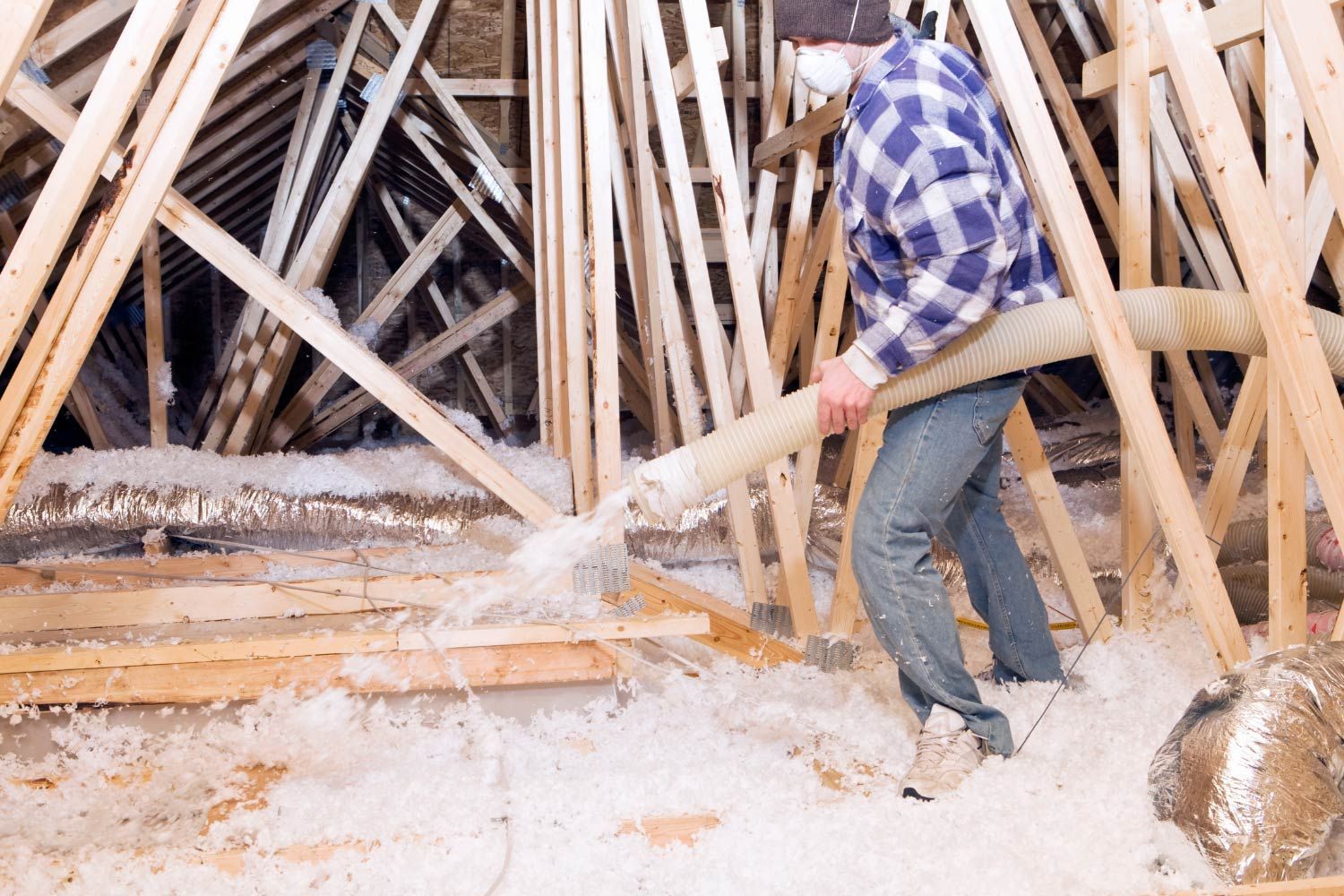
Blown-in insulation is loose-fill material that is pneumatically applied into attic joist bays. It flows around obstacles like wiring, ductwork, and plumbing, creating a continuous thermal blanket. For older Denver homes that often have irregular joist spacing and lots of penetrations, blown-in is much more effective than rolled batt insulation. Batt insulation leaves gaps and compresses over time, reducing its effectiveness. Blown-in also settles less than older loose-fill products, especially when installed to the correct density.
Another advantage is that blown-in can be added on top of existing insulation in most cases. If the current insulation is not damaged, water-stained, or infested, a crew can blow new material right over it. This speeds up the upgrade and reduces waste. For homes that have old, degraded insulation, removal is recommended first. PIKA Insulation offers both removal and new installation as part of a comprehensive attic upgrade.
Blown-In Fiberglass vs Blown-In Cellulose — Which One for Your Attic
Two main types of blown-in insulation are used in Denver attics: fiberglass and cellulose. Fiberglass is made from spun glass fibers and is naturally non-combustible. It does not absorb moisture easily, and it resists mold and pests. Cellulose is made from recycled paper products, treated with borates for fire resistance, and has a higher recycled content. Both materials can achieve the R-values needed for Denver’s climate zone.
Cellulose tends to have a slightly higher R-value per inch than fiberglass, meaning a thinner layer can reach R-49. It also does a better job of air-sealing because it is denser and fills small gaps more completely. Fiberglass, on the other hand, is lighter and can be easier to install in tight spaces. Many Denver contractors, including PIKA, install both types and can recommend the best match for your specific attic and budget.
Denver homeowners looking for an eco-friendly option often choose cellulose. NetZero Insulation installs both fiberglass and cellulose. PIKA Insulation also offers both materials and will explain the pros and cons during a free evaluation. They are also happy to discuss how these options compare to
spray foam pricing.
Attic Insulation – Your First Line of Defense Against Energy Loss
Your attic is responsible for the majority of your home's heat loss. We install high-performance attic insulation that:
Improves your R-value to meet or exceed Denver climate recommendations
- Prevents warm air from escaping during winter months
- Keeps your home cooler in the summer
- Lowers heating and cooling bills significantly
A properly insulated attic can cut your energy use by up to 20% annually—and we make sure it’s done right the first time.
Signs Your Denver Attic Needs Blown-In Insulation
Your upstairs rooms are never the same temperature as the rest of the house. Heat rises, and if your attic floor is poorly insulated, warm air escapes all winter long. The furnace runs harder, the upstairs stays cold, and your gas bill climbs.
You can see the tops of your ceiling joists. If the insulation in your attic is level with or below the joists, you are probably sitting at R-11 or less. Denver code recommends R-49. That gap is costing you money every month.
Ice dams form on your roof after a snowstorm. That ridge of ice along the eaves means warm attic air is melting snow on the roof deck. The water runs down and refreezes at the cold eaves. Proper attic insulation and air sealing stops that cycle.
Your attic insulation looks dusty, flat, or compressed. Fiberglass batts lose loft over time. What was R-19 in 1975 might be performing at R-9 today. If it looks tired, it is tired.
The PIKA Process —
What Happens When We Blow In Your Attic Insulation
Step one is the free evaluation. We crawl into your attic, measure your current R-value, find every air leak, and check for moisture or pest damage. You get a written quote with a fixed price — not a range.
On install day, we show up in a branded truck, lay down floor protection from the front door to the attic hatch, and get to work. The first thing we do is air seal the attic floor. Recessed lights, bath fan housings, plumbing vents, wiring penetrations, and the gap around the attic hatch — every opening gets foamed or caulked. Insulation without air sealing is half a job, and we do not sell half a job.
Then we blow the insulation. One crew member feeds the machine while the other works the hose in the attic, building an even blanket across the entire floor to the target depth. We mark the depth with rulers stapled to the joists so you can see exactly what you are getting.
Most blown-in attic insulation jobs in Denver finish in one day. We clean up, walk you through what we did, and leave your home the way we found it — minus the drafts.
If your old attic insulation is moldy, compressed, or pest-damaged,
we remove it first. Blowing new material over bad insulation traps the problem underneath. We do not skip that step.
What Does Blown-In Attic Insulation Cost in Denver
For a typical 1,000 to 1,200-square-foot Denver attic, here are realistic ranges.
- Blown-in fiberglass with air sealing, including removal of old insulation: $2,500 to $4,500. This is our most common job and the price most Denver homeowners can expect.
- Blown-in cellulose with air sealing and removal: $3,000 to $5,000. The slightly higher cost reflects the material price difference.
- Attic air sealing only, if your insulation is otherwise in good shape: $800 to $1,500. Not every attic needs new insulation. Some just need the leaks sealed.
Every quote is fixed, in writing, and includes the full scope of work. No surprise line items, no upselling at the door.
Why Denver Homeowners Choose PIKA for
Blown-In Attic Insulation
We are local. Our crew lives in Denver. We have been inside hundreds of attics in Wash Park bungalows, Highlands Victorians, Park Hill ranches, and Baker two-stories. We know where the air leaks hide in every era of Denver housing stock. That experience means we diagnose problems faster and solve them right the first time.
We do not subcontract. The crew that knocks on your door works for PIKA. They are trained, insured, and particular about cleanup. We mask floors, contain the mess, and leave your home clean.
We handle the whole job — removal, air sealing, and insulation — in one day with one crew. You are not coordinating multiple contractors or waiting on a separate air sealing crew to show up.
We are straightforward. No high-pressure sales, no scare tactics, no upselling insulation you do not need. Just an honest evaluation and a fixed written quote.
Frequently Asked Questions
How long does blown-in attic insulation last?
Fiberglass and cellulose both hold their R-value for decades in a dry Denver attic. Neither settles significantly when installed to the proper density. You should get 30 to 50 years out of a properly installed blown-in attic before needing to top it off or replace it.
Do I need to remove old insulation first?
Not always. If the existing insulation is dry, clean, and pest-free, we can blow new material right over it to build up to R-49. If it is moldy, compressed, or full of rodent droppings, we remove it first. We tell you which applies during the evaluation.
Will blown-in insulation help with summer cooling?
Yes. The same thermal barrier that keeps heat in during winter keeps heat out during summer. A properly insulated Denver attic can make a noticeable difference in your upstairs comfort during July and August.
Is there a rebate available?
Xcel Energy offers rebates for qualifying insulation upgrades. We can help you check eligibility during the evaluation.
Get a Free Blown-In Attic Insulation Evaluation
in Denver
You do not need to know your R-value or pick a material before you call. That is our job. We inspect your attic, explain what we find in plain English, and give you a fixed written quote for the right solution.
Call
(720) 443-1014 or
fill out our contact form to schedule your free evaluation. We serve Denver and every surrounding suburb — Arvada, Aurora, Lakewood, Littleton, Centennial, Highlands Ranch, Parker, and beyond.