Knee Wall Insulation Denver: How to Keep Bonus Rooms Comfortable Year-Round

This is a subtitle for your new post
If you own a 1.5-story or Cape Cod home in a Denver neighborhood like Washington Park, Highlands, or Park Hill, you probably know the frustration of a bonus room that never holds temperature. In summer it bakes; in winter it sends a chill through the whole floor. The culprit is almost always the knee walls, those short vertical walls that separate conditioned living space from the attic above your first floor. I have inspected countless homes in Denver’s older housing stock, and improper knee wall insulation is one of the most common reasons for energy loss and discomfort. Let me walk you through what knee walls are, why they leak heat, and how to insulate them properly for year-round comfort.
What Are Knee Walls and Why Do They Leak Heat?
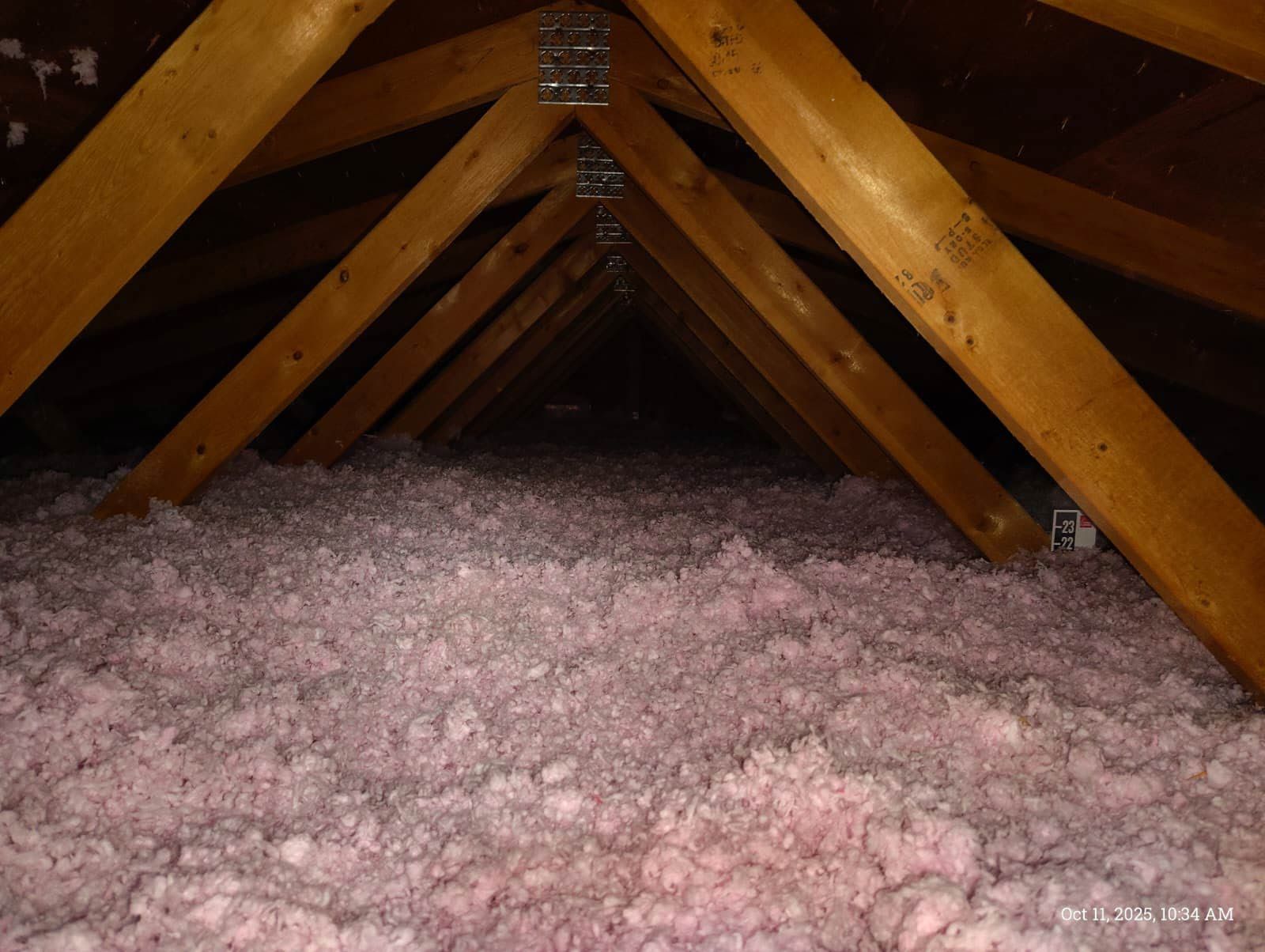
Knee walls are the vertical walls found in homes with ceilings of different heights typically where a sloped roof meets a flat ceiling. In a Cape Cod or 1.5-story house, the knee wall sits between a conditioned room (like a bedroom or bonus room) and the unconditioned attic space behind it. Because that attic space is open to outside temperatures, the knee wall becomes a major thermal weak point.
Several problems plague conventional knee wall insulation. Fiberglass batts often fall out of place over time, leaving gaps that let conditioned air escape. Even when batts stay in position, air gaps between the insulation and the drywall reduce effectiveness. Air movement through fiberglass batts also reduces their R-value through convection. And the wood studs in knee walls conduct heat directly to the
attic, a phenomenon called thermal bridging. All of these issues combine to make your bonus room either too hot or too cold, while your HVAC system works overtime.
Why Denver Homes Need Proper Knee Wall Insulation
Denver’s climate of hot summers, cold winters, and low humidity puts extra stress on homes built before energy codes were tightened. Older houses in Wash Park, Highlands, and Park Hill often have minimal or failing knee wall insulation. More than 70% of energy lost in a home is due to upward airflow through the attic, according to DeVere Insulation Home Performance. While that figure covers the whole attic, knee walls are a primary pathway for that upward flow. Properly insulating them not only improves comfort but can also lower your monthly energy bills.
When I inspect a Denver home with a struggling bonus room, the first place I look is behind those knee wall access panels. In most cases I find dusty, sagging batts that have pulled away from the framing. The warm air from the room below is literally pouring into the attic. Fixing that leak is the single most effective step you can take.
Two Effective Methods for Knee Wall Insulation
Through years of experience in Denver, I have found two methods that work equally well for knee walls, with only a few exceptions. Both involve filling the cavity completely and adding an air-tight blanket or encapsulating with closed-cell spray foam. Here is how each method works.
Fiberglass Blanket Upgrade
Many Denver homes already have R13 fiberglass batts stuffed into their knee wall cavities. The problem is that those batts are not air-sealed. The fix is to add an R19 fiberglass blanket with a white trilaminate air-tight facing over the existing insulation. This overlay boosts the total R-value to near R30 and creates a continuous air barrier. The rigid facing prevents air movement through the insulation, stopping convection and blocking drafts. This method has a lower material cost compared to spray foam and is a cost-effective upgrade for homes that already have cavity insulation in place.
If you choose this route, make sure the facing is sealed at all edges with tape or caulk. Any gap will let air bypass the insulation. Also watch for gaps around electrical boxes and plumbing penetrations. A professional installer can ensure the blanket fits tightly and stays in place. Traditional batt insulation alone works for flat walls, but for knee walls the air-tight facing is essential.
Closed-Cell Spray Foam Encapsulation
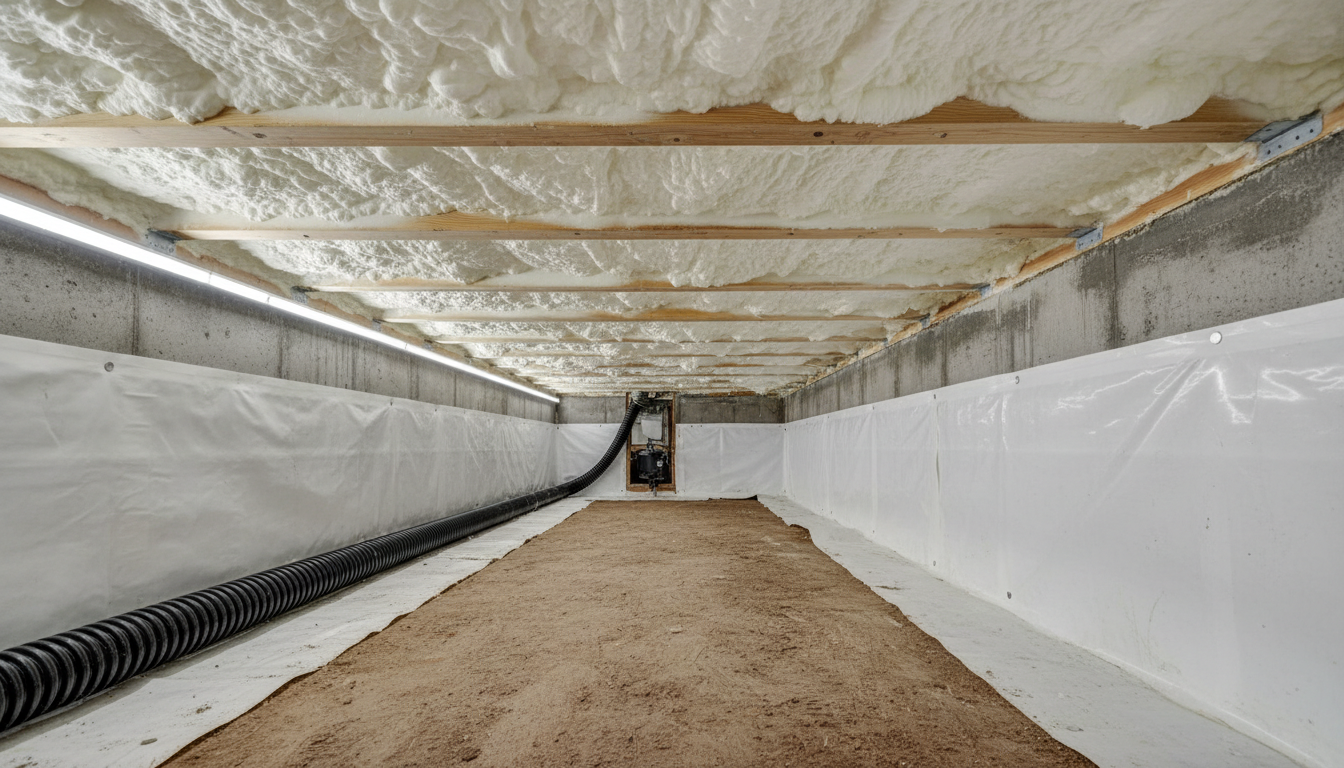
The second method is to remove any existing insulation and then fill the knee wall cavity entirely with closed-cell spray foam. Closed-cell spray foam provides R6 per inch and acts as both an air barrier and a thermal break. Because it expands to fill all gaps, it eliminates air leakage at every crack and seam. It also coats the wood studs, reducing thermal bridging since wood no longer has direct exposure to the attic temperature.
Spray foam has a higher material cost compared to traditional fiberglass, but it delivers excellent energy savings over time. For Denver knee walls, 2.5 to 3 inches of closed-cell spray foam is typical. One Denver homeowner on Reddit reported an expected price of around $7 per square foot for 2.5 inches installed. Another Facebook post described a contractor proposal to install R18 (3 inches) of closed-cell spray foam on about 68 square feet of knee walls. Always get multiple quotes from local contractors because pricing varies by access, cavity depth, and labor.
Which Method Is Right for Your Denver Home?
Both the fiberglass blanket upgrade and closed-cell spray foam work equally well for knee walls, with only a few exceptions. If your knee wall cavities are already filled with R13 batts that are in decent shape, adding the R19 air-tight facing is a smart, budget-friendly choice. If the existing insulation is damaged, missing, or you have hard-to-reach gaps, spray foam encapsulation is usually the better option. Spray foam also excels when you need a vapor barrier in a humid part of the house, though Denver’s dry climate makes that less of a concern.
Consider your long-term plans. Spray foam has higher upfront cost but can add to your home’s resale value because of its durability and energy performance. The fiberglass blanket method is less expensive initially but requires careful installation to maintain its air seal. Both methods achieve a total R-value near R30 when done correctly. I recommend consulting with Denver home insulation contractors who can inspect your specific knee walls and give you a written proposal.
Why Professional Installation Matters
Knee wall insulation is not a straightforward DIY job. Access is often tight, the cavities are irregular, and safety concerns like electrical wiring and sharp fasteners make it risky. DeVere Insulation Home Performance advises against DIY knee wall insulation due to difficult access and safety concerns. I have seen too many Denver homeowners attempt the job themselves only to end up with gaps, compressed batt, or insulation that falls down within a year.
A professional crew has the training and equipment to air-seal every seam, fasten the facing properly, and avoid leaving voids. They also know the local building practices for older homes in neighborhoods like Wash Park and Park Hill, where framing can be non-standard. If you are ready to solve your bonus room temperature problems, reach out to the experienced team at PIKA Insulation. We serve the entire Denver metro area and specialize in knee wall insulation that lasts.
Frequently Asked Questions
Why do knee walls lose heat so quickly?
Knee walls separate conditioned living space from an unconditioned attic. Heat transfers through the wall by conduction through studs and by air movement through gaps in the insulation. Even fiberglass batts that are intact lose R-value when air flows through them, a process called convection. Sealing the wall completely is the only way to stop that loss.
Can I install knee wall insulation myself?
DIY knee wall insulation is not recommended. Access is cramped, cavities are irregular, and you may encounter electrical cables or plumbing. It is easy to leave gaps or compress the insulation, both of which ruin performance. Hiring a professional ensures the insulation is air-tight and properly supported for the long term.
How much does knee wall insulation cost in Denver?
Costs vary by cavity size, access difficulty, and material choice. Anecdotally, one Denver homeowner was quoted around $7 per square foot for 2.5 inches of closed-cell spray foam. Another Facebook post described a proposal for 68 square feet of 3-inch closed-cell spray foam. For an accurate estimate, request bids from multiple Denver insulation contractors.
What R-value should knee walls have?
There is no single code-mandated R-value for knee walls that applies to all Denver homes. A common upgrade is to bring the total R-value to near R30, which can be achieved by adding an R19 air-tight fiberglass blanket over existing R13 batts, or by encapsulating the cavity with closed-cell spray foam. Consult a local contractor to determine the best R-value for your specific house.
Is spray foam worth the extra cost for knee walls?
Spray foam costs more than fiberglass upfront, but it provides an air barrier and thermal break that fiberglass alone cannot match. For homes with difficult cavity shapes or existing moisture issues, spray foam is often the better choice. In Denver’s dry climate, both sprayed foam and sealed fiberglass blankets work well, so your decision should be based on your budget and the condition of your current insulation.
If you live in a Denver 1.5-story or Cape Cod home and your bonus room never feels comfortable, inspect your knee walls. The fix is straightforward, but it requires careful air sealing and the right insulation approach. Whether you choose a fiberglass blanket upgrade or closed-cell spray foam, working with experienced Denver home insulation contractors will give you the year-round comfort you deserve. At PIKA Insulation, we have helped homeowners in Wash Park, Highlands, and Park Hill transform their bonus rooms into livable spaces. Call us today for a free estimate.