Attic Insulation in Denver: The Upgrade That Pays for Itself in One Winter

As a seasoned insulation professional operating right here in the Front Range, I have seen firsthand how brutal our winters can be on a home's thermal envelope. If you are a homeowner asking yourself why your heating bills are skyrocketing every January, I can tell you the answer is almost always above your head.
Upgrading your attic insulation in Denver is not just another home maintenance task; it is the single most cost-effective upgrade that literally pays for itself in one winter. High-quality Denver attic insulation acts as a permanent barrier against the harsh Colorado climate, preventing the radical temperature swings of our high-altitude environment from infiltrating your living space.
In this comprehensive guide, I am going to walk you through exactly why investing in premium Denver attic insulation is crucial, how to spot failing materials, and the best products for our unique climate. By the end, you'll see why attic insulation Denver CO is the key to year-round comfort and structural longevity.
1. Why Attic Insulation Matters in Colorado Winters
Living in Colorado means dealing with wild, unpredictable temperature swings. One day it is sixty degrees and sunny, and the next, a fierce polar vortex drops the temperature to single digits. This extreme weather puts massive stress on your HVAC system.
When I talk to local homeowners about upgrading their attic insulation Denver style, I always start with the basic physics of the "Stack Effect." This phenomenon describes how warm air rises and creates pressure against your ceiling plane.
Understanding the Stack Effect
Warm air naturally rises. If your attic is under-insulated, the expensive heat your furnace generates escapes right through your ceiling into the attic space. This creates a vacuum in the lower levels of your home, sucking in cold air from around windows and doors.
Without proper attic insulation in Denver CO, this forces your furnace to run continuously, burning through your hard-earned money. It also leads to one of the most destructive winter phenomena: ice dams.
Preventing Destructive Ice Dams
Ice dams occur when escaped heat leaks into the attic, melting the snow on your roof. This water trickles down to the eaves (the coldest part of the roof) and freezes again. This creates a dam that causes water to back up under your shingles and into your soffits.
Proper
attic insulation keeps your home's heat trapped inside your living space where it belongs. This keeps the roof deck cold, allowing snow to melt naturally from the sun rather than from interior heat loss, thereby preserving your home's structural integrity.
2. Signs Your Attic Insulation is Failing
How do you know if you need to call a Denver attic insulation expert? In my years of inspecting homes across the metro area, I have identified several foolproof indicators that your current thermal barrier is compromised.
Spiking Winter Energy Bills: If there is a sudden, unexplained spike in your winter heating costs, your attic insulation is likely failing to retain heat or has compressed over time.
Inconsistent Indoor Temperatures: Do you have rooms that are freezing in the winter but roasting in the summer? That is a classic symptom of poor attic insulation in Denver. When insulation is insufficient, your upstairs ceiling can reach temperatures of 120°F in the summer, effectively acting as a radiator.
Rapid Snow Melt on Your Roof: Take a look at your roof after a fresh snowfall. If your roof has large bare patches or "phantom" spots where the rafters show through while your neighbors' roofs are still covered, you are actively losing significant heat.
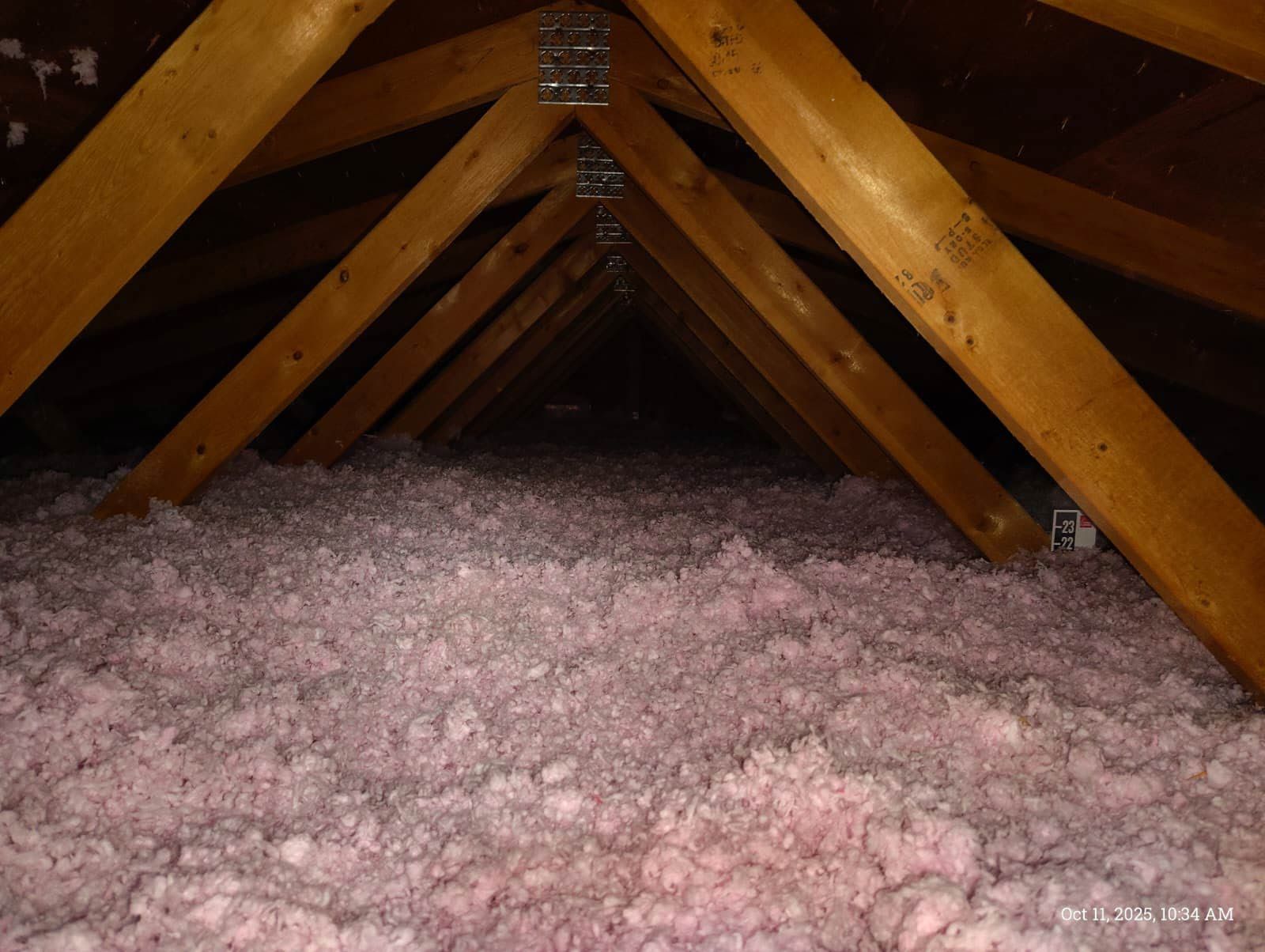
Visible Ceiling Joists: Simply perform a visual check. If you can see the wooden tops of your ceiling joists, you absolutely do not have enough insulation. The Department of Energy recommends R-49 to R-60 for our specific climate zone, which requires about 16 to 20 inches of depth.
3. Best Attic Insulation Types for Denver Homes
When it comes to choosing the right material, not all insulation is created equal for our high-altitude climate. We must account for high UV exposure, dry air, and radical thermal shifts. Let us break down the best options for superior Denver attic insulation.
Blown-In Fiberglass (L77 or Similar)
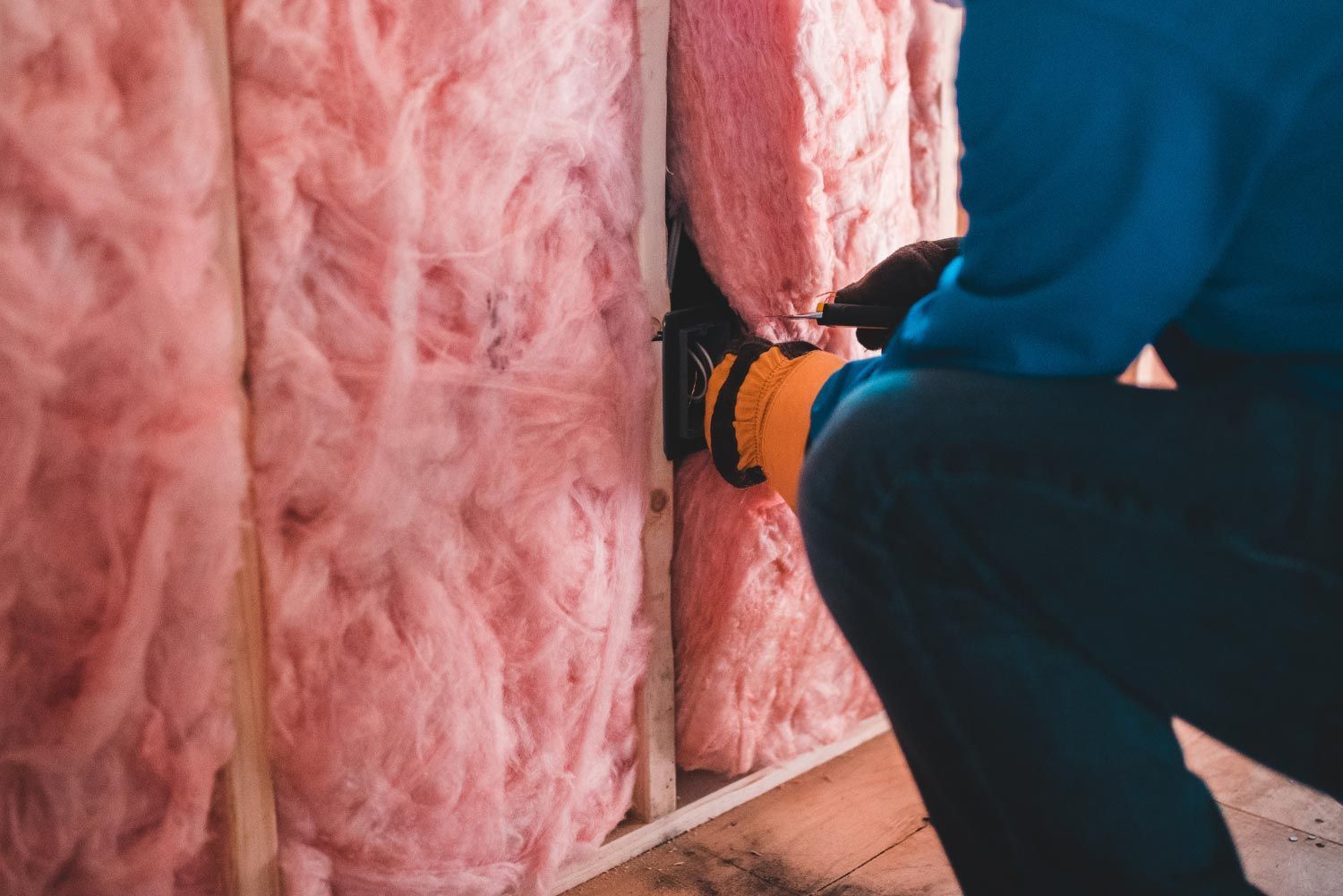
This is an incredibly popular choice for attic insulation Denver homes. Unlike old-fashioned rolls (batts), blown-in fiberglass fills every tiny gap around wires, pipes, and joists. It provides excellent thermal resistance and is naturally moisture-resistant and non-combustible.
Blown-In Cellulose (Recycled Content)
Made from recycled newspaper treated with borate, cellulose is fantastic for retrofitting older homes. It is structurally denser than fiberglass, offering better resistance to airflow and excellent pest-deterrent properties. It’s the "green" choice for attic insulation Denver CO.
The "Flash and Batt" Hybrid
For peak performance, we often recommend a hybrid approach: a thin layer of closed-cell spray foam to provide a perfect air seal, followed by a thick blanket of blown-in fiberglass. This gives you the air-sealing power of foam with the cost-effective R-value of blown material.
4. Average Cost and ROI of Attic Insulation in Denver
While actual prices vary based on square footage and the complexity of your attic (vaulted ceilings, knee walls, etc.), I believe in transparency. For a typical 1,000 to 1,500 sq. ft. attic, bringing levels to R-60 usually ranges between $1,500 and $3,500.
Denver Attic Insulation ROI Data
| Material Type | Estimated Cost | ROI Timeline | Energy Savings |
|---|---|---|---|
| Blown-in Fiberglass | $1.00 - $1.60/sf | 1 - 3 Winters | Up to 20% |
| Blown-in Cellulose | $1.30 - $1.80/sf | 1 - 3 Winters | Up to 25% |
| Hybrid (Foam/Fiber) | $2.50 - $4.00/sf | 4 - 6 Winters | Up to 35% |
Pro Tip: Many Denver homeowners qualify for Xcel Energy Rebates. Depending on the current program, you can receive up to 75% of the project cost (up to a specific cap) back as a rebate for reaching R-49 or higher.
5. When Attic Insulation Removal is Necessary
Sometimes, we cannot just add fresh material over the old. Professional insulation removal is a critical, non-negotiable first step in certain hazardous situations.
Pest Infestations: If you have had mice, squirrels, or bats, their droppings carry dangerous diseases like Hantavirus. Insulating over pest-contaminated material is a severe health hazard as your HVAC system can pull these particles into your living space.
Moisture and Mold: If your existing material has been compromised by roof leaks, it will harbor mold. Wet insulation loses all its R-value and becomes a breeding ground for spores. A full, sanitized extraction is required before installing new attic insulation in Denver.
Asbestos Hazards: In older Denver homes (pre-1980), we often find Vermiculite insulation. This material may contain asbestos. If we encounter Vermiculite, we pause and require professional testing and abatement before proceeding.
FAQ About Denver Attic Insulation
What is the recommended R-Value for Denver attics?
The US Department of Energy and local Denver building codes recommend an R-value of R-49 to R-60 for our region. This usually requires 16 to 20 inches of high-quality blown-in material to reach maximum efficiency.
How long does installation take?
For most standard-sized Denver homes, a full attic insulation Denver blow-in can be completed in less than a single day (typically 4-6 hours). If removal is required, the project usually spans two days.
Does air sealing matter as much as insulation?
Yes! Think of it like a wool sweater. Insulation is the wool, but air sealing is the windbreaker. Without sealing the gaps around plumbing and light fixtures, your attic insulation Denver CO will lose much of its effectiveness as warm air simply blows through it.
Will it help in the summer too?
Absolutely. Attic insulation in Denver is a year-round shield. It prevents the scorching summer sun from radiating heat into your home, reducing your AC load and keeping your upstairs bedrooms significantly cooler.
Conclusion
Do not spend another freezing Colorado winter shivering in your own home while paying exorbitant energy bills. Upgrading your attic insulation Denver CO is unequivocally the smartest, highest-yielding investment you can make for your property's comfort and value.
If you are ready to take full control of your home's energy efficiency and lock in savings for the next 20 years, contact our expert Denver attic insulation team today to schedule your comprehensive, no-obligation assessment. Let us help you keep the warmth exactly where it belongs.