
Attic Insulation Company Denver
If you are a homeowner in Denver, you already know that this city’s climate can be hard on an older house. Freeze-thaw cycles, dry air, and heavy snow push your heating and cooling system to work overtime. One of the smartest fixes is upgrading your attic insulation. As a local insulation crew that works in neighborhoods like Capitol Hill, Washington Park, and the Highlands, we see attics every day that were built to a lower standard than today’s code requires. This article walks through what you need to know about attic insulation in Denver, the signs of a problem, your options, realistic costs, and how rebates can help.

Signs That Your Attic Is Under-Insulated
Before you call an attic insulation company, it helps to know what to look for. Many Denver homes, especially those built before 2000, have attic insulation that falls well below current recommendations. Common signs include ice dams forming along the roof edge in winter, rooms that feel drafty even with the heat on, and noticeably higher energy bills compared to neighbors with similar homes. You may also notice that the second floor is hotter in summer and colder in winter than the main floor. If your insulation is old, matted, or uneven, it is likely time for an
insulation removal and upgrade.
Denver’s Climate Zone and R-Value Requirements
Denver, Colorado, sits in Climate Zone 5. That means local building code requires attic insulation to reach R-49 to R-60 and wall insulation to reach R-13 to R-20. Many older homes in Denver were built with attic insulation at R-19 or R-30, which leaves a lot of room for improvement. Bringing your attic up to the recommended R-value can make a significant difference in comfort and monthly energy costs. A professional evaluation will measure your current insulation depth and density to determine exactly how much more material is needed.
Attic Insulation – Your First Line of Defense Against Energy Loss
Your attic is responsible for the majority of your home's heat loss. We install high-performance attic insulation that:
Improves your R-value to meet or exceed Denver climate recommendations
- Prevents warm air from escaping during winter months
- Keeps your home cooler in the summer
- Lowers heating and cooling bills significantly
A properly insulated attic can cut your energy use by up to 20% annually—and we make sure it’s done right the first time.
Types of Attic Insulation Available in Denver
Denver insulation contractors typically offer four main types of attic insulation. Each has its own strengths, and the right choice depends on your home’s structure, your budget, and your performance goals.
Blown-In Fiberglass Insulation
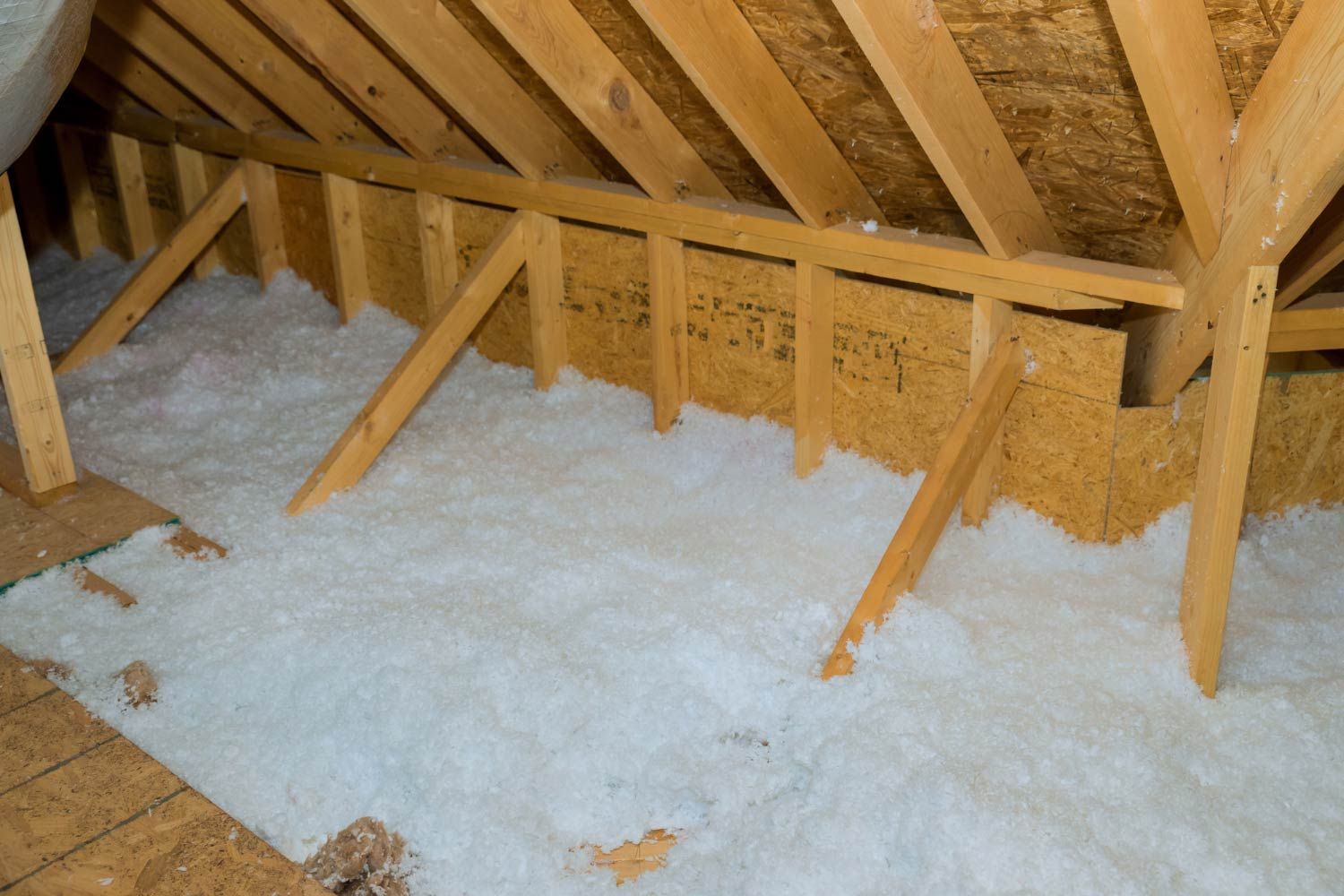
Blown-in fiberglass is one of the most common choices for attic upgrades in Denver. It is cost-effective, fire-resistant, and can be installed quickly over existing insulation. The loose-fill material is blown into the attic space using a machine, creating a uniform layer that fills gaps around joists and obstructions. For many homeowners, this is the best balance of performance and price.
Blown-In Cellulose Insulation
Blown-in cellulose insulation is made from recycled paper products, typically newsprint, treated with fire retardants. It is an eco-friendly option that offers good thermal performance and sound deadening. Like blown-in fiberglass, it can be installed over existing insulation. Cellulose is denser than fiberglass, which helps reduce air movement. Some homeowners prefer it for its sustainability and slightly higher R-value per inch.
Spray Foam Insulation
Spray foam insulation, available in open-cell and closed-cell varieties, has a higher R-value per inch than fiberglass or cellulose. It also acts as an air seal and moisture barrier, which can be especially beneficial in Denver’s dry climate. Spray foam is typically more expensive than blown-in options, but for attics with complex shapes or hard-to-reach areas, it can provide the most thorough coverage. Some Denver companies offer spray foam as part of their attic insulation services.
Batt Insulation
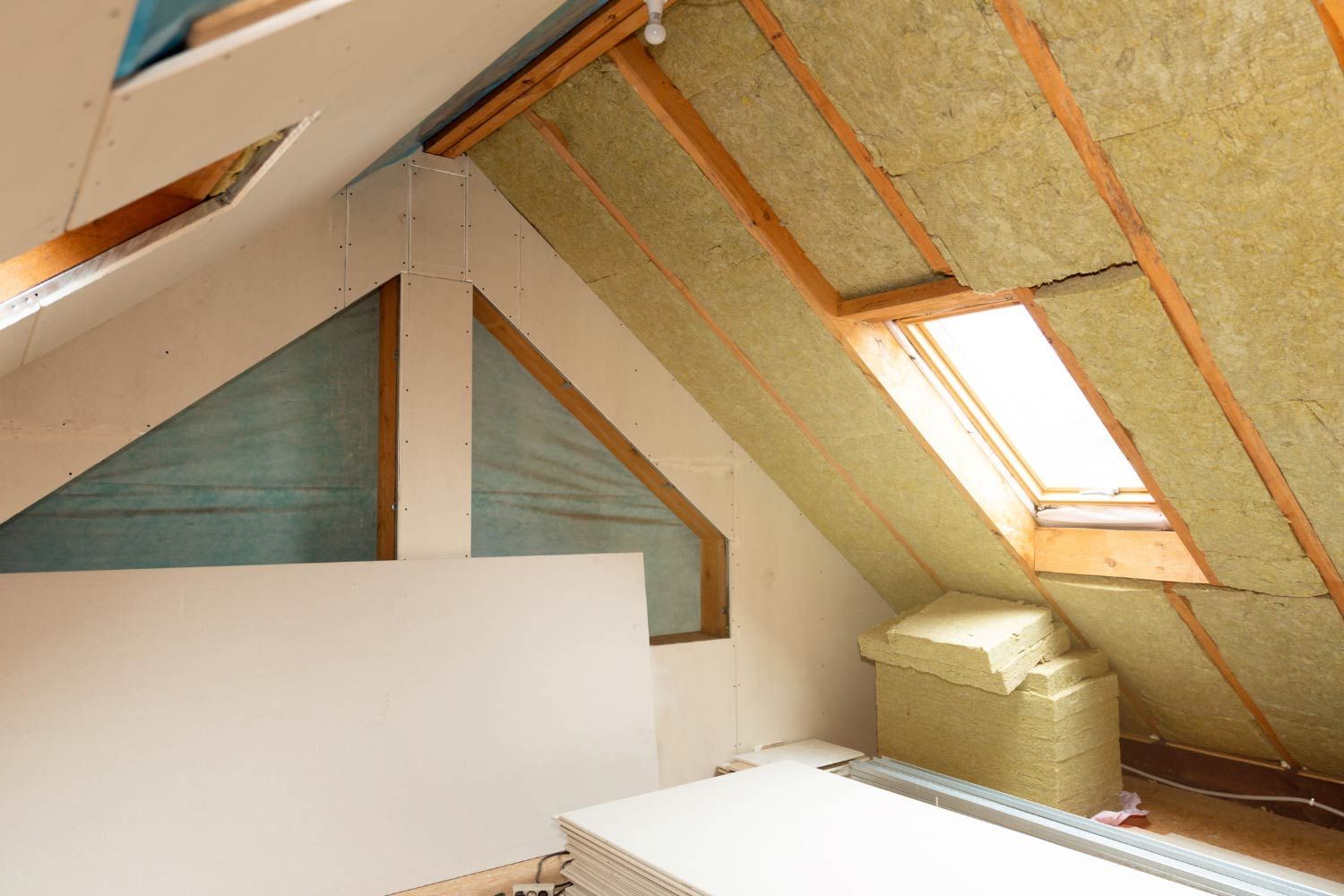
Batt insulation (fiberglass batts) are the traditional roll-out insulation. They are easy to install in new construction or open attics with standard joist spacing. However, batt insulation is difficult to fit tightly around obstructions like wiring, ducts, and pipes, leaving gaps that reduce overall performance. For attic retrofits, blown-in insulation is usually preferred because it fills these gaps more effectively. Batts are still a viable option for DIY projects or smaller areas.
Realistic Pricing for Attic Insulation in Denver
Cost is always a big question when homeowners start shopping for an attic insulation company. For a typical 2,000 square foot Denver home, attic insulation usually costs between $1,500 and $4,000. The exact price depends on several factors: the current R-value of your existing insulation, the type of material you choose, the accessibility of your attic, and whether any preparation work like insulation removal or air sealing is needed. Most Denver insulation contractors offer free estimates, so you can get a firm quote before any work begins. Keep in mind that investing in higher R-value or a more expensive material like spray foam can increase the upfront cost but may deliver greater long-term energy savings.
The Importance of Air Sealing Before Adding Insulation
Simply adding more insulation without addressing air leaks will not give you the full benefit. Small gaps around plumbing vents, chimneys, recessed lights, and attic hatches allow conditioned air to escape and outside air to enter. A professional attic insulation company will often include air sealing as part of the upgrade. By sealing these bypasses first, the new insulation can work as intended. This step also helps improve indoor air quality and reduces the risk of moisture problems in the attic. Many Denver contractors make air sealing a standard part of their attic service.
Xcel Energy Rebates for Attic Insulation in Denver
One of the best ways to offset the cost of attic insulation is through the Xcel Energy rebate. As of current program guidelines, homeowners in Denver can qualify for a rebate of up to $2,250 when they upgrade their attic insulation through a qualified contractor. To receive the rebate, the project must include pre- and post-blower door testing, a carbon monoxide safety test (CAZ test), and a minimum 20% reduction in overall home air leakage. Not every insulation contractor in Denver is set up to handle these requirements, so it pays to ask. Always verify with your chosen contractor whether they can meet the testing and paperwork requirements to help you claim the rebate.
Choosing the Right Attic Insulation Company in Denver
Denver has several experienced insulation contractors, each with its own focus. When comparing companies, look for those that offer free estimates, are BPI-certified, and have experience with Denver’s older housing stock. Asking about subcontractor use, crew experience, and whether they handle all the rebate paperwork can help you make a confident choice.
Frequently Asked Questions
How much does attic insulation cost in Denver?
For a typical 2,000 square foot Denver home, attic insulation costs range from $1,500 to $4,000. The final price depends on your current insulation level, the material you choose, attic access, and any additional services like air sealing or insulation removal. Most Denver contractors provide free estimates to give you an exact number.
What R-value do I need for my attic in Denver?
Denver is in Climate Zone 5, which requires attic insulation to be between R-49 and R-60. Many older homes have less than half that amount. A professional evaluation will measure your current insulation and tell you how much more you need to meet code and optimize energy savings.
Does attic insulation qualify for Xcel Energy rebates in Denver?
Yes, homeowners in Denver can qualify for an Xcel Energy rebate of up to $2,250 for attic insulation upgrades. The rebate requires pre- and post-blower door testing, a CAZ safety test, and a 20% reduction in air leakage. Not all contractors offer this service, so ask your insulation company if they handle the rebate process.
Can I add new insulation over existing attic insulation?
In most cases, yes. If your existing insulation is clean, dry, and not compressed, blown-in fiberglass or cellulose can be added directly on top. Some companies recommend removal if the old insulation is rodent-infested, water-damaged, or extremely thin. Your contractor can inspect and advise the best approach for your specific attic.
How long does an attic insulation installation take?
For a typical Denver home, a professional crew can complete an attic insulation upgrade in one day. This includes air sealing, insulation removal if needed, and blowing in the new material. Larger or more complex attics may take a day and a half. Your contractor will give you a timeline during the free estimate.
If you are ready to improve your home’s comfort and lower your energy bills,
reach out to us today for a free evaluation and fixed-price quote. With the right insulation and a qualified crew, your attic can work harder for you year-round.