
Home Insulation Contractors Denver — One Crew, the Whole Job Done Right
Denver homeowners know the struggle of keeping a house comfortable through the city’s dramatic temperature swings. Hot summer afternoons give way to chilly mountain nights, and winter brings weeks of frigid air. Proper insulation is one of the most effective ways to stabilize indoor temperatures, reduce energy bills, and improve overall comfort. But with several insulation contractors serving the metro area, finding the right one takes some research. This article covers what you need to know about local insulation services, common insulation types, and how to evaluate contractors in Denver.

Why Insulation Matters in Denver’s Climate
Denver is in Climate Zone 5, which means energy codes require attic insulation to reach an R-value of R-49 to R-60 and wall insulation to range between R-13 to R-20. Older homes in neighborhoods like Capitol Hill, Washington Park, or Highlands often lack adequate insulation, leading to drafts, cold floors, and high heating bills. Adding or upgrading insulation helps your heating and cooling system work less, saves energy, and makes your home more comfortable year-round.
Types of Insulation Commonly Installed in Denver Homes
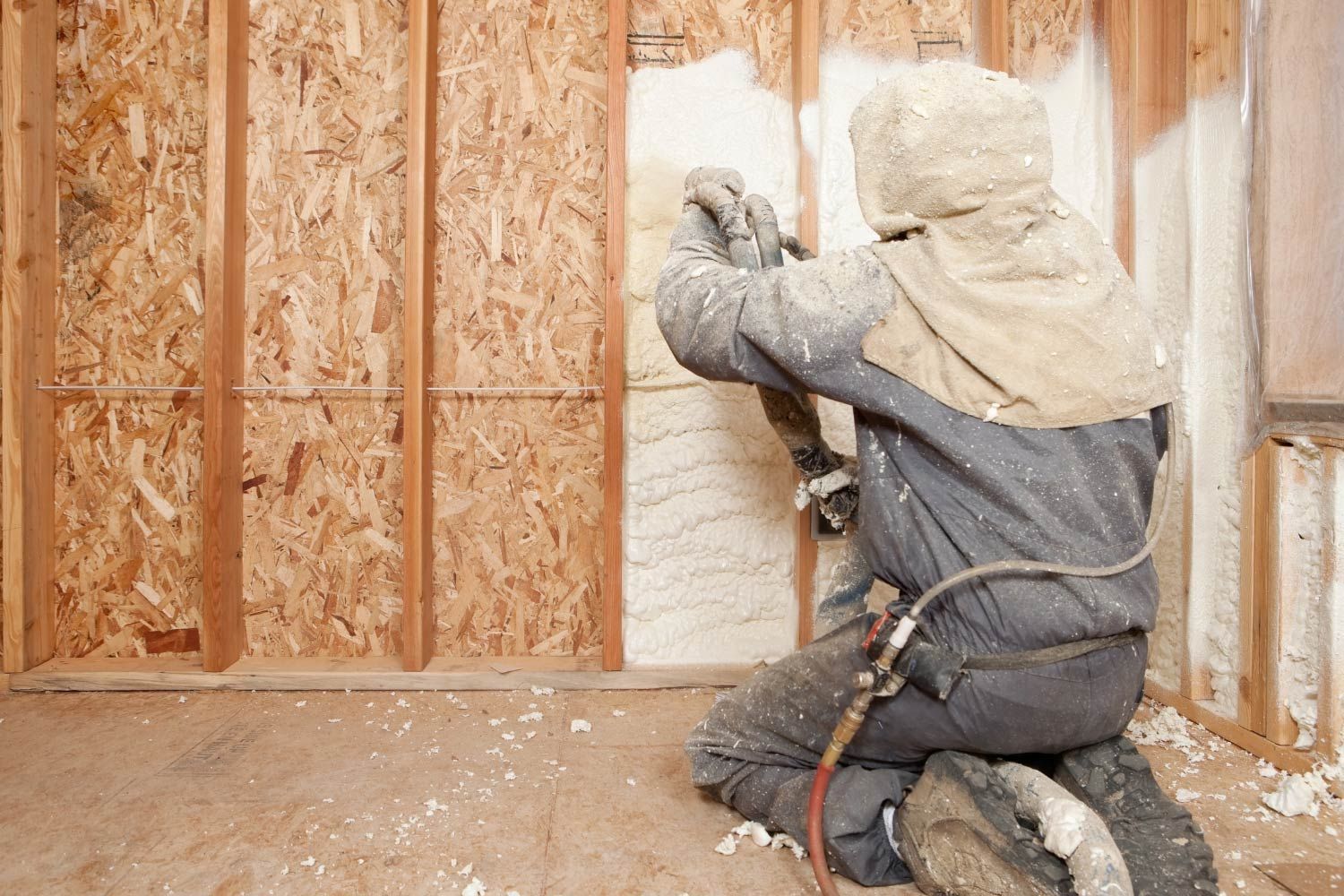
Spray foam comes in two varieties: open-cell and closed-cell. Open-cell foam is lighter and provides good sound absorption, while closed-cell foam is denser and offers a higher R-value per inch. Spray foam also creates an effective air seal and acts as a moisture barrier, which is valuable in Denver’s dry climate where shifting humidity levels can cause condensation issues in attics and
crawl spaces.
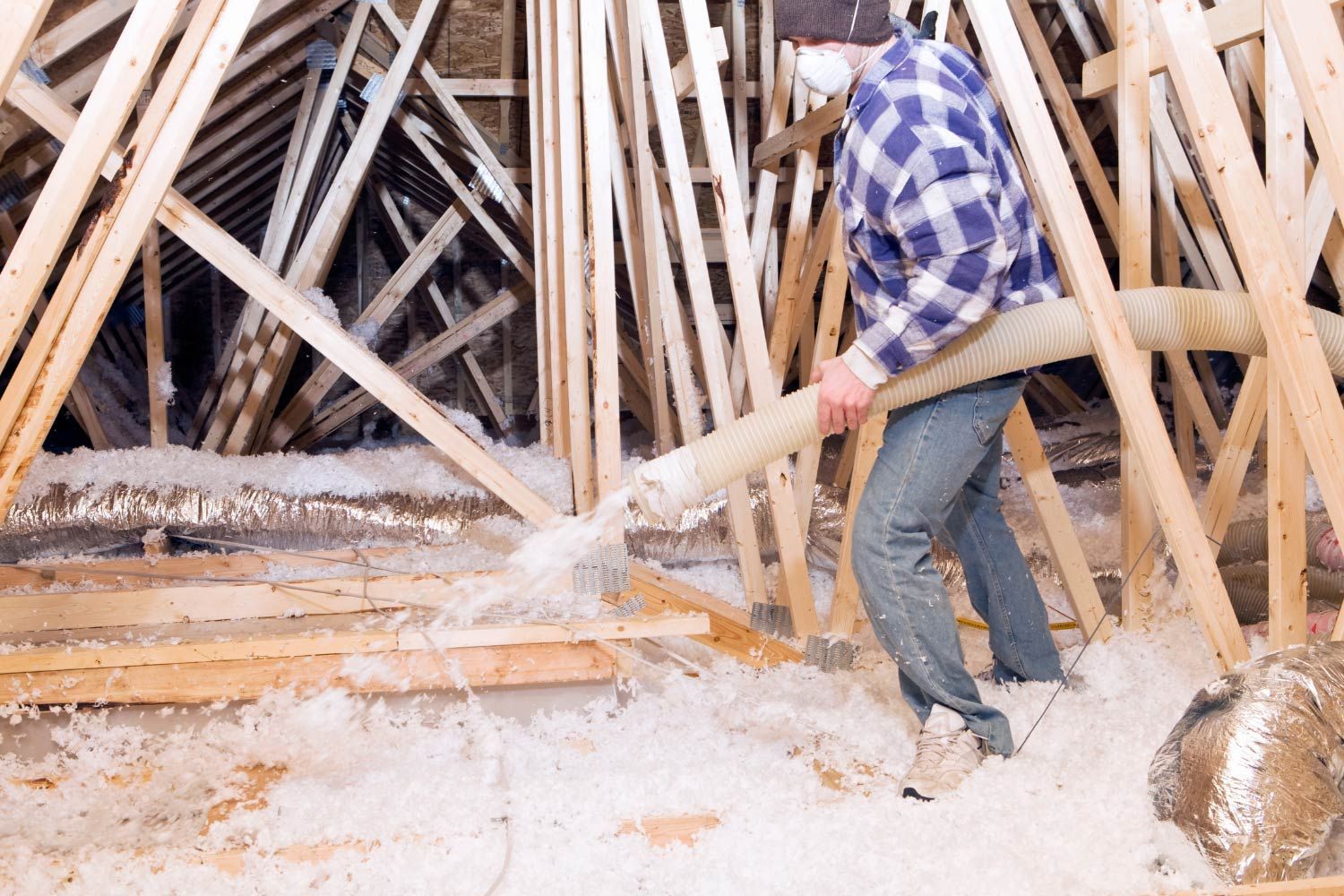
Blown-in insulation, made from fiberglass or cellulose, is a popular choice for attic upgrades. It can be installed over existing insulation to boost R-values without a full removal. Cellulose blown-in insulation is often treated with fire retardants and can be an eco-friendly option. Blown-in insulation is also a good solution for filling irregular spaces and gaps around framing.
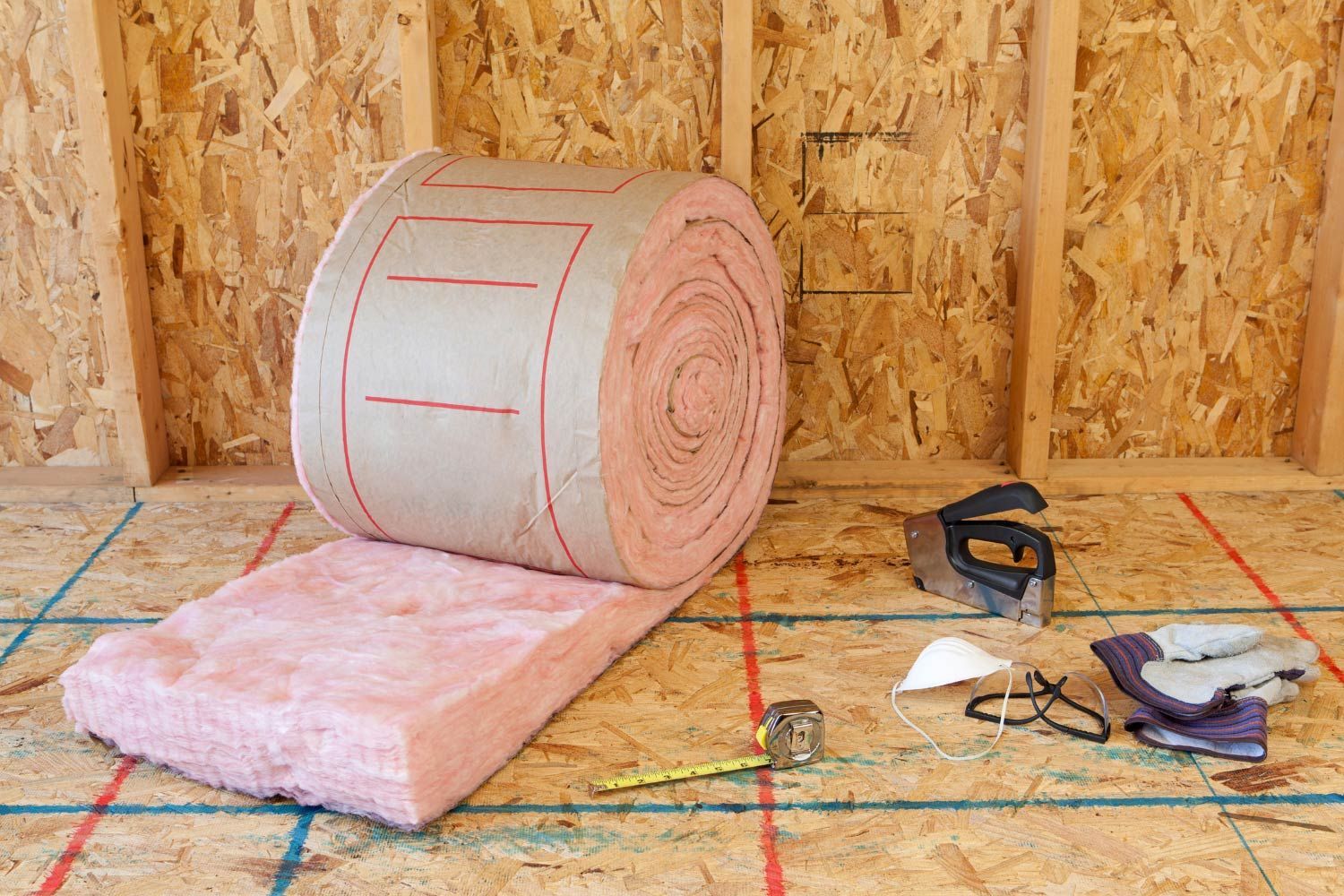
Fiberglass and mineral wool batts are a traditional option for walls, floors, and attics. Batt insulation is cost-effective and easy to install in standard framing cavities. Mineral wool offers additional fire resistance and soundproofing benefits. Many Denver contractors offer batt insulation as part of their service lineup for both new construction and retrofit projects.
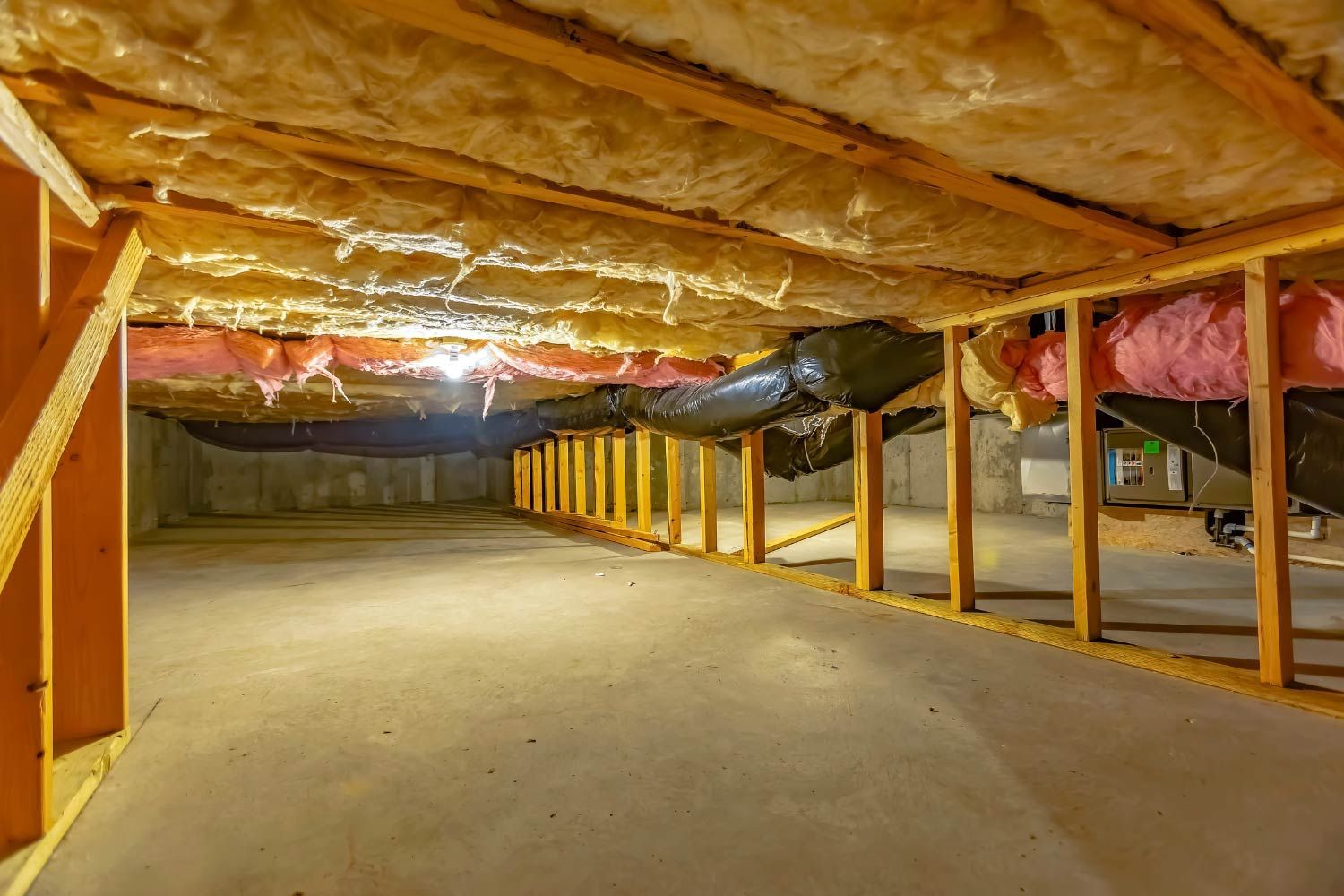
Pest Control Insulation
Some contractors offer specialty insulation treated with borates, such as TAP borate-treated cellulose. This type of insulation deters common pests like ants, cockroaches, and silverfish while still providing thermal performance. It is a useful option for homeowners in areas prone to insect issues.
Attic Insulation – Your First Line of Defense Against Energy Loss
Your attic is responsible for the majority of your home's heat loss. We install high-performance attic insulation that:
Improves your R-value to meet or exceed Denver climate recommendations
- Prevents warm air from escaping during winter months
- Keeps your home cooler in the summer
- Lowers heating and cooling bills significantly
A properly insulated attic can cut your energy use by up to 20% annually—and we make sure it’s done right the first time.
What to Look for in a Home Insulation Contractor
Choosing a contractor goes beyond just comparing prices. Here are key factors to consider when researching home insulation contractors in Denver.
Experience and Local Knowledge
Contractors who have worked in Denver for many years understand the area’s building stock and climate challenges. A contractor with deep local experience will know how to handle older homes with unconventional framing or limited attic access.
Certifications and Rebate Partnerships
Look for contractors who hold certifications like BPI (Building Performance Institute). Also check whether they partner with Xcel Energy for rebates. Some contractors specifically help homeowners take advantage of Xcel rebates, which can offset part of the cost of an insulation upgrade. Being a rebate partner means the contractor knows the eligibility requirements and can handle the paperwork.
Range of Services
Different contractors specialize in different areas. Some focus strictly on attic insulation, while others offer a full menu including spray foam, blown-in, batt, air sealing, insulation removal, crawl space encapsulation, and energy audits. If you need multiple services, a full-service contractor can coordinate the work and ensure compatibility between insulation types and air sealing.
Customer Reviews and Reputation
Reviews on Google, Yelp, and other platforms give insight into a contractor’s reliability and workmanship. While you should always take online reviews with a grain of salt, consistently high ratings over many reviews are a good sign.
Denver Insulation Contractors at a Glance
| Company | Years in Business | Key Services | Certifications / Notes |
|---|---|---|---|
| NetZero Insulation | Since 2012 (14+ years) | Attic insulation, spray foam, fiberglass, cellulose, air sealing, crawl space, removal, garage insulation, energy audits | BPI-certified, Xcel Energy rebate partner |
| Denver Insulation | Over 20 years | Spray foam, insulation removal, residential and commercial services | Listed on BBB, Yelp, HomeAdvisor |
| Level Up Insulation | Not stated | Pest control insulation (TAP), spray foam, blown-in, removal, crawl space encapsulation, attic sealing | Insured and certified; 4.8-star Google rating |
| Mucilli Brothers Insulation | Since 1973 (53+ years) | Complete insulation services | Longest-serving company in the area |
| All Tucked Insulation | Not stated | Attic insulation, eco-friendly options | Helps with Xcel rebates; serves Denver and Boulder |
What to Expect
for Cost
nsulation costs vary widely based on the size of the home, the current R-value, the type of insulation chosen, and attic access. For a typical 2,000-square-foot home in Denver, attic insulation work generally costs between $1,500 and $4,000. That range covers labor and materials for blowing in new insulation or replacing old insulation. Additional services like air sealing or insulation removal may add to the total. Always get a written quote before work begins, and ask whether the quote includes removal of old insulation if needed.
Frequently Asked Questions
How do I know if my Denver home needs more insulation?
Common signs include uneven room temperatures, high energy bills, drafts near ceilings or walls, and ice dams on the roof in winter. A quick visual check of the attic can help: if attic insulation is level with or below the floor joists, you likely need more. Many contractors offer free inspections and can measure your current R-value.
Does the insulation type affect energy savings in Denver?
Yes. Spray foam provides the highest R-value per inch and excellent air sealing, which can lead to the greatest energy savings. Blown-in cellulose or fiberglass is more affordable but may require a thicker layer to reach the same R-value. The best choice depends on your budget, the condition of your home, and whether you also need air sealing or moisture control.
Are Xcel Energy rebates available for insulation work in Denver?
Xcel Energy offers rebates for qualifying insulation upgrades. Not all contractors are rebate partners, so it is wise to ask whether the company can help you apply. The specific rebate amount and eligibility criteria can change, so check with your contractor or Xcel Energy directly before starting the project.
How long does a typical attic insulation installation take?
For a standard 2,000-square-foot home, attic insulation installation usually takes one to two days. Blown-in insulation goes in quickly, while spray foam may require more time due to curing between layers. If removal of old insulation is needed, add an extra half day for the cleanup and preparation.
Finding the right home insulation contractor in Denver means looking for local experience, verified certifications, and a clear understanding of Denver’s climate and building codes.
Whether you choose a long-established company or a specialist, be sure to compare quotes, ask about rebates, and confirm the scope of work.
Reach out to us today to schedule a free evaluation and get a fixed-price quote for your home.