Case Study: Batt vs. Blown-In Insulation – Which Is Better for Your Home?

When analyzing the thermodynamic performance of your residential building envelope, few decisions carry as much long-term impact as your choice of thermal barrier.
Welcome to this comprehensive technical case study evaluating the operational efficacy, thermal resistance, and installation mechanics of two predominant materials: Batt Insulation and blown-in loose-fill. In this detailed analysis, you will follow a precise, real-world residential retrofit scenario designed to determine which system provides superior home comfort solutions and maximizes your energy-efficient home objectives.
The Subject Property: Analyzing the Baseline Building Envelope
We examine a 1980s residential structure encompassing 2,800 square feet in a climate zone characterized by high diurnal temperature variations. The initial diagnostic energy audit revealed substantial thermal bypasses, elevated HVAC load requirements, and inconsistent ambient temperatures.
The primary culprit? Degraded, underperforming insulation. The task is to execute a full building envelope retrofit, forcing a critical choice between traditional Batt Insulation and mechanical blown-in systems for both the vertical wall cavity and the horizontal attic insulation spaces.
Thermodynamic Profile of Batt Insulation
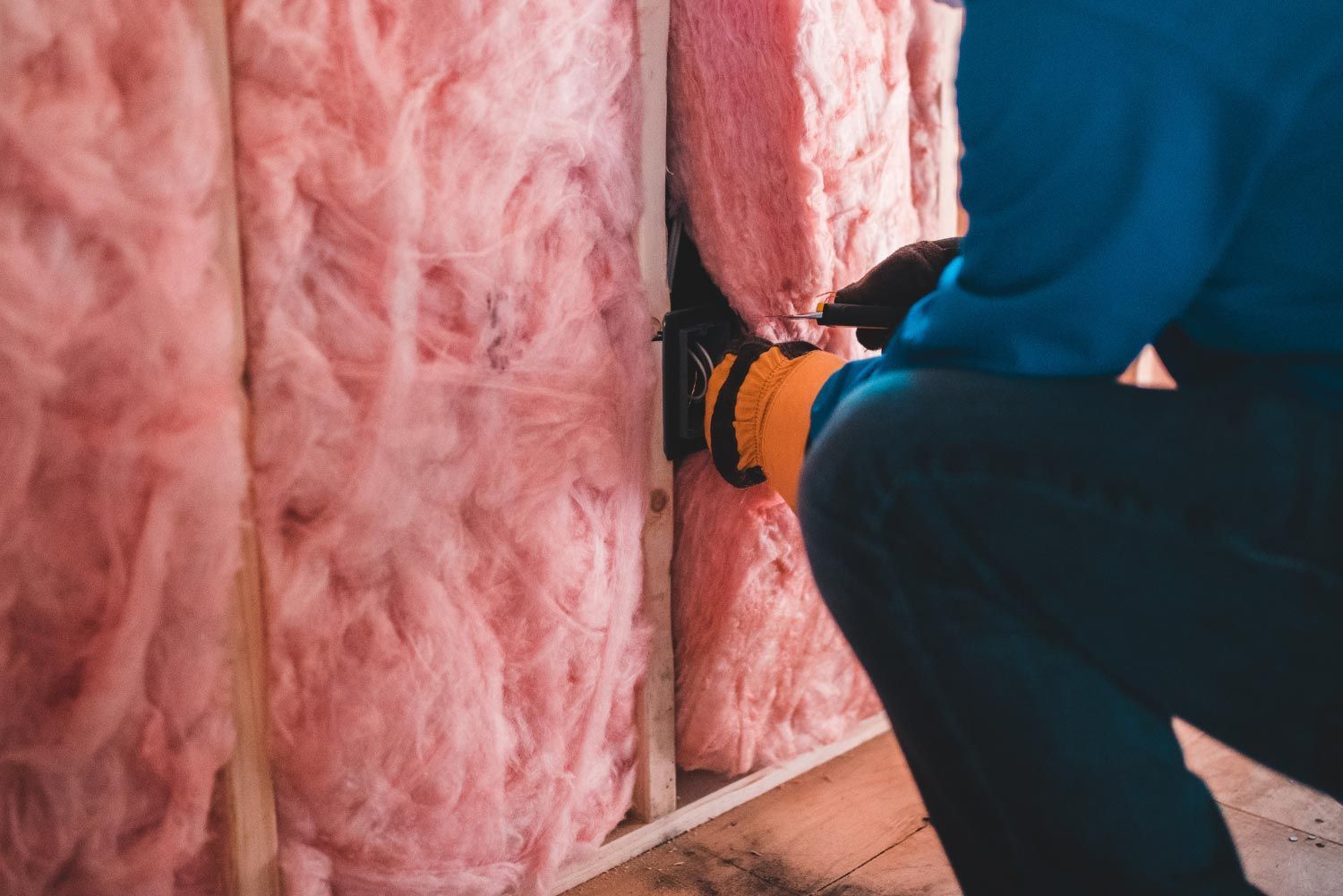
Batt Insulation is manufactured as dimensional panels or rolls, typically encountered as either fiberglass batts or dense mineral wool insulation. In our retrofit project, the application of batts offers precise, quantifiable thermal resistance when installed to rigorous tolerances.
Moisture Management with Faced Batts
During the wall cavity phase, we must select between different facing options. By deploying kraft-faced batts along the exterior-facing stud bays, we introduce a vital, integrated moisture barrier.
This class II vapor retarder mitigates interstitial condensation, controlling the diffusion of water vapor driven by pressure differentials. Conversely, for interior partitions where acoustic isolation is the primary goal, unfaced mineral wool serves as excellent soundproofing insulation, elevating the Sound Transmission Class (STC) rating of the assembly.
Mechanics and Deployment of Blown-In Insulation
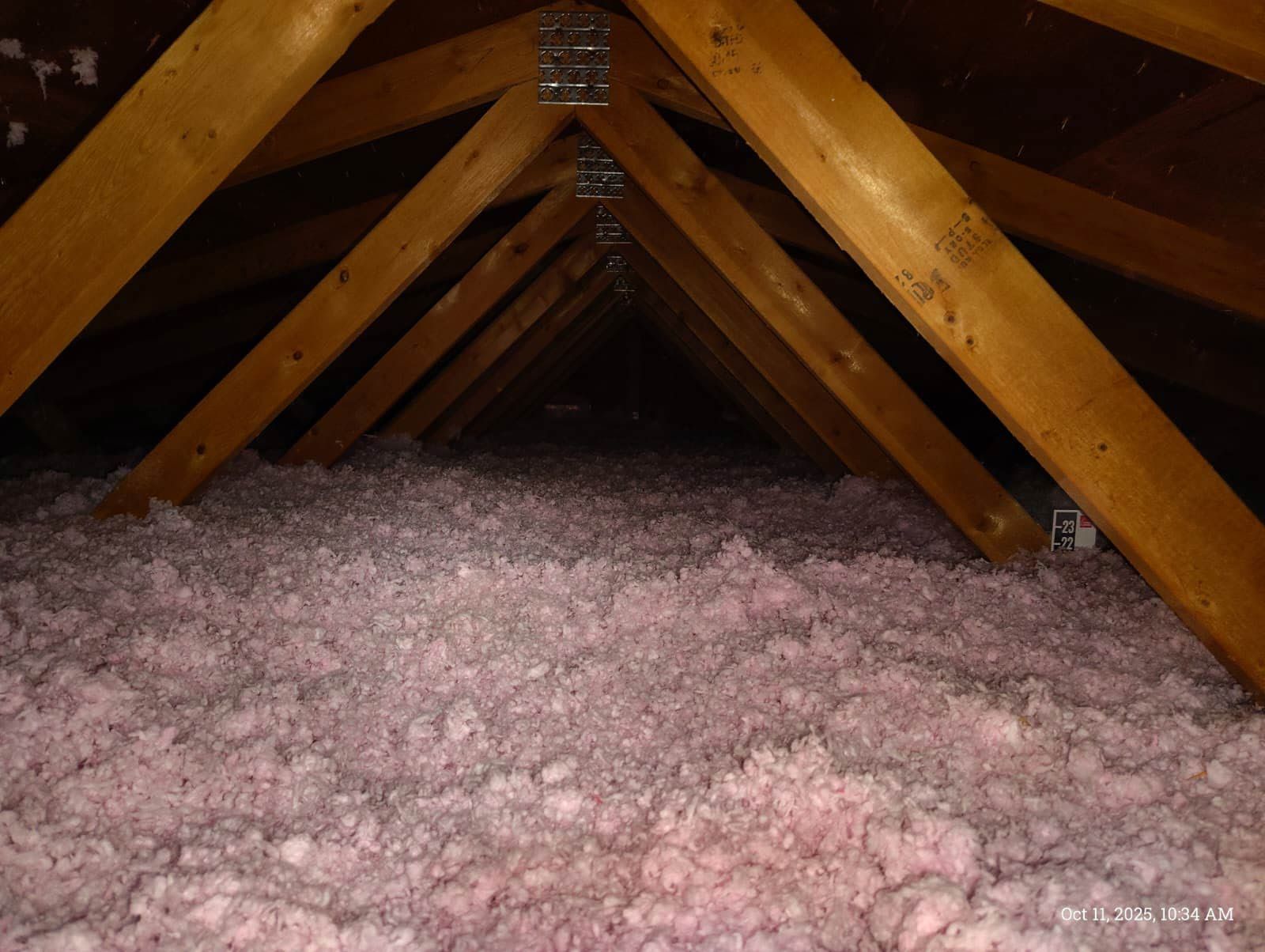
In direct contrast to dimensional rigidity, blown-in insulation utilizes pneumatic delivery systems to distribute loose-fill cellulose or advanced loose fiberglass.
As we shift focus to the attic, the advantages become structurally apparent. The attic floor is an erratic landscape of electrical conduits, recessed lighting, and HVAC ducting. Blown-in material creates a monolithic, seamless thermal blanket, flowing dynamically into microscopic voids that dimensional batts often miss.
R-Value Guide and Thermal Resistance Comparisons
To objectively determine which is better for your home, we consult the Department of Energy R-value guide. R-value measures a material's resistance to conductive heat flow.
| Technical Specification | Batt Insulation Systems | Blown-In Insulation Systems |
|---|---|---|
| Primary Materials | Fiberglass, Mineral Wool | Cellulose, Loose fiberglass |
| Optimal Application | Vertical wall cavities, open stud bays | Attics, irregular geometries |
| Thermal Resistance | R-3.1 to R-4.3 per inch | R-2.5 to R-3.8 per inch |
| Acoustic Performance | Exceptional (Mineral Wool) | Moderate dampening |
| Moisture Control | Integrated vapor retarder available | Requires independent barrier |
Achieving Target R-Values
To achieve the recommended R-49 for attic spaces, you would need roughly 15-16 inches of standard fiberglass batts. Alternatively, installing 13-14 inches of blown-in cellulose achieves the identical thermal target with significantly fewer localized voids.
Essential Insulation Installation Tips and Pitfalls
The operational success of your insulation upgrade depends entirely on installation fidelity. Even the highest-rated materials will fail if your execution is flawed.
- Avoid Compression: Compressing a fiberglass batt to fit around a plumbing stack expels the trapped air pockets that provide thermal resistance. Always split the batts around wires.
- Seal Air Leaks First: Neither batt nor blown-in insulation stops air movement. You must use caulk or spray foam to seal gaps before installing your primary thermal barrier.
- Consistent Depth: When using blown-in materials, ensure even distribution to prevent "cold spots" where the insulation is too thin.
For additional methodologies, refer to our advanced insulation installation tips.
Case Study Results: Quantifying Your Energy Savings
Following the comprehensive retrofit of the subject property, we analyzed empirical data to validate material selection. By deploying a hybrid approach using the structural rigidity of fiberglass batts for vertical planes and the fluid coverage of loose-fill for horizontal planes the results were definitive:
- Air Leakage: Post-installation blower door tests revealed a 35% reduction in Air Changes per Hour (ACH).
- Cooling Demand: HVAC load calculations indicated a 32% decrease in sensible cooling demand during peak summer months.
- Heating Load: A 28% reduction in winter heating loads was recorded.
Frequently Asked Questions (FAQ)
Does installing kraft-faced batts eliminate the need for a separate house wrap?
No. Kraft-faced batts serve strictly as an interior vapor retarder. You still require a continuous exterior weather-resistive barrier (like Tyvek) to stop bulk liquid water and wind-driven rain from penetrating the building envelope.
Can I combine blown-in insulation over existing fiberglass batts in my attic?
Yes, this is a highly recommended practice. If your existing batts are dry and mold-free, you can pneumatically install blown-in cellulose directly over them. This fills the microscopic gaps the original batts may have left around joists.
Why is mineral wool superior for soundproofing?
Mineral wool possesses significantly higher mass and a multi-directional fiber orientation. This density creates friction against acoustic waves, transforming sound energy into trace thermal energy, making it ideal for bedrooms and home theaters.
What are the most critical DIY insulation mistakes to avoid with batts?
The most catastrophic error is compression. Squishing an R-19 batt designed for a 2x6 cavity into a 2x4 cavity severely degrades its performance. Furthermore, failing to scribe batts around electrical boxes creates convective loop pathways where cold air circulates behind the insulation.
Conclusion: The Verdict for Your Home
The answer to which insulation is better is highly contextual. For exposed vertical stud bays, basement perimeters, and acoustic partitions, Batt Insulation is structurally superior. Conversely, for upgrading attic floors with complex geometries, Blown-In Insulation is the definitive choice for an airtight barrier.
By leveraging the specific physics of both materials, you construct a resilient, high-performance building envelope. If you are ready to maximize your home's ROI and comfort, contact PIKA Insulation today for a professional evaluation.