Spray Foam Insulation in Denver: Worth the Cost?

- Traditional fiberglass insulation Denver (Batt / Blown-In): $1,800 – $3,500
- Cost per sq. ft.: $1.20 – $2.30 (including basic manual air sealing)
- Lifespan: 10 – 15 years before sag/degradation
- Performance: Highly susceptible to drafts; R-value drops if moisture enters.
- Open-Cell Spray Foam: $3,200 – $5,500
- Cost per sq. ft.: $2.10 – $3.60
- Lifespan: Lifetime (80+ years)
- Performance: Creates an airtight seal; excellent soundproofing for interior spaces.
- Closed-Cell Spray Foam: $5,800 – $9,500
- Cost per sq. ft.: $3.80 – $6.30
- Lifespan: Lifetime (80+ years)
- Performance: Absolute moisture barrier; structurally reinforces the roof deck.
HVAC Performance and Air Quality Improvements
Not every room or cavity in your house requires the exact same approach.
Basements and Crawl Spaces
This stops ice dams from forming, which you can learn about via our attic insulation page.
Beyond the raw material, multiple variables impact your final quote.
Monthly Utility Reductions
Winter Heating Savings
Because spray foam creates an uncompromising airtight seal, it virtually eliminates convective heat losses and drafts.
In a severe climate like ours, that equates to massive financial savings during our harsh January deep-freezes.
Hello, homeowners! As a professional insulation specialist operating right here in the Front Range, I speak with residents every single day who are looking for ways to make their homes more comfortable and energy-efficient. One question comes up more than almost any other:
"Is spray foam insulation in Denver really worth the upfront cost?"
Given our unique Colorado climate featuring freezing, snowy winters, sudden spring blizzards, and surprisingly scorching summers, achieving a perfectly sealed home envelope is critical. Throughout my career, I've seen firsthand the transformative power of a properly insulated house. The difference between a drafty, under-insulated home and one sealed with modern foam is like night and day. Let's dive deep into the world of spray foam insulation in Denver, CO residents have come to trust to see if it is the right match for your home and budget.
What is Spray Foam Insulation Denver Homeowners Trust?
Before we talk about costs and savings regarding spray foam insulation in Denver, Colorado, we need to define exactly what we are dealing with. What makes this material the gold standard in the construction industry?
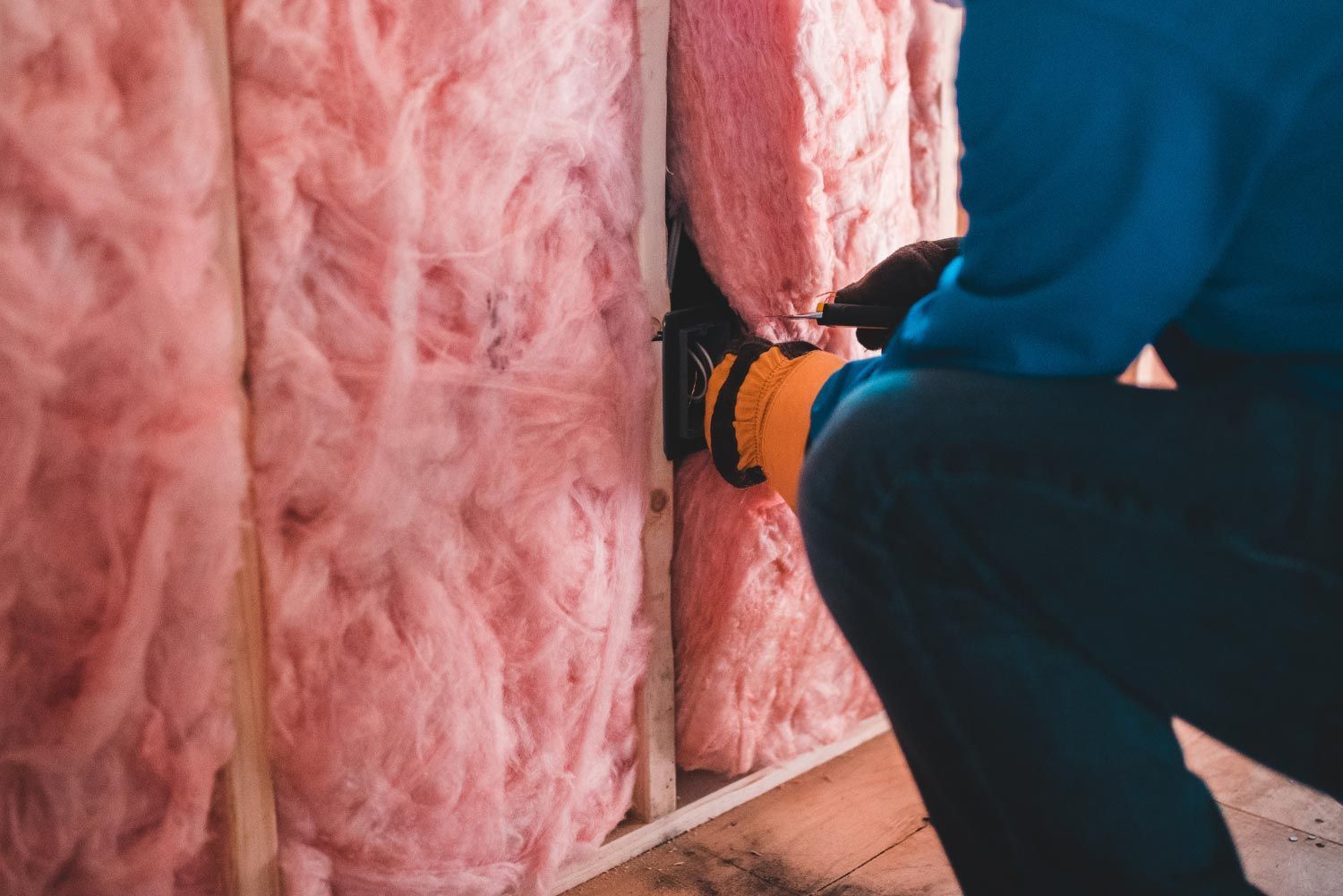
At its core, spray polyurethane foam (SPF) is an innovative, high-performance insulation material and air barrier that seals walls, floors, and ceiling cavities against air movement. Unlike traditional fiberglass batts or blown-in cellulose, which simply sit within the wall or attic cavities and allow air to pass through them, spray foam insulation is applied as a liquid that expands instantly to fill every single crack, crevice, and gap.
When my team and I install foam insulation, Denver homeowners instantly notice the difference in indoor comfort. The material never sags, settles, compresses, or degrades over time, ensuring a permanent boundary between your living space and the harsh elements. Because Denver experiences massive temperature swings, sometimes dropping forty degrees in a single afternoon, preventing conditioned air from escaping is the single most effective way to maintain a consistent indoor temperature.
Open Cell vs. Closed Cell: Choosing the Right Spray Foam Insulation Denver Option
One of the most important decisions you will make when upgrading your home's thermal envelope with spray foam insulation in Denver is choosing the right type of foam.
Understanding Open-Cell Spray Foam
Open-cell spray foam is lighter, less dense, and more pliable to the touch. The microscopic cells inside the foam remain open, allowing the material to expand significantly—up to 100 times its liquid volume. This incredible expansion rate makes it fantastic for filling deep, hard-to-reach cavities and provides excellent sound-dampening properties. Because of its lightweight and expansive nature, open-cell foam traps airborne noise effectively, making it a popular choice for home theater rooms or between living spaces in multi-level homes. However, it is completely permeable to water and vapor.
Exploring Closed-Cell Spray Foam
Closed-cell spray foam, on the other hand, is incredibly dense and highly rigid once cured. More importantly, closed-cell foam acts as a complete vapor and moisture barrier. Thanks to its densely packed structure, this foam effectively blocks moisture transmission and even adds massive structural rigidity to your walls, protecting against heavy wind loads. This makes it highly beneficial in subterranean, crawl space, or exterior areas of the home.
| Feature | Open-Cell Spray Foam | Closed-Cell Spray Foam |
|---|---|---|
| Density | Low (approx. 0.5 lbs/cu ft) | High (approx. 2.0 lbs/cu ft) |
| R-Value per Inch | ~ R-3.7 | ~ R-6.5 to R-7.0 |
| Expansion Rate | Up to 100x liquid volume | 30x to 40x liquid volume |
| Moisture Barrier | No (Permeable to vapor/water) | Yes (Completely Impermeable) |
| Structural Strength | Adds minimal structural strength | Adds significant wall rigidity |
| Best Used For | Interior walls, soundproofing | Exterior walls, basements, exposed damp areas |
Where Spray Foam Works Best in Your Colorado Home
Not every room or cavity in your house requires the exact same approach. Over my years of performing thermal imaging, I've found that applying high-quality spray foam insulation in Denver to specific vulnerable areas yields the highest ROI.
Attics and Roof Decks
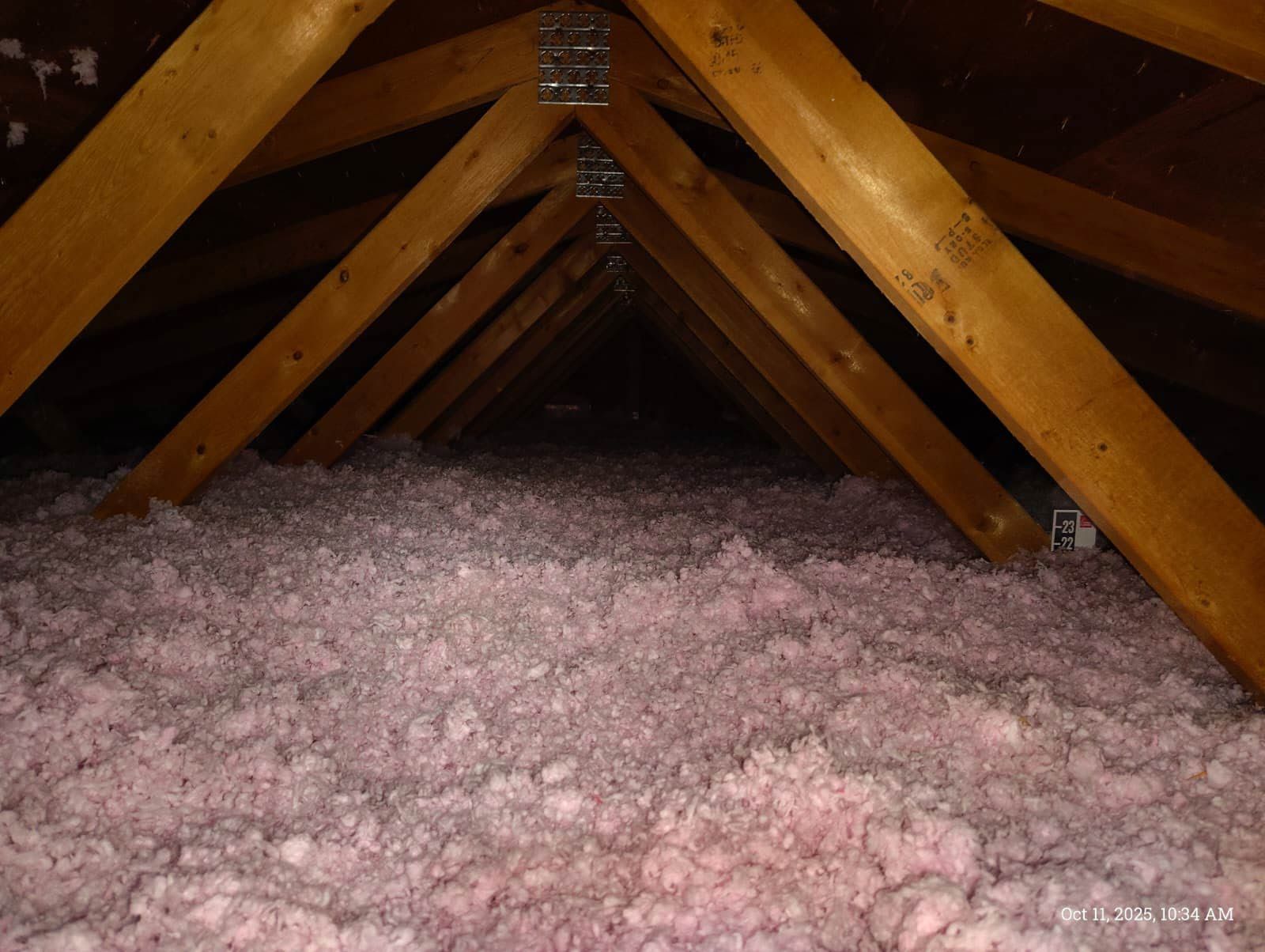
Your attic is the primary battleground for heat loss in the winter and heat gain in the blistering summer. By applying spray foam directly to the underside of the roof deck, we create an unvented assembly, bringing the entire space into the conditioned envelope. This stops ice dams from forming and protects your roof structure. To learn more about standard R-values and alternative attic materials, explore our comprehensive attic insulation page.
Basements and Crawl Spaces
Colorado homes frequently feature basements that become damp and freezing cold. For these subterranean areas, closed-cell spray foam is the absolute best choice because it acts as a permanent vapor barrier, blocking musty drafts and ground moisture from creeping up into your main living floors. Discover how we insulate and protect these damp lower levels via our specialized basement insulation services.
Actual Cost of Spray Foam Insulation Denver Projects
Now, let us address the elephant in the room: the price. Yes, spray foam is undeniably more expensive upfront than traditional fiberglass or cellulose.
When calculating the cost of spray foam insulation in Denver installers use a measurement called a "board foot" (which is a 12" x 12" square area that is 1 inch thick). Understanding board foot pricing helps demystify contractor estimates:
- Open-Cell Costs: Typically runs between $0.50 and $1.50 per board foot.
- Closed-Cell Costs: Being denser and more material-intensive, closed-cell generally ranges from $1.50 to $3.00 per board foot.
Beyond the raw material, multiple variables impact your final quote. Project complexity, access difficulties, and whether you require old, damaged insulation to be vacuumed out first will affect labor pricing. For an average-sized Denver home needing selective or complete encapsulation, spray foam projects can range anywhere from $2,500 to $8,000+.
2026 Cost Comparison Breakout: Fiberglass vs. Spray Foam
To help you visualize the upfront investment versus long-term performance, here is a transparent cost comparison for a typical 1,500 square foot Denver attic project in 2026:
Traditional fiberglass insulation Denver (Batt / Blown-In): $1,800 – $3,500
| Cost per sq. ft. | Lifespan: | Performance: |
|---|---|---|
| $1.20 – $2.30 (including basic manual air sealing) | 10 – 15 years before sag/degradation | Highly susceptible to drafts; R-value drops if moisture enters. |
Open-Cell Spray Foam: $3,200 – $5,500
| Cost per sq. ft. | Lifespan | Performance |
|---|---|---|
| $2.10 – $3.60 | Lifetime (80+ years) | Creates an airtight seal; excellent soundproofing for interior spaces. |
Closed-Cell Spray Foam: $5,800 – $9,500
| Cost per sq. ft. | Lifespan | Performance |
|---|---|---|
| $3.80 – $6.30 | Lifetime (80+ years) | Absolute moisture barrier; structurally reinforces the roof deck. |
The Verdict: While traditional fiberglass insulation in Denver saves you money on Day 1, it lacks the dynamic, airtight sealing capabilities of spray foam. By investing in spray foam, you skip the need for separate air-sealing labor, completely protect your home from moisture damage, and recoup the cost difference through drastically reduced utility bills.
Long-Term Return on Investment: Is Spray Foam Worth It?
While the upfront investment is higher, it is crucial to view this as a permanent capital improvement to your property. Because spray foam creates an uncompromising airtight seal, it virtually eliminates convective heat losses and drafty pressure differentials.
Homeowners who invest in a comprehensive
spray foam insulation upgrade in Denver often see a dramatic reduction in monthly utility bills, routinely dropping by
30% to 50%. In a severe climate like ours, that equates to massive financial savings during our harsh January deep-freezes and hot July afternoons. Over a span of five to ten years, those reduced heating and cooling costs compound significantly to pay off the project. Furthermore, upgrading your insulation can significantly extend the lifespan of your expensive HVAC equipment because the machinery doesn't have to cycle on and off nearly as frequently to maintain your set temperature.
Frequently Asked Questions
To further assist you in your research, I have compiled an expert FAQ layer answering common inquiries from Denver homeowners. For more inquiries, check out our main FAQs page.
Does spray foam insulation Denver lose its R-value or degrade over time?
Unlike fiberglass or cellulose, which can settle, sag, or compress over time (drastically reducing their insulation performance), spray foam remains completely stable. Once it cures, it holds its shape and maintains its full R-value for the entire lifespan of the structure.
Can I stay in my house while the spray foam Denver is being installed?
We highly recommend that homeowners and pets vacate the premises during the application process and for 24 hours afterward. This allows the freshly applied polyurethane foam to completely off-gas and cure in a safely ventilated environment.
Will spray foam insulation make my house "too tight" and trap stale air?
While spray foam does an incredible job of stopping uncontrolled drafts, modern homes require proper mechanical ventilation to maintain healthy indoor air quality. If your home achieves a highly airtight seal, we can evaluate your ventilation setup (such as an ERV or HRV system) to ensure you have a constant supply of fresh, filtered air without wasting energy.
Are there any financial rebates or tax incentives available for Denver homeowners?
Local utility providers like Xcel Energy often offer rebates for professional insulation and air sealing. Amounts and rules change, so we check what your home qualifies for at the free evaluation.
Conclusion
Upgrading your home's thermal envelope is undoubtedly one of the smartest, most impactful investments you can make as a homeowner. The extreme, rapidly changing weather in Colorado demands a resilient, high-performing solution. As a dedicated local expert, I confidently recommend spray foam insulation in Denver, Colorado for anyone looking to profoundly enhance their daily comfort, reduce their environmental carbon footprint, and permanently lower their monthly utility bills.
Reach out to the team at
PIKA Insulation today, and let's work together to make your home the most comfortable and efficient place it can possibly be!
Free Insulation Estimate
We will get back to you as soon as possible.
Please try again later.