Is Cellulose Insulation Safe? Fire Resistance and Eco-Friendly Facts

As a building science professional, I am frequently approached by homeowners and contractors alike who harbor a specific set of anxieties regarding cellulose insulation. The primary concern usually centers on its composition: "If it’s made of paper, isn't it just a massive fire hazard?"
In this technical guide, I will deconstruct the myths surrounding this material and analyze the empirical data regarding its safety, fire-retardant properties, and environmental footprint. When we evaluate cellulose through the lens of modern thermodynamics and material science, the results are often surprising to those accustomed to traditional mineral-based insulators.
What Is Cellulose Insulation? A Material Breakdown
To understand the safety of cellulose, we must first define what it actually is. In the current market, cellulose insulation is composed of approximately 75% to 85% recycled paper fiber primarily post-consumer newsprint.
However, the remaining 15% to 25% is where the "magic" of building science happens. This portion consists of fire-retardant additives, most commonly borates (such as boric acid or ammonium sulfate). These minerals are not just an afterthought; they are chemically integrated into the wood fibers to alter the material’s reaction to thermal energy and biological stressors.
The Manufacturing Process
The newsprint is mechanically shredded into tiny, fiberized particles. This high surface area is what gives cellulose its impressive thermal resistance (R-value). During this fiberization process, the borates are infused into the material. This ensures that the fire-retardant properties aren't just a coating on the outside of a pile of paper, but a fundamental characteristic of every individual fiber.
The Fire Resistance Paradox: Paper vs. Flame
It is counterintuitive to suggest that a paper-based product can improve the fire safety of a home. Yet, in controlled laboratory settings and real-world forensic fire analysis, cellulose often outperforms fiberglass in critical areas.
The Borate Reaction
When cellulose insulation is exposed to an open flame, the borate additives react by releasing moisture and forming a carbonized char layer. This char acts as a thermal shield. Unlike fiberglass, which can melt at approximately 1,100°F and allow flames to pass through the resulting gaps, cellulose stays in place.
By maintaining its structural integrity during a fire, cellulose prevents the "chimney effect" within wall cavities. In my field observations, I have seen wall assemblies insulated with dense-pack cellulose remain standing long after uninsulated or fiberglass-insulated walls have collapsed, simply because the cellulose starved the fire of oxygen and slowed the spread of heat to the wooden studs.
Fire Safety Ratings
Cellulose is rigorously tested under ASTM E84 (Standard Test Method for Surface Burning Characteristics of Building Materials). Most high-quality cellulose products achieve a Class A Fire Rating, with flame spread indices well below the thresholds required by international building codes. For more on fire safety standards, you can consult the National Fire Protection Association (NFPA).
Toxicity and Indoor Air Quality (IAQ)
A primary concern in modern high-performance building is the "off-gassing" of Volatile Organic Compounds (VOCs). As an expert, I prioritize materials that contribute to a healthy indoor environment.
Borates: A Low-Toxicity Solution
The borates used in cellulose are the same minerals found in common household products like laundry boosters and eye drops. While they are lethal to insects and fungi (which we will discuss shortly), they possess very low toxicity for humans and pets.
Formaldehyde-Free Composition
Unlike some older fiberglass batts or certain spray foam formulations, cellulose is typically free of formaldehyde and other harsh chemical binders. This makes it a preferred choice for individuals with Multiple Chemical Sensitivities (MCS). However, because it is a particulate material, I always emphasize the importance of a proper air sealing strategy to prevent dust migration into the living space.
The Ecological Imperative: Why Cellulose Leads in Sustainability
If your objective is to minimize the "embodied carbon" of your home, cellulose is the clear winner in the insulation category.
Recycled Content
Cellulose boasts the highest recycled content in the industry. By diverting newsprint from landfills where it would otherwise decompose and release methane, a potent greenhouse gas cellulose serves as a form of carbon sequestration within your walls.
Low Embodied Energy
The energy required to manufacture insulation is known as its embodied energy.
- Fiberglass requires massive amounts of energy to melt sand and glass in high-heat furnaces.
- Spray Foam is a petroleum-based product with a significant chemical manufacturing footprint.
- Cellulose is produced using low-energy mechanical grinders.
In fact, it takes roughly 10 to 20 times more energy to produce a pound of fiberglass than it does to produce a pound of cellulose. You can learn more about low-impact building materials from the Environmental Protection Agency (EPA).
Biological Resistance: Mold, Pests, and Decay
Safety isn't just about fire; it's about the long-term structural integrity of your building envelope. A "safe" home is one that isn't rotting from the inside out.
Anti-Fungal Properties
Because basements and attics are prone to moisture fluctuations, mold is a constant threat. The borates in cellulose act as a powerful fungicide. In my experience, even when cellulose becomes damp due to a minor leak, it is far less likely to support mold colonies than the paper facing on drywall or traditional wood framing.
Pest Deterrence
Borates are an effective desiccant for insects. When ants, termites, or cockroaches crawl through cellulose, the borate dust clings to their exoskeletons and dehydrates them. While I never market insulation as a standalone pest control service, the "side effect" of having a borate-infused thermal barrier is a significant reduction in nesting opportunities.
Technical Performance: R-Value and Air Infiltration
Safety and efficiency are linked; a home that can't stay warm during a power outage in winter is a safety risk.
Superior R-Value per Inch
Cellulose typically offers an R-value of 3.5 to 3.8 per inch. This is superior to standard loose-fill fiberglass. More importantly, cellulose is much denser, which restricts air movement.
Reducing Convective Loops
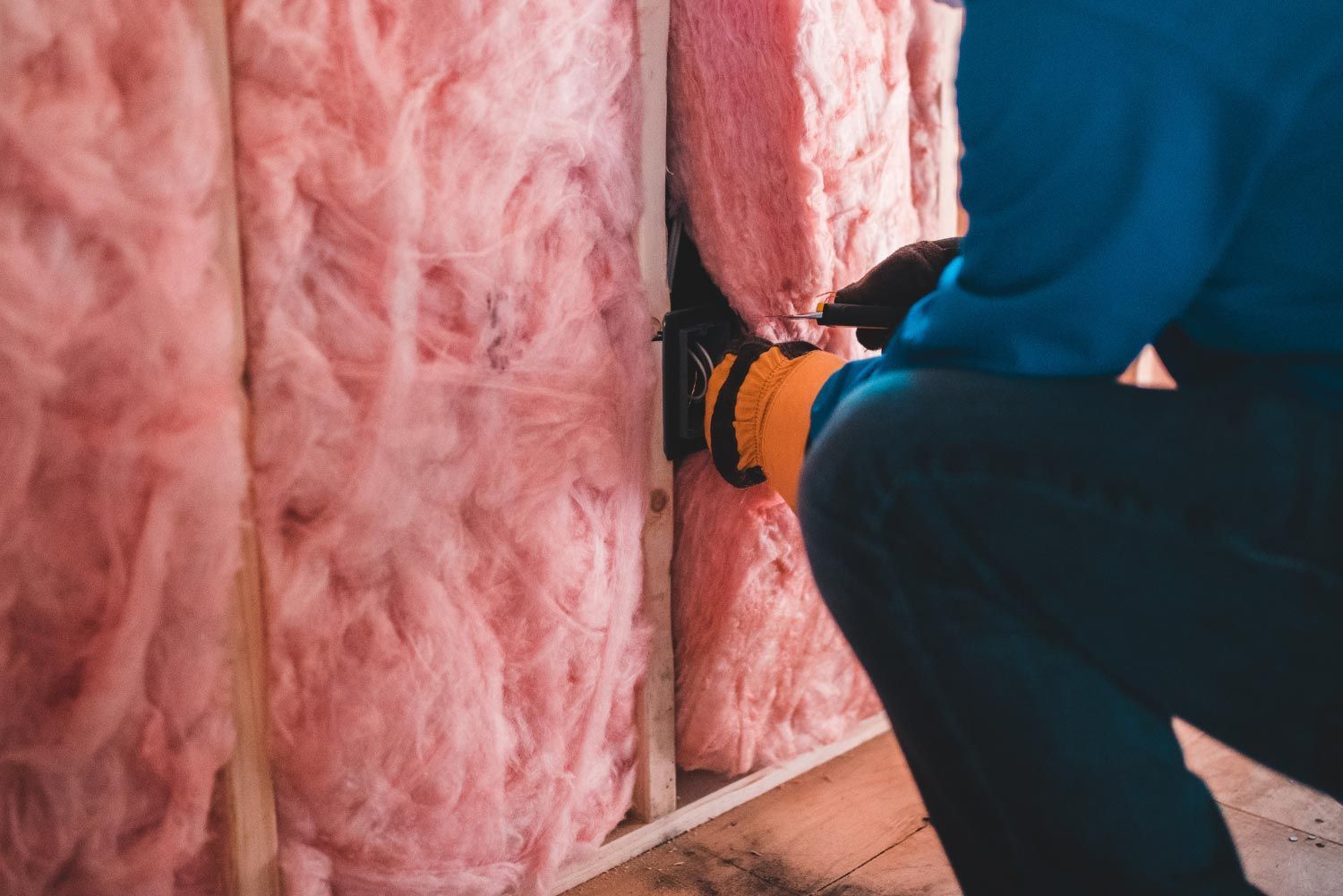
Because it is pneumatically installed, cellulose fills the nooks and crannies around electrical boxes and plumbing stacks that batts often miss. In technical terms, cellulose provides "base-level" air sealing that prevents convective looping, the process where air moves through insulation and strips away its thermal effectiveness.
Dense-Pack vs. Loose-Fill: Choosing the Right Application
To maximize safety and performance, you must choose the correct installation method for the specific zone of your home.
Loose-Fill for Attics
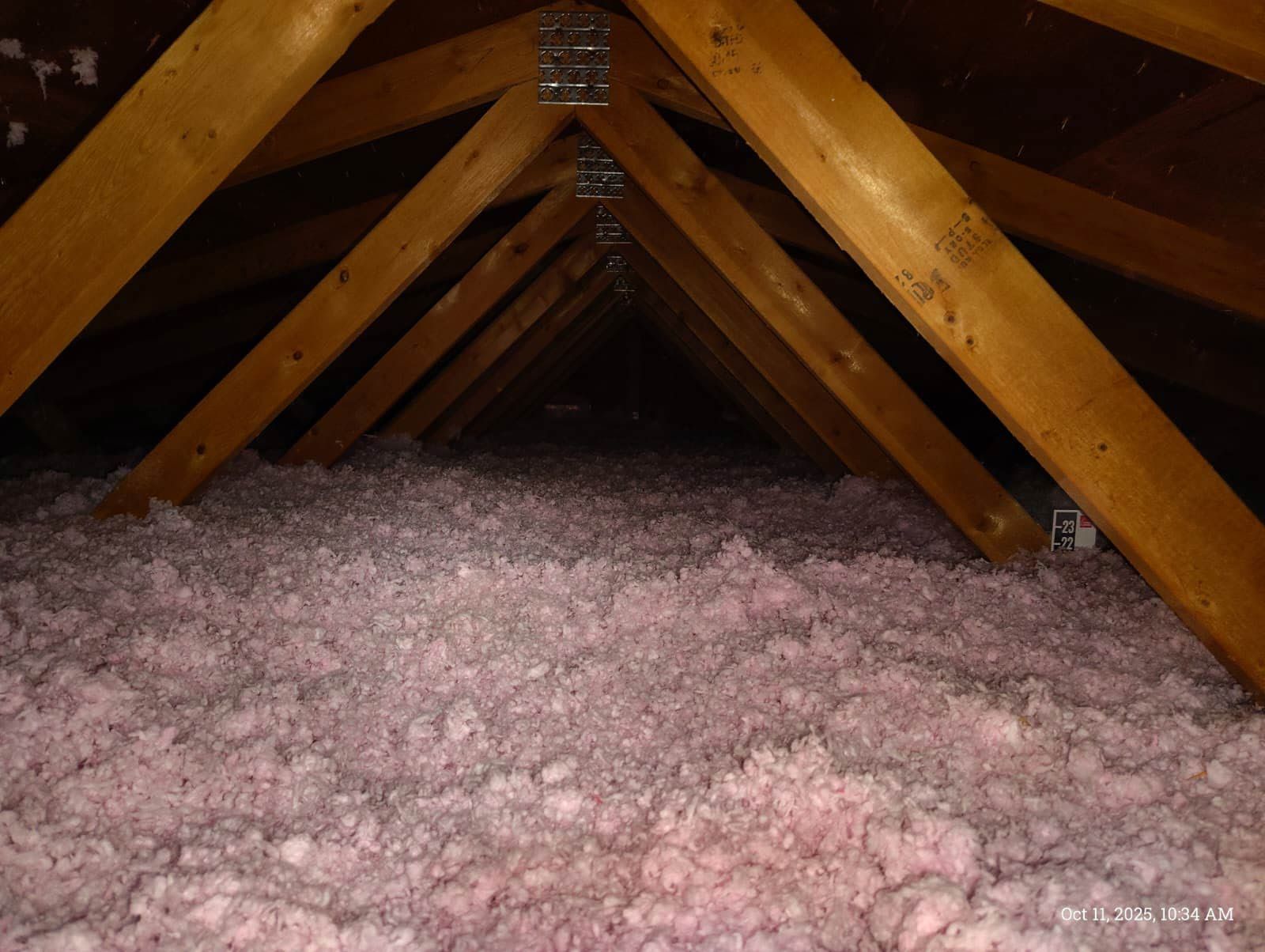
In horizontal applications, cellulose is "blown in" at a lower density. This creates a thick, fluffy blanket. While it is highly effective, you must account for settling. Most manufacturers provide "settled thickness" charts; as an expert, I always install 10% to 15% more than the target depth. For more on this, visit our Attic Insulation service page.
Dense-Pack for Walls
In vertical wall cavities, we use a "dense-pack" method, typically aiming for a density of 3.5 lbs per cubic foot. This high pressure ensures the material will never settle, leaving no uninsulated gaps at the top of your walls. Dense-packing also provides the highest level of fire-blocking and acoustic dampening.
Addressing the "Dust" and "Moisture" Myths
No material is perfect. To be a responsible expert, I must address the limitations of cellulose.
Moisture Sensitivity
Cellulose is hygroscopic, meaning it can absorb and release moisture. This is a double-edged sword. In a well-ventilated attic, this helps manage humidity. However, if a pipe bursts and soaks the cellulose, it can become heavy and lose its loft. If cellulose becomes saturated, it must be replaced to prevent rot.
Particulate Management
During installation, cellulose is dusty. Professional installers use high-efficiency HEPA filtration and specialized "scrubbers" to manage this. Once the drywall is installed and the outlets are sealed, the dust is no longer a factor. For DIYers, wearing a high-quality respirator is non-negotiable.
Comparison Matrix: Cellulose vs. The Alternatives
| Feature | Cellulose | Fiberglass | Spray Foam (Closed Cell) |
|---|---|---|---|
| Recycled Content | 80% + | 30% - 50% | Negligible |
| Fire Resistance | Class A (Char Shield) | Non-combustible (but melts) | Combustible (requires barrier) |
| Embodied Energy | Very Low | Moderate | High |
| Air Sealing | Excellent (Dense Pack) | Poor | Superior |
| Pest/Mold Resistance | High (Borates) | Moderate/Low | High |
Frequently Asked Questions (FAQ)
Is cellulose insulation more expensive than fiberglass?
Generally, the material cost is comparable. However, because cellulose requires specialized pneumatic equipment, the labor cost can be slightly higher. The long-term energy savings usually offset this initial investment within a few years. Explore more in our FAQs.
Does cellulose insulation settle over time?
In an attic, yes it typically settles about 10% to 20% in the first year. Professional installers compensate for this by over-blowing. In walls, if it is "dense-packed" correctly, it will not settle.
Is the dust from cellulose dangerous?
The dust is classified as a "nuisance dust." While it isn't toxic like asbestos, breathing any fine particulate is bad for the lungs. Proper PPE during installation is essential.
Can cellulose be used in basements?
It can be used in finished basement walls, provided there is a robust basement moisture barrier against the concrete foundation. Because cellulose is organic, it should never be in direct contact with damp masonry.
Final Verdict: Is It Safe?
After decades of analyzing building failures and successes, my conclusion is firm: Cellulose insulation is one of the safest, most efficient, and most environmentally responsible materials available today.
Its ability to act as a fire block, its low chemical off-gassing, and its remarkable ability to divert waste from landfills make it a premium choice for the modern homeowner. When installed by professionals who understand the nuances of density and moisture management, cellulose provides a thermal envelope that is hard to beat.
If you're ready to upgrade your home's safety and efficiency, contact PIKA Insulation for a technical evaluation of your property. Let's build a home that is as sustainable as it is comfortable.