The Pros and Cons of Fiberglass Insulation: What Every Homeowner Should Know

Welcome to the ultimate educational guide on one of the most critical components of your home's thermal envelope. Over my years working as a residential insulation professional, I have inspected, removed, and installed residential insulation in thousands of homes.
Throughout these countless projects, homeowners consistently ask me the same fundamental questions about their energy efficiency, comfort, and utility costs. The single material that continually dominates these conversations is fiberglass insulation. Often instantly recognized by its iconic color as the classic pink insulation, this material has been a staple in the construction industry for decades.
However, despite its widespread industry popularity, many homeowners do not fully understand how it works, where it excels, and where it falls short. In this comprehensive, expert-led guide, I will define what fiberglass is, explore its immense industry popularity, and walk you through the distinct pros and cons of fiberglass insulation so you can make the absolute best decision for your property.
Understanding R-Value: Thermal Performance and Climate Zones
Before we dive into the specific advantages of fiberglass, we must understand how insulation is measured. The gold standard metric for any insulating material is its thermal performance, which is quantified by its R-value.
What is R-Value?
The R-value measures a material's resistance to conductive heat flow; simply put, the higher the R-value, the greater the insulating power. Fiberglass insulation typically provides an R-value per inch ranging from 2.2 to 2.9, depending on the density and specific manufacturing process.
Regional Requirements
Understanding this R-value per inch is crucial because your home's insulation needs are entirely dictated by where you live. The Department of Energy has divided the country into distinct climate zones.
For example, a homeowner in a mild southern climate zone might only require an overall attic rating of R-30, whereas a home situated in a freezing northern climate zone might demand an R-49 or even R-60 rating. To achieve these higher ratings using glass wool insulation, you must install thicker layers or higher-density products to aggressively combat the severe winter cold and summer heat.
Types of Fiberglass Insulation: Batts vs. Rolls vs. Blown-In
When you decide to insulate your home, you will quickly discover that fiberglass does not come in a one-size-fits-all package. The material is manufactured into several different forms to suit various structural needs.
Fiberglass Batts and Rolls
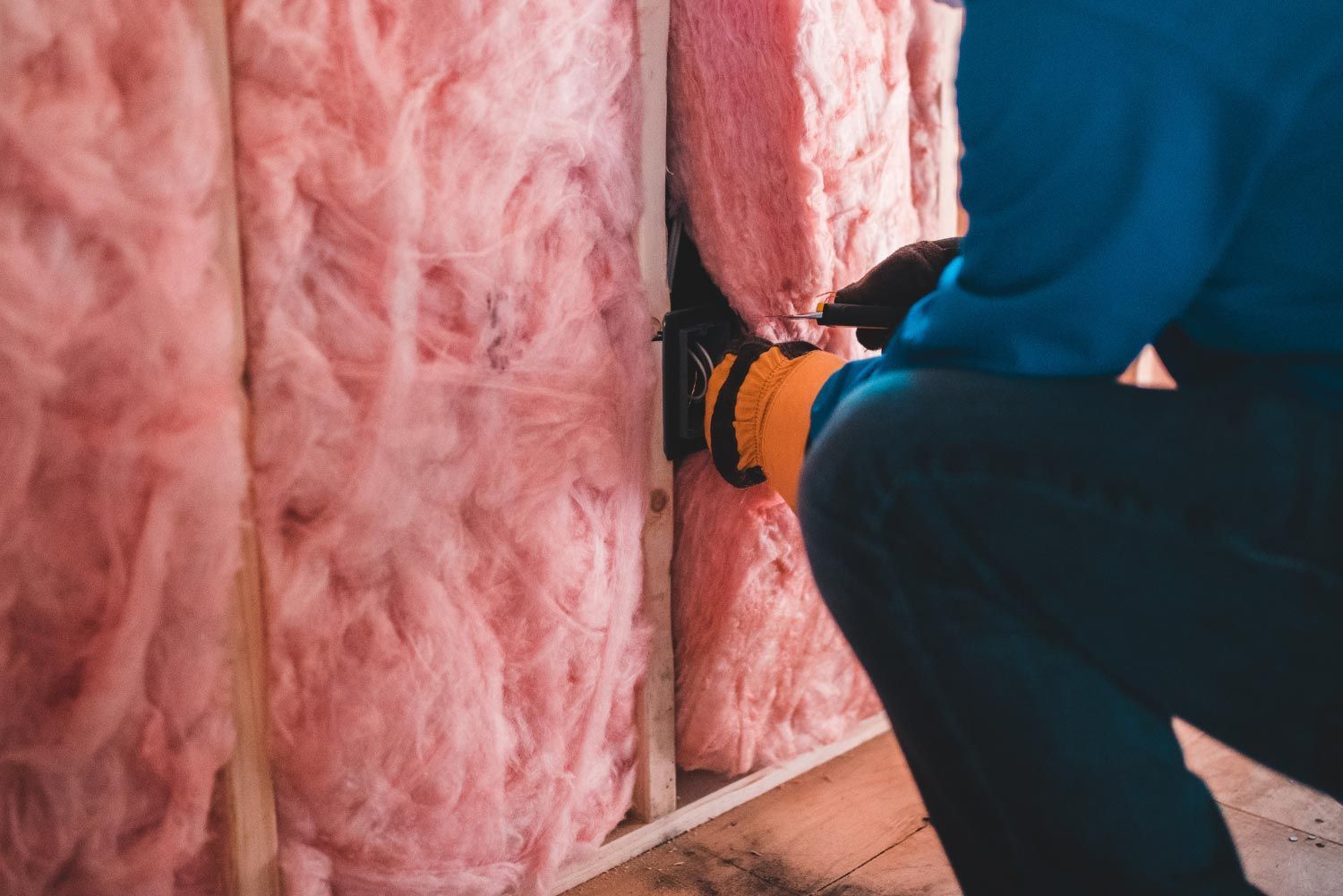
The most common type you will encounter is fiberglass batts. These are pre-cut, rectangular panels that are perfectly sized to fit snugly between standard wall studs, floor joists, and ceiling rafters. For an in-depth look at how these are utilized, you can explore our dedicated guide on batt insulation.
Secondly, we have fiberglass rolls. These are essentially identical to batts in composition but are sold in long, continuous spools. Rolls are incredibly useful for covering expansive, unobstructed areas like large attic floors or long crawl spaces.
Blown-In (Loose-Fill) Solutions
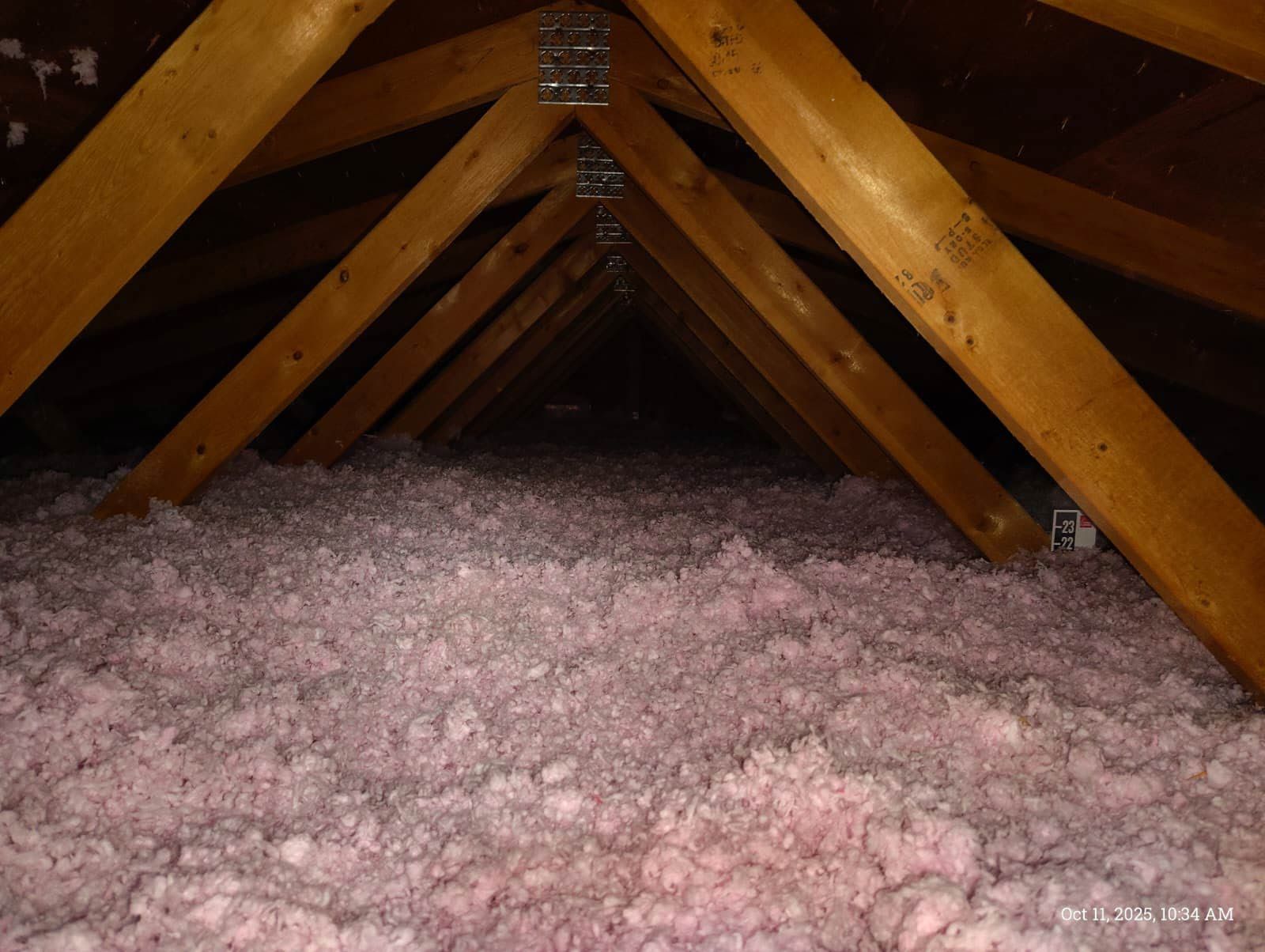
Finally, there is blown-in fiberglass. Unlike the structured batts or rolls, this is a loose-fill form of the material. It requires a specialized blowing machine to mechanically shred and propel the fiberglass chunks through a long hose and into your attic or wall cavities.
This method is unparalleled for filling irregularly shaped spaces, tiny crevices, and settling tightly around complex plumbing or electrical wiring. You can learn more about this versatile option on our blown-in insulation service page.
Key Benefits: Fire Resistance and Acoustic Performance
Why has fiberglass maintained its position as the undisputed king of residential insulation? The answer lies in its multi-faceted benefits.
- Fire Resistance: Because it is literally spun from molten glass and sand, the core material is naturally non-combustible. This provides an essential layer of passive fire protection within your home's framing.
- Moisture Control: Modern fiberglass provides respectable moisture resistance. It does not easily trap or hold water, but it must be installed with a high-quality vapor retarder to prevent structural rot.
- Sound Attenuation: Upgrading your wall insulation with densely packed fiberglass provides remarkable sound reduction. It absorbs sound waves, dramatically reducing noise transmission between interior rooms and blocking out intrusive exterior noises.
Installation Best Practices: The "No-Gap" Rule
Even the highest quality insulation will fail miserably if installed incorrectly. Adhering to strict installation best practices is non-negotiable.
The Importance of Precision
The single most important principle I enforce is the "No-Gap" rule. Fiberglass insulation works by trapping millions of tiny air pockets within its glass fibers. If the material is compressed, squished behind a wire, or left with gaps along the edges of the studs, those vital air pockets are compromised, and the effective R-value plummets.
Essential Air Sealing
Insulation alone is only half the battle; proper air sealing is the other critical component. Fiberglass filters air; it does not stop it. Before installing any material, you must meticulously seal all plumbing penetrations, electrical wire holes, and framing gaps with canned expanding foam or acoustic sealant. Failing to air seal means that harsh drafts will simply blow straight through your pristine new insulation.
Safety and Handling: Essential PPE and Procedures
While fiberglass is incredibly effective in your walls, it requires deep respect during the handling and installation phases. The material is composed of microscopic glass shards that can be highly irritating to the human body.
Personal Protective Equipment (PPE)
Direct contact can cause severe itching, skin rashes, eye irritation, and respiratory distress if inhaled. Therefore, utilizing essential PPE is mandatory:
- NIOSH-approved particulate respirator (N95 or better)
- Wraparound safety goggles
- Heavy-duty work gloves
- Disposable long-sleeved Tyvek suit
Post-Installation Hygiene
When the job is finished, it is crucial to take a cold shower immediately; cold water keeps your skin's pores closed, allowing the microscopic glass fibers to wash away rather than embedding themselves deeper. On a positive note, most premium manufacturers now offer strictly formaldehyde-free insulation, ensuring clean indoor air quality.
The Comparison: Fiberglass vs. Cellulose vs. Spray Foam
To truly understand the value of fiberglass, we must objectively compare it to its primary market competitors.
Cellulose Insulation
Cellulose is made from recycled paper products treated for fire and pest resistance. It is eco-friendly and offers a slightly better R-value per inch than fiberglass. However, cellulose is notorious for settling over time, which can leave uninsulated gaps at the top of wall cavities.
Spray Foam Insulation
Spray foam represents the premium tier of the market. Specifically, closed-cell spray foam insulation provides an unmatched R-value and acts as an absolute vapor and air barrier. While superior in performance, it is significantly more expensive and requires professional installation.
Infographic Data Table: Insulation Material Showdown
| Feature / Material | Fiberglass Insulation | Cellulose Insulation | Closed-Cell Spray Foam |
|---|---|---|---|
| Avg. R-Value / Inch | 2.2 to 2.9 | 3.2 to 3.8 | 6.0 to 7.0 |
| Cost Profile | Highly Affordable | Moderate | Premium |
| Air Sealing | Poor (Needs seal) | Moderate | Exceptional |
| Moisture Resistance | Fair (Needs vapor) | Poor (Absorbs) | Exceptional |
| Sound Attenuation | Excellent | Excellent | Good |
| DIY Friendly? | Yes (Batts/Rolls) | Moderate | No (Pro Only) |
Maintenance: Signs of Sagging or Damage
A common misconception is that once insulation is installed, it lasts forever. The reality is that conditions within your walls and attics are dynamic, and materials degrade over decades.
Identifying Issues
Over time, poorly secured fiberglass batts can succumb to gravity, slumping downward and creating large thermal voids. Identifying signs of sagging or damage such as inexplicable drafts, spikes in heating bills, or ice dams is the first step.
Professional Replacement
If your attic is compromised, layering new material over ruined material is a mistake. Instead, you must invest in professional insulation removal to safely extract contaminated or degraded fiberglass and prepare for fresh attic insulation.
Conclusion: Next Steps for the Homeowner
Upgrading your residential insulation is one of the most intelligent, high-ROI investments you can make. Fiberglass insulation remains the industry leader for a reason: it perfectly balances affordability, fire safety, and thermal performance.
Do not let another freezing winter or scorching summer drain your wallet through energy loss. Contact our expert team today to schedule a comprehensive energy audit and thermal inspection to maximize your home's comfort and efficiency.
Frequently Asked Questions (FAQ)
How long does fiberglass insulation realistically last?
Under ideal, undisturbed conditions, fiberglass insulation can last 80 to 100 years. However, its effective lifespan is often cut short to 15 or 20 years due to external factors such as roof leaks, physical compression, pest infestations, or heavy dust accumulation.
Can I safely install new fiberglass over my old insulation?
Yes, provided the old insulation is dry, mold-free, and untainted by rodents. Most importantly, the new top layer MUST NOT have a vapor retarder (kraft paper backing). Placing a new vapor retarder over old insulation can trap moisture, leading to mold and wood rot.
Does fiberglass insulation attract mice, rats, or bugs?
Fiberglass is not a food source, but its soft, warm texture makes it an attractive nesting environment for rodents. You must ensure your attic space and exterior walls are meticulously air-sealed and physically barricaded with wire mesh before installation.
Is standard fiberglass insulation waterproof?
No, fiberglass is not waterproof. While individual glass fibers do not absorb water, the air pockets between them fill with moisture when exposed to leaks. Once saturated, fiberglass loses its thermal performance and must be removed to prevent mold propagation.
Free Insulation Estimate
We will get back to you as soon as possible.
Please try again later.