Is Basement Insulation Worth It? Maximize Your Home's Energy Efficiency

If you are anything like the hundreds of homeowners I speak with every year, you have probably stood at the top of your basement stairs, felt that undeniable cold draft creeping up, and asked yourself: Is basement insulation worth it?
As an insulation expert who has spent years transforming damp, freezing basements into cozy, energy-efficient spaces, I can give you the short answer right now: Yes. Absolutely.
But you are not here for the short answer. You are here to understand exactly why basement insulation matters, how it practically impacts your daily life, and the specific steps required to do it right. Whether you are using your downstairs space for storage or planning a complete remodel, understanding how to handle basement insulation is one of the smartest investments you can make for your home's overall health and your wallet.
The Hidden Energy Drain Beneath Your Feet
Many homeowners assume that because their basement is underground, it is naturally insulated by the earth. That is a massive misconception. In reality, an uninsulated basement acts as a giant thermal sink.
During the winter, the heat you pay so dearly to generate rises, pulling freezing air in through your unsealed basement and rim joists through a process called the stack effect. This means your HVAC system has to work overtime just to maintain a baseline level of home comfort.
By investing in proper basement insulation, you are essentially putting a protective thermal blanket around the foundation of your home. This simple act is the cornerstone of true energy efficiency.
Core Benefits: Why Insulating Your Basement is a No-Brainer
Let us break down exactly what you stand to gain when you commit to insulating your basement space.
1. Significantly Lowering Energy Bills
When your home leaks heat, you are quite literally throwing money out the window or in this case, into the ground. A well-insulated basement stops convective heat loss in its tracks. Homeowners often see a dramatic reduction in their monthly utility costs, making the project pay for itself over time.
2. Drastically Improved Home Comfort
Have you ever noticed that your first-floor hardwood or tile feels like walking on ice during January? That is because the cold air from your basement is transferring right through the floorboards. Proper basement wall insulation and ceiling air sealing will warm up those floors, completely changing the dynamic of your main living area.
3. Moisture and Mold Prevention
Basements are notorious for dampness. When warm interior air meets cold, uninsulated concrete foundation walls, condensation forms. This condensation is the perfect breeding ground for mold and mildew. By utilizing a high-quality moisture barrier and the right insulation materials, you stop this condensation cycle before it even begins.
Targeting the Critical Areas: Wall vs. Rim Joists
Effective insulation is a comprehensive system. It requires understanding the unique geometry of your home's foundation and addressing the specific points where heat transfer is most aggressive.
The Importance of Rim Joist Insulation
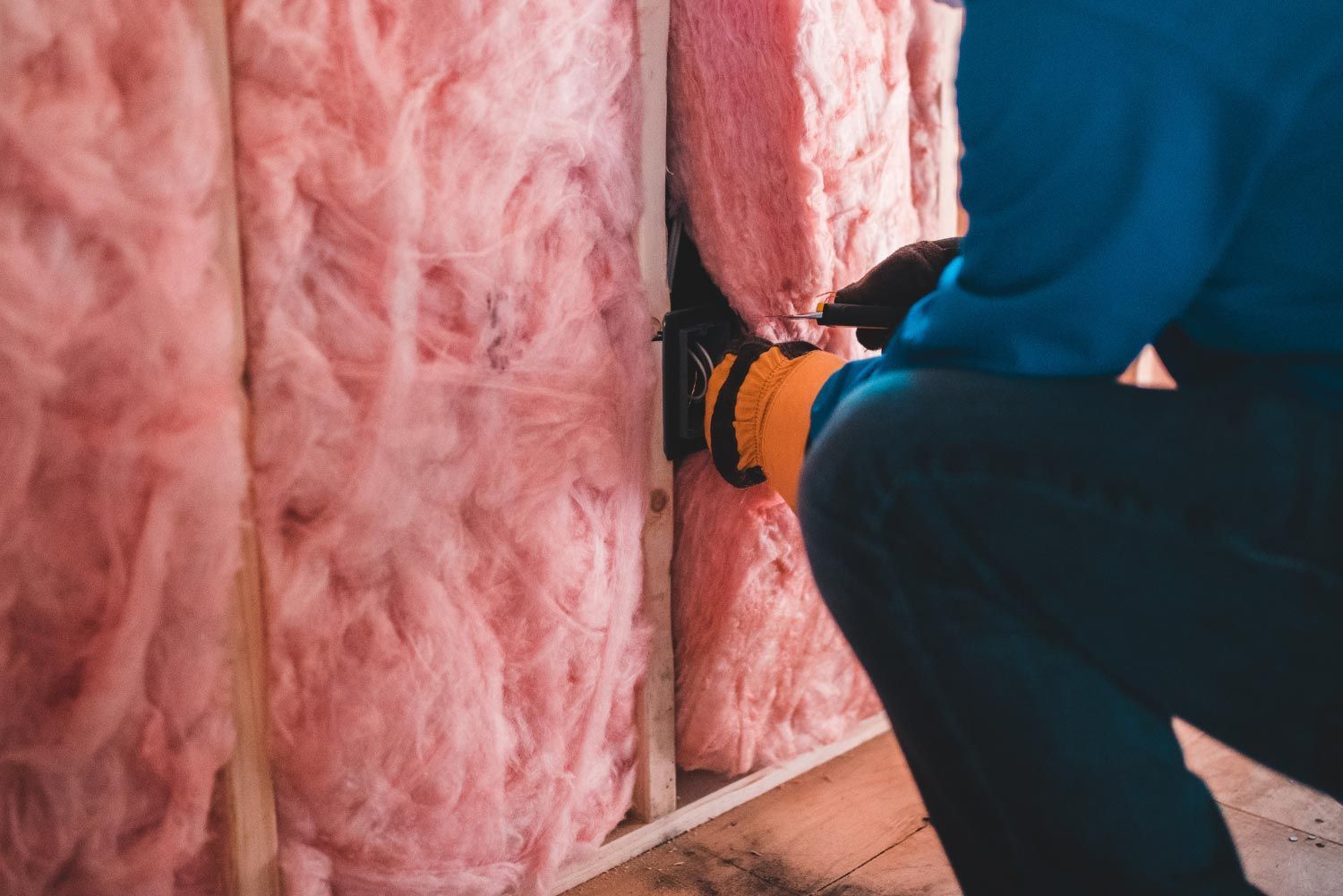
The rim joist sits right where your home's wooden framing meets the concrete foundation. It is notoriously leaky and is responsible for a massive amount of cold air infiltration.
If you insulate your walls but ignore the rim joists, you are leaving the front door wide open. I always recommend sealing this area with closed-cell spray foam insulation to completely stop air and moisture dead in their tracks.
Basement Wall Insulation
For the walls themselves, you want something that resists moisture. Concrete is porous and absorbs water from the surrounding soil. If you press standard fiberglass batts directly against concrete, they will soak up that water like a sponge, losing their R-value and growing mold.
Decoding R-Value for Subterranean Environments
R-value measures a material's resistance to heat flow. The higher the R-value, the better the insulating power. The ideal R-value for basements depends on your climate zone.
However, in most regions, aiming for an R-10 to R-15 for continuous basement wall insulation, or R-13 to R-19 for cavity insulation, is the gold standard. Keep in mind that when it comes to the basement, an insulation's ability to resist moisture is just as important as its R-value. Check our R-value chart for local requirements.
Comparison Guide: Which Material is Right for You?
Choosing the right material is the difference between a lifetime of comfort and a future mold problem.
| Insulation Material | Pros | Cons | Best Application |
|---|---|---|---|
| Closed-Cell Spray Foam | Excellent R-value; built-in vapor barrier; complete air seal. | Higher upfront cost; requires professional installation. | Rim joists, raw concrete walls, damp environments. |
| Rigid Foam Board | Great moisture resistance; consistent R-value; easy to fit. | Needs to be covered by a thermal barrier (drywall) for fire safety. | Continuous interior wall insulation before framing. |
| Fiberglass Batts | Cost-effective; easy for DIYers; widely available. | Absorbs moisture easily; prone to mold if improperly installed. | Stud cavities ONLY if a moisture barrier is already present. |
Mastering Moisture and Vapor Barrier Installation
One of the biggest mistakes I see in DIY basement jobs is improper vapor barrier installation. A vapor barrier is designed to stop water vapor from moving through walls.
In modern building science, we prefer 'breathable' assemblies or completely impermeable layers right against the foundation. This is why spray foam is highly recommended for basements it provides insulation and a moisture barrier in one seamless application. No plastic sheeting required, and zero chance for condensation to form behind it.
Frequently Asked Questions (FAQ)
Can I just use standard fiberglass batts for my basement walls?
I strongly advise against putting fiberglass directly against concrete. Concrete wicks moisture, and fiberglass absorbs it. If you must use batts to save money, you absolutely need to install rigid foam against the concrete first, seal the joints, frame your wall in front of it, and then use the batts in the stud cavities.
Is insulating the basement ceiling a good idea?
Insulating the ceiling is great for soundproofing, but it actually isolates the basement from the home's thermal envelope. If you want a warm basement and warmer floors upstairs, it is much more effective to insulate the foundation walls and rim joists instead.
How much will basement insulation lower my energy bills?
While exact savings depend on your home's size and local climate, homeowners typically see their heating and cooling costs drop by 15% to 20% annually after a comprehensive basement insulation upgrade.
Do I need a vapor barrier if my basement has never flooded?
Yes! Liquid water (flooding) and water vapor (humidity) are different. Even a 'dry' basement experiences vapor diffusion through porous concrete. A proper barrier is essential to prevent hidden mold growth behind your walls. ="" type="page" href="/faq" data-runtime-url="/faq">Explore our FAQ page for more maintenance tips.
Conclusion: Making the Smart Choice for Your Home
So, is basement insulation worth it? Without a shadow of a doubt. From improving daily comfort to protecting your family from mold and lowering energy bills, the return on investment is incredibly high.
Don't let your basement remain the neglected, freezing dungeon of your property. By selecting the right R-value and executing proper moisture control, you are setting your home up for decades of peak performance.
If you are ready to stop letting your hard-earned money seep into the cold ground, contact PIKA Insulation today. Let us turn that freezing basement into the most comfortable room in your house!
Free Insulation Estimate
We will get back to you as soon as possible.
Please try again later.