Spray Foam vs Blown-In: 2026 Attic Insulation Savings Guide

Why is spray foam insulation so expensive?
Spray foam insulation is the most expensive option because it requires specialized chemical components, high-end application machinery, and intensive labor for site preparation and safety. However, home owners can save 50–70% by opting for blown-in insulation in their attics, which provides excellent thermal performance for a fraction of the cost.
If you have been shopping around for insulation quotes lately, you might have noticed that spray foam insulation often comes with a price tag that looks like it belongs on a luxury Italian sports car rather than a pile of gooey chemicals. Why is that? It isn't just because contractors like the sound of a heavy check hitting their bank account; there is some serious science and logistics behind that premium pricing.
First, there is the matter of the raw materials. Unlike fiberglass or cellulose, which are relatively straightforward to manufacture, spray foam is a product of sophisticated chemical engineering. You are essentially paying for a high-stakes chemistry experiment to happen right inside your attic. The two-part liquid components—typically an isocyanate and a polyol resin—must be precisely mixed at specific temperatures to create the rigid, air-sealing barrier that homeowners crave. These chemicals are subject to global supply chain fluctuations, and quite frankly, they aren't cheap to brew.
Then, we have the "spaceship" parked in your driveway. Applying spray foam requires an expensive rig equipped with heated hoses, high-pressure pumps, and sophisticated monitoring systems. This isn't a DIY job you can tackle with a rented machine from a big-box store. The equipment alone can cost a contractor upwards of $50,000 to $100,000. When you hire a pro for spray foam insulation , a portion of your payment is naturally subsidizing that high-tech machinery.
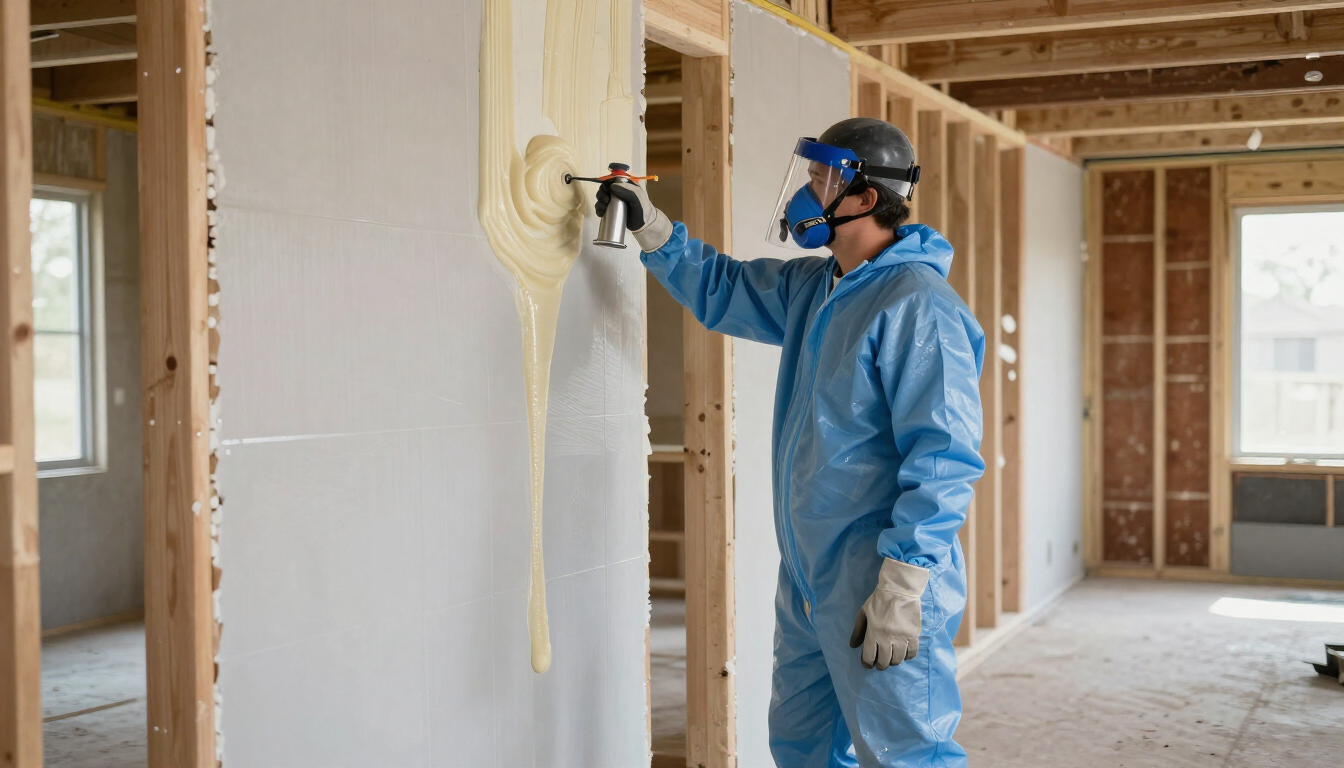
Finally, labor and safety are massive cost drivers. Spray foam requires a high level of expertise. One wrong move with the mixing ratio and you’ve got a lingering odor or a product that doesn't cure correctly. Furthermore, the site preparation is grueling. Installers have to mask off every window, door, and light fixture to prevent overspray from ruining your home. Add in the cost of high-grade personal protective equipment (PPE) and specialized ventilation systems, and you begin to see why the quote is so high.
How much can I save with blown-in insulation?
If the spray foam quote made your eyes water, blown-in insulation is the budget-friendly hero you didn’t know you needed. In the world of attic upgrades, blown-in cellulose or fiberglass is the workhorse that gets the job done without the drama. On average, home owners can expect to save between 50% and 70% on their total project costs when choosing blown-in over spray foam for an attic application.
For a standard 1,000-square-foot attic, a high-quality blown-in job might cost you a couple of thousand dollars. That same space treated with closed-cell spray foam could easily soar into the five-figure range. But what are you actually getting for that discount? Surprisingly, you aren't sacrificing as much as the marketing brochures might lead you to believe.
Blown-in insulation, particularly cellulose insulation , offers an impressive R-value (thermal resistance) per inch. Because it is installed using a relatively simple blower machine and a long hose, the labor costs are significantly lower. We can often insulate an entire attic in a matter of hours, rather than the days it might take to prep and spray a complex foam application.
Why blown-in is the smart financial choice:
- Lower material costs (recycled paper or glass vs. complex chemicals)
- Faster installation times (less than a day for most attics)
- Minimal site preparation required
- Proven long-term performance in vented attic systems
- Easier to top off or adjust in the future
When you work with a family-owned operation like Pika Insulation, we don't have a corporate sales quota to meet. We would much rather see you spend your hard-earned money on a solution that actually makes sense for your ROI. For the vast majority of residential attics, blown-in insulation provides the sweet spot where cost meets comfort.
Is spray foam worth the investment for your attic?
This is the million-dollar question—well, maybe the ten-thousand-dollar question. To answer it, we need to look at the specific architecture of your home. Spray foam is an "unvented" attic solution. It creates a sealed envelope by applying the foam directly to the underside of the roof deck. This is great if you want to turn your attic into a conditioned living space or if your HVAC ducts are located in the attic and you want to keep them in a temperature-controlled environment.
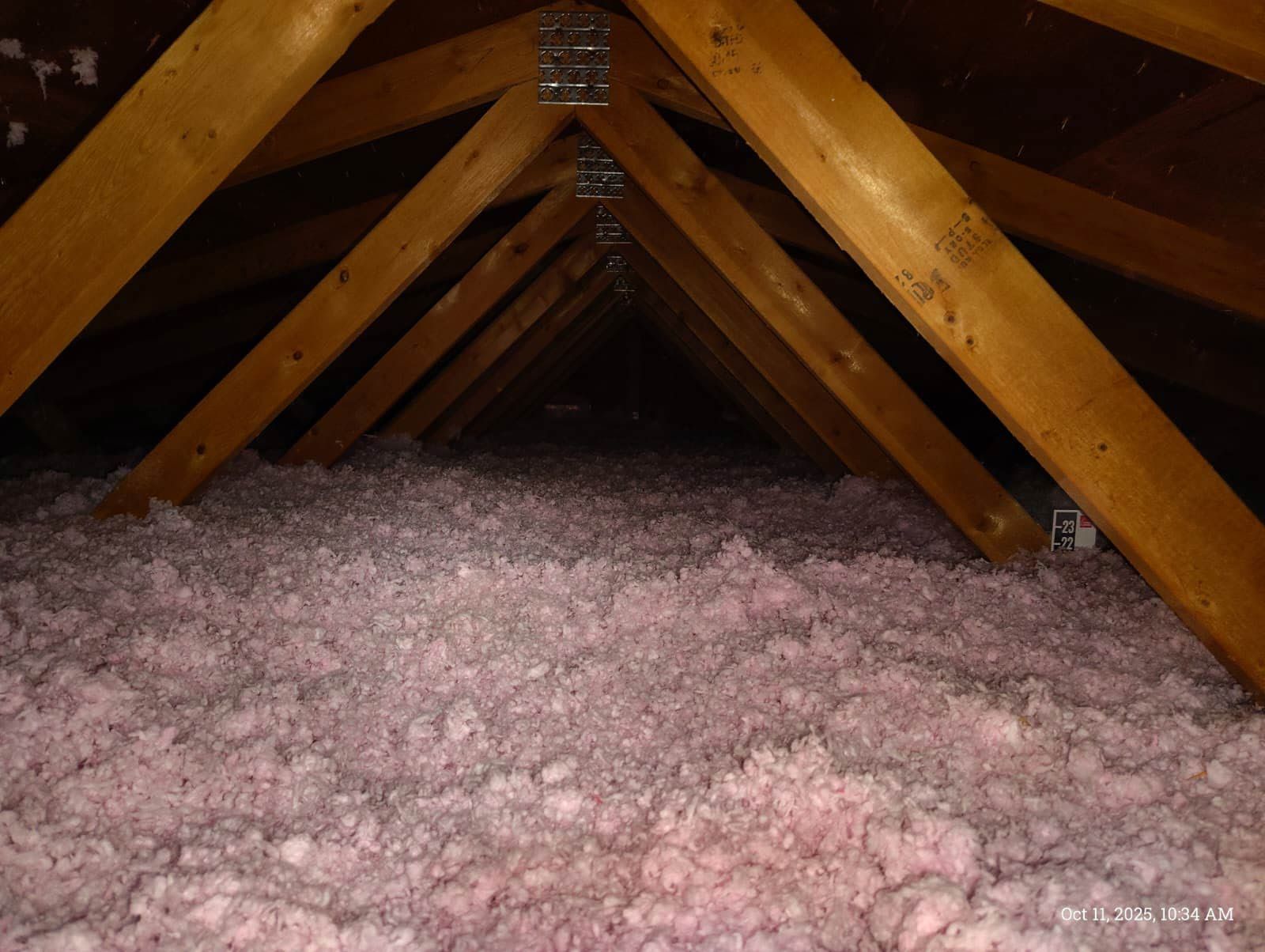
However, if your attic is just a place where you store old holiday decorations and your collection of 90s Beanie Babies, paying for a sealed envelope is often overkill. A traditional vented attic—where attic insulation sits on the floor of the attic rather than the roof—is perfectly efficient when paired with the right amount of blown-in material.
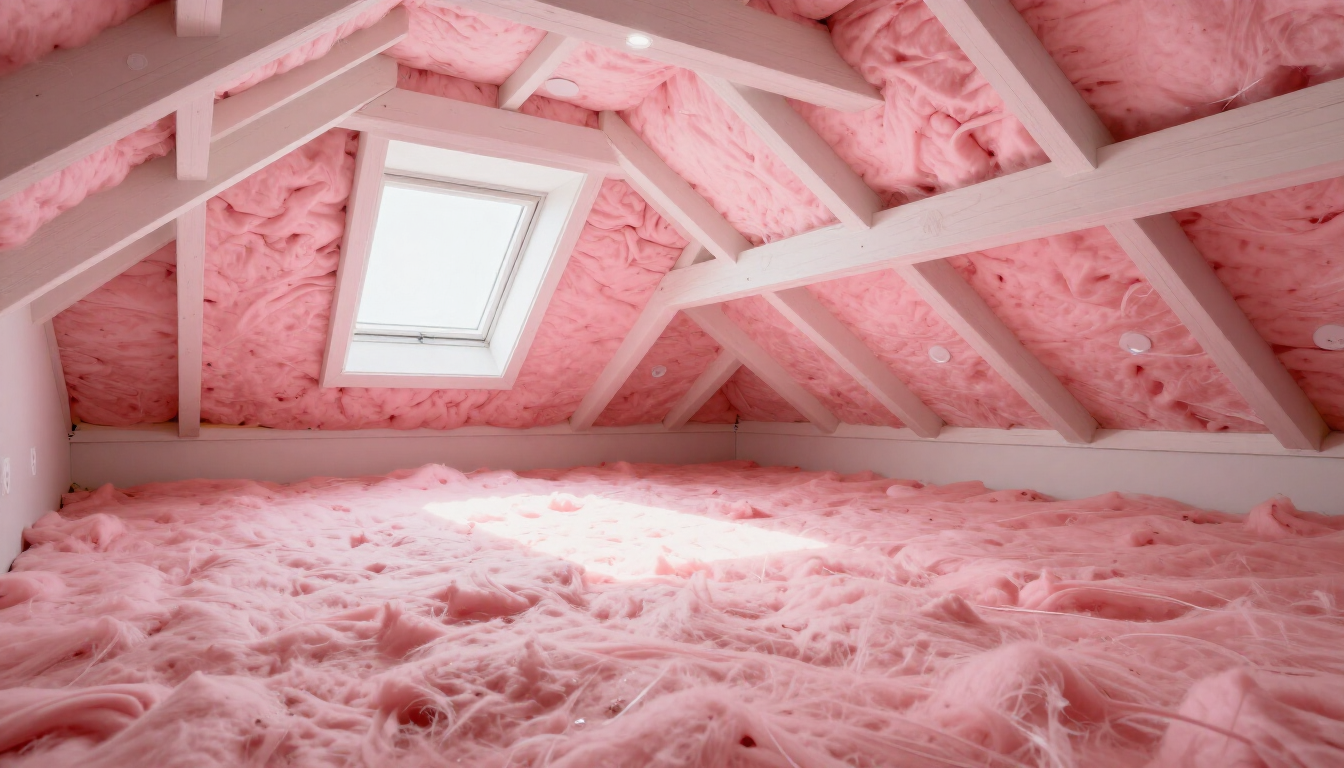
Let’s talk about the R-value per dollar. In the insulation industry, we measure performance by R-value. To reach a standard R-49 or R-60 in a cold climate, you need a certain thickness of material.
- Spray Foam: Expensive per inch, requires professional chemistry.
- Blown-In Cellulose: Cheaper per inch, made from recycled materials.
- Fiberglass Batts: Middle-of-the-road but prone to gaps.
- Blown-In Fiberglass: Excellent coverage and fire resistance.
- Mineral Wool: High fire resistance but higher cost than standard blown-in.
You can reach the same R-60 rating with blown-in insulation for thousands of dollars less than spray foam. While spray foam does provide an air seal that blown-in doesn't (unless you air-seal the floor separately), the cost-to-benefit ratio usually tilts heavily in favor of the blown-in method for most residential budgets.
As a family-owned and operated contractor, we’ve seen decades of construction trends come and go. We have the experience to tell you when a high-end product is a genuine necessity and when it’s just shiny marketing. We specialize in insulation services that prioritize your home's actual needs over a flashy sales pitch. If your attic has a standard pitch and good ventilation, blowing in a thick blanket of cellulose or fiberglass is almost always the smarter financial move.
The hidden costs of spray foam you didn't consider
Beyond the initial quote, there are a few "hidden" factors that make spray foam a more complex decision. For instance, once spray foam is in, it’s in. If you ever need to repair a roof leak, finding the source of that leak through several inches of hardened foam can be a nightmare. In some cases, roofers might even charge more for repairs or replacements because the foam makes their job significantly harder.
There is also the consideration of future flexibility. If you want to add new recessed lighting or run new wiring through your attic floor in five years, doing so through a sea of blown-in insulation is a minor annoyance—you just push it aside. Doing so through hardened spray foam requires a reciprocating saw and a lot of patience.
At Pika Insulation, we believe in transparency. When you contact us for an estimate, you’re talking to the owners, not a management team looking to hit a margin target. We’ll look at your roof structure, your current ventilation, and your budget to give you an honest assessment. Often, we find that a combination of professional air-sealing (using foams or caulks on the attic floor) followed by a generous layer of blown-in insulation provides 95% of the performance of a full spray foam job at about 40% of the price.
Key Takeaways for Home Owners:
- Cost Gap: Spray foam is often 2-3x the price of blown-in alternatives.
- Efficiency: Both can reach the required R-values; blown-in just takes up more physical space.
- ROI: Blown-in insulation typically pays for itself in energy savings much faster than spray foam.
- Best Use: Use spray foam for conditioned attics; use blown-in for standard vented attics.
- The Pika Way: We recommend the solution that fits your specific house, not the most expensive one on the menu.
In summary, while spray foam is a remarkable product for specific high-performance applications, it is rarely the most cost-effective choice for a standard attic upgrade. By choosing blown-in insulation , you are making a financially savvy decision that keeps your home warm, your cooling bills low, and your bank account intact. You don't need to spend like a billionaire to live in a comfortable, energy-efficient home—you just need the right material and an honest contractor who knows the difference. Ready to see how much you can save? About PIKA is where you'll find our story, or you can jump straight to our insulation removal services if your old stuff needs to go first. Give us a call, and let's get your attic back in shape without breaking the bank.
Free Insulation Estimate
We will get back to you as soon as possible.
Please try again later.