Insulation Removal Denver: When Old Insulation Must Be Replaced

The first step is rigorous preparation. We lay down heavy-duty plastic sheeting and protective runners throughout any areas of the home we need to traverse to reach the attic.
The Importance of Air Sealing
Denver Insulation Removal Cost Breakdown
As an experienced insulation professional serving the Front Range, I frequently field questions from local homeowners looking to improve their home's energy efficiency. Many call us seeking the best insulation removal in Denver has to offer because their current materials are failing. They often ask: "Can you just blow new insulation right over the old stuff?"
In a perfect world, the answer would always be yes. Adding a fresh layer of fiberglass or cellulose over existing insulation is a common practice. It is a very cost-effective choice. However, this method only works if your existing material is completely clean and dry.
Unfortunately, many local homes require a complete insulation removal in Denver homeowners can trust before any new material can go in. The old, compromised thermal barrier must be safely extracted to protect your home and your health.
Denver's climate puts a lot of strain on our homes. Heavy winter snows, rapid freeze-thaw cycles, and summer heat subject attics and crawl spaces to extreme conditions. Over decades, these issues degrade your home's thermal seal. In this guide, we will walk you through why old insulation must go. We will cover the clear warning signs of failing insulation and explain what to expect from insulation removal contractors in Denver.
Why Insulation Removal is Sometimes Necessary
Many homeowners are surprised to learn that insulation does not last forever. In fact, damaged insulation can easily transition from a money-saver into a severe health hazard. When managing an insulation removal in Denver project, we usually find a few common issues that make full extraction a must.
Moisture Damage and Mold Growth
Denver roofs often develop heavy ice dams during cold winter months. When water leaks into your attic, materials like fiberglass batts and blown-in cellulose act like giant sponges. Once wet, insulation completely loses its ability to block heat. Worse, trapped moisture creates the perfect breeding ground for toxic mold.
- Health Risks of Mold Spores: Mold in damp cellulose or fiberglass releases airborne spores. These spores can easily slip into your living space. Exposure can trigger severe allergic reactions, asthma flare-ups, and respiratory issues.
- Structural Roof Damage: Wet insulation rots your wooden roof deck and ceiling joists. Without a professional insulation removal team in Denver to clear the wet material, you risk major structural damage.
Rodent and Pest Infestations
Rodents, raccoons, bats, and squirrels frequently seek shelter in warm Denver attics during the winter. They tear up fiberglass to build nests. They also leave behind urine, feces, and dangerous dander.
- Common Colorado Pests: From deer mice carrying Hantavirus to aggressive squirrels, local wildlife treats attics as perfect nesting grounds.
- Decontamination Necessities: Leaving dirty, animal-soiled insulation in place is a massive health hazard. Full extraction and heavy sanitizing are the only safe path forward. If you notice drafts, cold floors, or odors, pests may have also ruined your crawl space insulation. This means you may need a crawl space clean-out and insulation removal services in Denver for your lower levels as well.
Critical 2026 Weather Alert: 2026 has proven to be a highly turbulent, wet year for the Front Range. Late-season spring blizzards and intense rainstorms have pushed local soil moisture to its limit. This has made crawl spaces far more susceptible to water pooling, mold, and pest migrations seeking dry ground. If you have neglected your lower levels,
schedule an insulation removal assessment in Denver today before structural rot takes hold.
Signs Insulation is Contaminated or Failing
If you are searching for "attic insulation removal near me," you are not alone. How do you know when it is time to call for professional help? While an inspection is the best way to tell, watch out for these red flags:
- Unexplained Odors: A persistent musty smell or a sharp ammonia odor is a bad sign. It usually indicates rodent urine in your attic. These smells get worse when your home heats up in the summer.
- Visible Water Damage: Check your ceilings for yellow or brown water stains. If water has stained your drywall, the insulation above it is wet and ruined.
- Spiking Utility Bills: If your heating and cooling costs keep going up, your thermal barrier is failing. Over time, wet or poorly installed insulation settles. This creates empty voids where your indoor air escapes. Investing in quality insulation removal services in Denver can help bring those bills back down.
- Drafts and Temperature Fluctuations: Does your second floor feel like an oven in July and a freezer in January? This is a classic symptom of failing attic insulation. It means it is time to schedule an insulation removal projects in Denver.
How Insulation Removal Works
When you hire top-tier Denver insulation contractors, the process is clean and efficient. We use systematic methods to ensure we extract the old, dirty materials without contaminating your home.
1. Rigorous Site Preparation and Safety Protocols
The first step is preparing your home. We lay down heavy-duty plastic sheeting and protective runners through all areas of the home we need to walk through.
- Personal Protective Equipment (PPE): Our insulation removal crew in Denver wear full respirators and protective suits. This keeps our team safe from mold, fiberglass dust, and rodent diseases.
- Containing the Workspace: We completely seal off the attic hatch. This step prevents toxic dust and debris from blowing into your hallways or bedrooms during the work.
2. Vacuum Extraction for Loose-Fill Materials
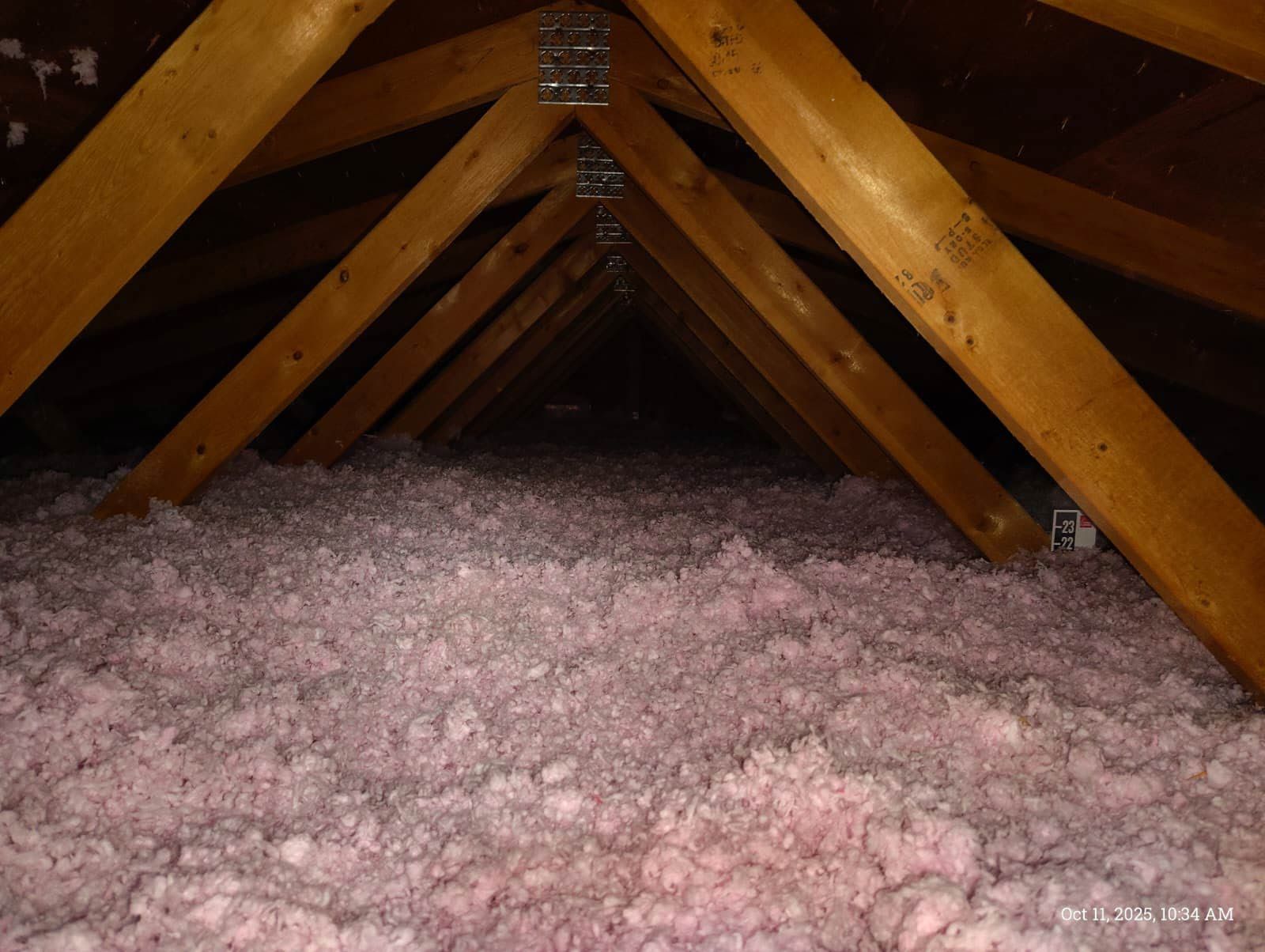
For loose-fill materials like blown-in fiberglass or cellulose, we utilize high-powered, gas-driven vacuums. We park these machines outside. Then, we run long, heavy-duty hoses up to the attic. The vacuum sucks up the old insulation and deposits it directly into sealed bags in our trucks.
3. Manual Extraction for Insulation Batts
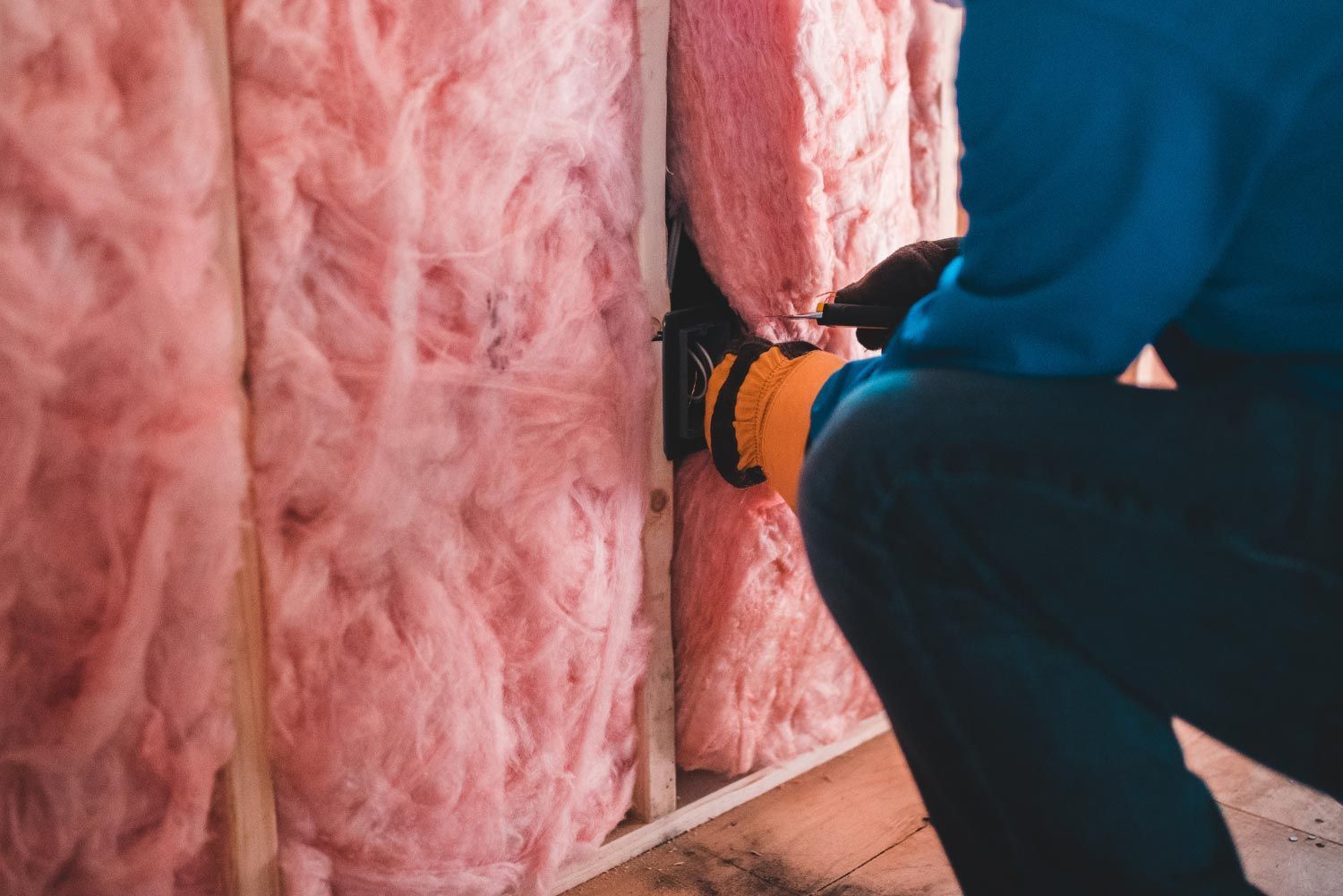
If your attic has old fiberglass batts, we cannot vacuum them. Instead, our technicians carefully roll up the batts by hand. We place them into heavy plastic bags inside the attic before carrying them out. This is a key part of the manual insulation removal process in Denver.
What Happens After Insulation Removal
The best part of an insulation removal on projects in Denver is that it gives you a completely clean slate. For the first time in years, the bare bones of your attic floor and top plates are completely exposed.
The Importance of Air Sealing
Air sealing is just as important as installing the new insulation. We locate every single gap between your living space and the attic. We seal light fixtures, wire holes, and plumbing stacks with expanding foam and fire-rated caulk to stop air leaks.
Upgrading Your Insulation
After air sealing, we install baffles in your vents to ensure proper attic airflow. Finally, we install your brand-new insulation. Depending on your goals, this could be blown-in fiberglass, dense-packed cellulose, or high-performance closed-cell spray foam.
Average Insulation Removal Denver Costs
When homeowners look into these services, cost is naturally a major concern. Understanding what drives the pricing can help you plan your energy upgrade.
Factors Influencing Your Estimate
The price for an insulation removal on projects in Denver varies based on square footage, the material type, and attic access. Low-pitch roofs or complex attic framing require more manual labor. Also, cleaning up heavy pest contamination requires specialized safety gear and disposal, which costs more than extracting clean materials.
Denver Insulation Removal Cost Breakdown
| Service Type | Est. Cost Per Sq. Ft. | Project Description |
|---|---|---|
| Standard Blown-in Removal | $1.50 - $2.25 | Vacuum extraction of loose-fill cellulose or fiberglass. |
| Batt Insulation Removal | $2.00 - $2.75 | Manual bagging and physical removal of old fiberglass batts. |
| Hazardous / Contaminated | $2.50 - $3.50+ | Extensive pest cleanup, animal waste removal, and sanitization. |
| Post-Removal Air Sealing | $0.50 - $1.00 | Sealing all top plates, wire holes, and pipes before new material goes in. |
Note: While the upfront cost for an insulation removal for projects in Denver might seem high, it is a proven investment in your home's health and longevity.
Frequently Asked Questions
Can I remove old attic insulation myself?
We strongly advise against DIY projects. Attics contain hidden hazards like old wiring, low clearance, and airborne toxins. Disturbing old material without industrial vacuums and professional PPE can release mold, pest waste, and fiberglass dust into your home's air supply and HVAC system. It is always safer to hire a professional insulation removal team in Denver.
How long does the insulation removal Denver process take?
For a standard 1,000 to 1,500 square foot home, the physical extraction process takes one full day. If the project requires heavy rodent cleanup, complex air sealing, or hazmat disposal, it may extend into a second day to ensure everything is perfectly clean.
Will my homeowners insurance cover insulation removal?
Standard homeowners insurance does not cover wear, tear, or aging. However, if the damage was caused by a sudden, covered event—like storm damage, a burst pipe, or a major wild animal intrusion—your policy may cover a portion of your insulation removal cost in Denver.
Does old insulation really cause poor indoor air quality?
Yes, absolutely. Because of the "stack effect," air rises from your basement or crawl space and vents out through the attic. Pressure shifts can draw dirty attic air downward. If your attic insulation is full of mold spores or pest waste, these pollutants will migrate into your living space. Getting professional insulation removal services in Denver keeps your family breathing clean air.
A Healthy Home Starts from the Top Down
If you suspect your home is suffering from degraded, damp, or contaminated materials, do not wait.
Visit our
contact us page to schedule a comprehensive evaluation of your home. Give your property the clean, fresh start it deserves with the leading
insulation removal in Denver has to offer!
Free Insulation Estimate
We will get back to you as soon as possible.
Please try again later.