Best Insulation for Colorado Homes: Spray Foam, Fiberglass, or Cellulose?

As a home insulation expert operating right here in the Centennial State, I am frequently asked one pivotal question by homeowners.
"What is the absolute best insulation for Colorado homes?"
It is a completely fair and important question, especially given our unique and unforgiving climate. From the blistering, dry summer heat of the Front Range to the sub-zero winter freezes in the foothills, maintaining a comfortable and energy-efficient living space requires far more than just a basic HVAC system.
It demands a robust, scientifically sound whole home insulation strategy. At PIKA Insulation, my team and I have spent years evaluating, installing, and observing how different thermal materials perform under extreme Rocky Mountain conditions.
Are you actively searching for the best insulation for attic spaces or looking to retrofit your exterior walls? Perhaps you are simply trying to upgrade your basement insulation to silence a noisy downstairs space.
Whatever your goal, understanding the nuances between
spray foam,
fiberglass insulation, and
cellulose insulation is critical to your home's health. In this comprehensive educational guide, I will break down the building science, pros, cons, and specific benefits of each major material so you can confidently choose the best insulation for Colorado homes.
Why Home Insulation Matters in Colorado's Climate
Colorado's climate is notoriously unpredictable. We experience intense solar radiation at our high altitudes. Rapid 40-degree temperature swings in a single afternoon and heavy, wet snowfall can wreak havoc on poorly insulated roofs.
Proper home insulation acts as a protective thermal envelope, essentially serving as a high-performance thermos for your living space. In the winter, premium whole home insulation keeps your expensive furnace heat trapped inside.
This prevents it from radiating out through your walls and roof. In the summer, effective whole home insulation prevents the sun's intense radiant heat from baking your upper floors. It also keeps you from overworking your central air conditioning unit.
Beyond simple physical comfort and lowering utility bills, upgrading your home insulation is fundamentally about protecting your home's structural integrity. Poor coverage in your upper levels paired with inadequate ventilation is the primary leading cause of ice dams.
If you want to avoid these catastrophic and costly damages, choosing the right material for the job is non-negotiable. This is why investing in high-quality attic insulation historically yields one of the highest returns on investment for Colorado homeowners.
Spray Foam Insulation: Pros and Cons
Spray polyurethane foam (SPF) has completely revolutionized the residential whole home insulation industry over the last two decades. It is applied as a heated liquid that rapidly expands into a thick foam.
This process permanently fills every crack, crevice, and wall cavity. There are two main categories: open-cell and closed-cell. In Colorado's climate, closed-cell spray foam insulation is particularly prized due to its incredible density, rigid structure, and built-in vapor barrier capabilities.
Pros of Spray Foam:
- Unmatched Air Sealing: Unlike traditional fibrous materials like cellulose insulation or fiberglass insulation, spray foam expands to actively seal microscopic gaps.
- Highest R-Value: Closed-cell spray foam boasts an impressive R-value of roughly R-6.5 to R-7.0 per inch, making it a powerful upgrade.
- Moisture and Mold Resistance: Closed-cell foam does not absorb water and acts as a vapor retarder, which is vital for long-term home protection.
Cons of Spray Foam:
- Premium Cost: Spray foam is significantly more expensive upfront compared to standard fiberglass insulation or cellulose insulation options.
- Professional Installation Exclusively: This requires specialized high-pressure proportioning equipment and is strictly not a DIY project.
Fiberglass Insulation: Pros and Cons
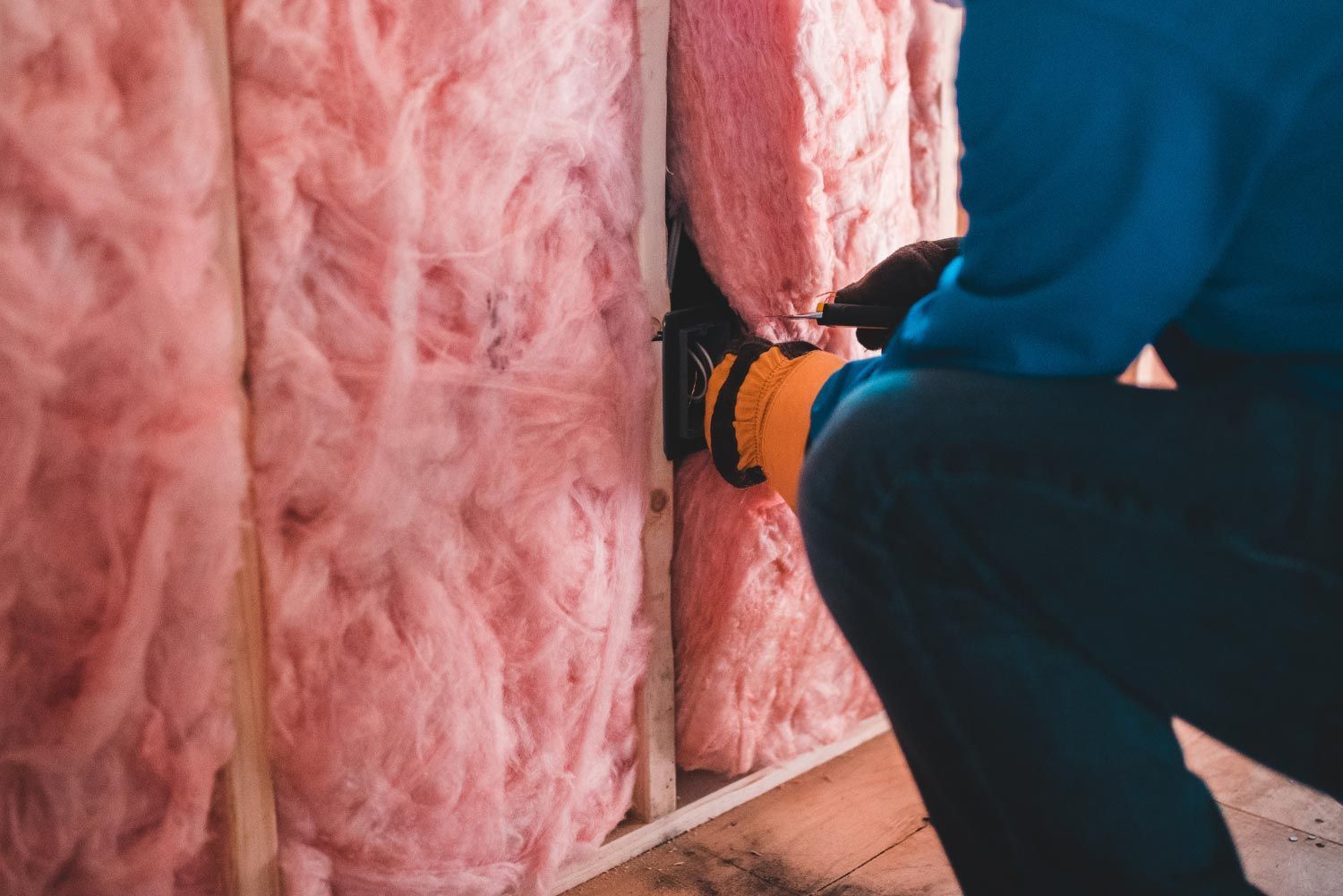
When most people picture home insulation, they visualize the fluffy, pink, cotton candy-like rolls of fiberglass insulation. Made from extremely fine spun glass fibers, fiberglass insulation has been the undisputed industry standard for decades.
It comes in two primary forms: batts (pre-cut rolls) and loose-fill (blown-in chunks).
Pros of Fiberglass Insulation:
- Highly Cost-Effective: Fiberglass insulation remains one of the most budget-friendly thermal options on the market.
- Supreme Versatility: Traditional batt insulation made from fiberglass is easily and quickly installed in open wall cavities, floors, and ceilings.
- Fire Resistant: Naturally non-combustible due to its glass composition, fiberglass insulation inherently adds a layer of fire safety to your whole home insulation.
Cons of Fiberglass Insulation:
- High Air Permeability: Fiberglass insulation traps heat, but it does not effectively stop airflow or drafts.
- Moisture Vulnerability: If fiberglass insulation gets wet from a hidden roof leak, it instantly loses its fluffy loft and its insulating properties.
- Settling and Compression: Over time, blown-in fiberglass insulation can settle, requiring top-offs to maintain optimal performance.
Cellulose Insulation Benefits
Cellulose insulation is often the unsung hero of the home insulation world. It is particularly beloved by eco-conscious homeowners across the state.
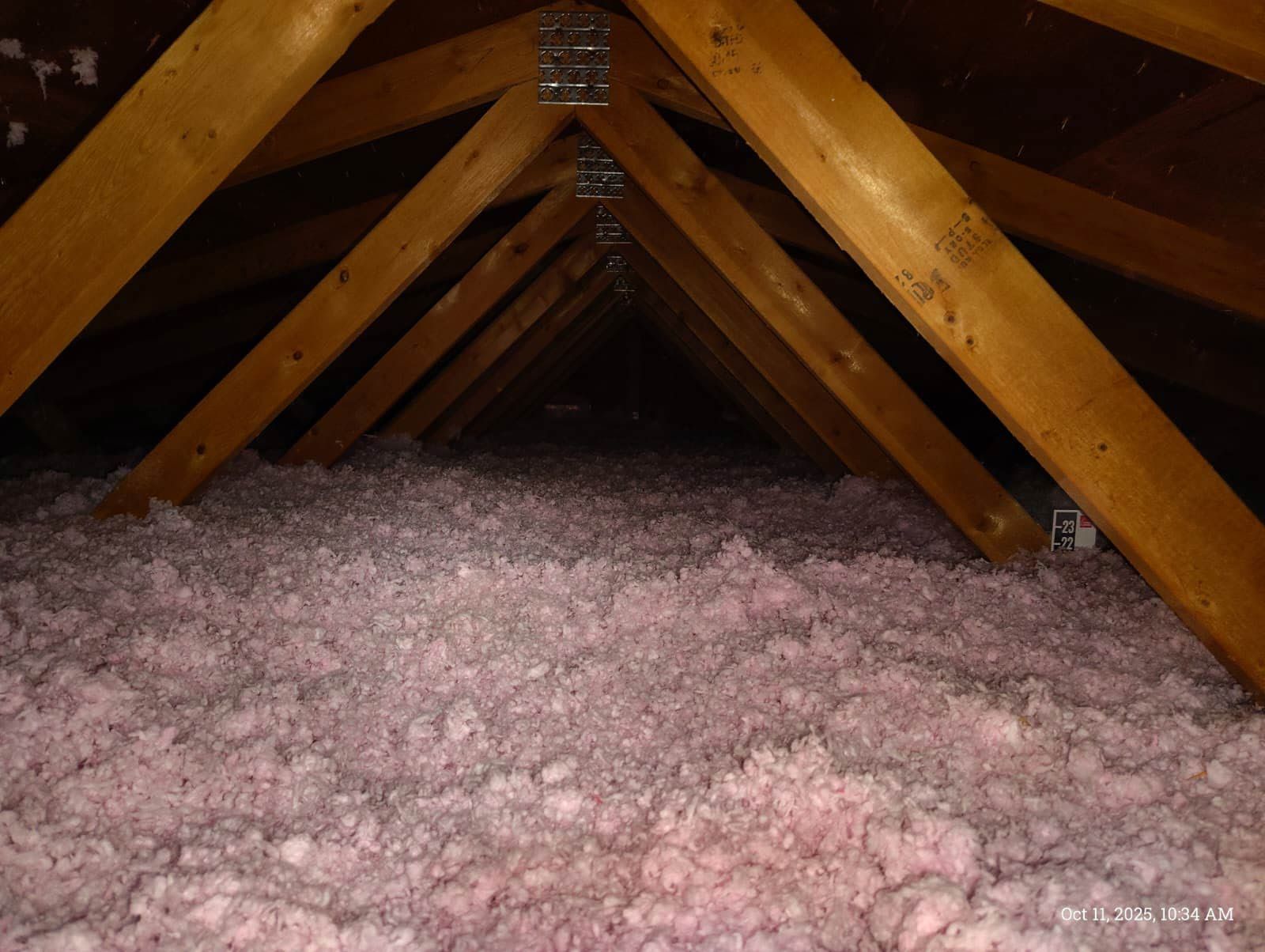
Made from 75% to 85% recycled paper fiber heavily treated with borate, cellulose insulation is most commonly used as a highly effective blown-in material.
Benefits of Cellulose Insulation:
- Extremely Eco-Friendly: By utilizing recycled materials, cellulose insulation has one of the lowest carbon footprints of any building product used in whole home insulation.
- Superior Density and Air Blocking: Blown-in cellulose insulation is substantially denser than blown-in fiberglass insulation, significantly slowing down convective airflow.
- Exceptional Pest and Fire Deterrent: The natural borate treatment makes cellulose insulation highly resistant to flame spread and highly abrasive to insects.
- Perfect for Non-Invasive Retrofits: For older brick homes lacking proper exterior wall protection, blown-in insulation like cellulose insulation can be "dense-packed" into closed walls through tiny drilled holes.
Insulation Material Comparison
To help you easily compare these core options for your upcoming whole home insulation project, I have compiled this expert quick-reference table:
Colorado Home Insulation Materials Compared
| Feature | Closed-Cell Spray Foam | Fiberglass Insulation | Cellulose Insulation |
|---|---|---|---|
| R-Value Per Inch | R-6.5 to R-7.0 | R-2.2 to R-3.8 | R-3.2 to R-3.8 |
| Air Sealing | Excellent (Total barrier) | Poor (Allows wind washing) | Good (Dense pack slows air) |
| Moisture Resistance | Excellent (Waterproof) | Poor (Loses R-value when wet) | Moderate (Can absorb water) |
| Eco-Friendliness | Low (Petrochemical based) | Moderate (Recycled glass) | High (Recycled paper) |
| Relative Cost | Premium / Highest | Low / Budget-Friendly | Moderate |
Which Insulation Works Best for Denver Homes?
Determining the absolute "best" material for your home insulation is rarely a simple, one-size-fits-all answer. For many homeowners in the Front Range, the optimal whole home insulation strategy often involves a hybrid approach.
This intelligently balances peak performance with your remodeling budget. If you are specifically looking for the best insulation for attic upgrades on a more moderate budget, I highly recommend a "Flash and Batt" strategy.
In this method, we apply a thin layer of closed-cell spray foam directly to the attic floor. We then cover that foam with a thick layer of budget-friendly blown-in cellulose insulation or fiberglass insulation.
This hybrid strategy gives you the critical airtight performance of premium foam, plus the cost-effective bulk of traditional materials. It is widely considered the best insulation for Colorado homes where budget and maximum efficiency must perfectly meet.
Frequently Asked Questions (FAQ)
What is the best insulation for attic spaces in Colorado?
The absolute best insulation for attic areas depends heavily on your budget and existing ventilation setup. Blown-in cellulose insulation is excellent for adding high R-value over existing materials. However, a hybrid approach using spray foam and fiberglass insulation often yields the most effective results for a long-term upgrade.
How much does whole home insulation cost?
Whole home insulation costs vary widely based on your home's square footage and the specific materials chosen. Spray foam is the most expensive, while fiberglass insulation and cellulose insulation are highly affordable.
Can I mix different types of home insulation?
Absolutely. It is industry best practice to combine materials to maximize your whole home insulation efficiency. Experts routinely use rigid spray foam for drafty rim joists while utilizing blown-in fiberglass insulation or cellulose insulation for bulk coverage.
Does upgraded whole home insulation help in the summer?
Yes! Home insulation works in both directions. Proper whole home insulation creates a thermal shield that keeps the blistering summer radiant heat out. This dramatically reduces the strain on your air conditioning unit.
Conclusion
Upgrading your thermal envelope is a foundational step in creating a comfortable, durable, and hyper energy-efficient home in Colorado.
Whether you ultimately opt for the premium sealing power of spray foam, the budget-friendly reliability of fiberglass insulation, or the eco-friendly density of cellulose insulation, professional installation is key. It is the only way to maximize your whole home insulation investment.
Ready to put an end to drafty rooms and discover the best insulation for Colorado homes?
Contact the experts at
PIKA Insulation today. We will provide a comprehensive consultation tailored strictly to the unique home insulation needs of your property.