Fiberglass Insulation Denver: Cost, R-Values, and Installation

Denver homeowners know that a well-insulated home is the difference between comfortable winters and skyrocketing energy bills. Fiberglass insulation remains one of the most popular choices in the Mile High City because it is cost-effective, fire-resistant, and widely available. But not every contractor installs it the same way. The key to getting real results lies in how the insulation is put in and what is done before the first bag is opened.
Why PIKA’s Fiberglass Installation Is Different: Air Sealing Comes First
Many insulation crews show up, blow in material, and leave. That approach wastes money because fiberglass stops heat transfer but does not stop air movement. If your attic or walls have gaps around pipes, wires, or framing, conditioned air will leak right past the insulation. PIKA Insulation takes a different route. Every job starts with a thorough air sealing pass. We close up those hidden pathways with caulk and foam so that the fiberglass can do what it is designed to do: slow down heat flow. Without air sealing, even the highest R-value insulation will underperform.
Air sealing is especially important in Denver’s older neighborhoods. Homes in Wash Park, Baker, and Capitol Hill were built long before modern building codes. They have gaps that let in cold winter drafts. By sealing the building envelope first, PIKA ensures that your new
fiberglass insulation works at peak efficiency. This step can reduce your energy bills by as much as 20 to 30 percent compared to simply adding insulation over existing leaks.
Blown-In vs. Batts: Where Each Type Belongs in Denver Homes
Blown-In Fiberglass Insulation
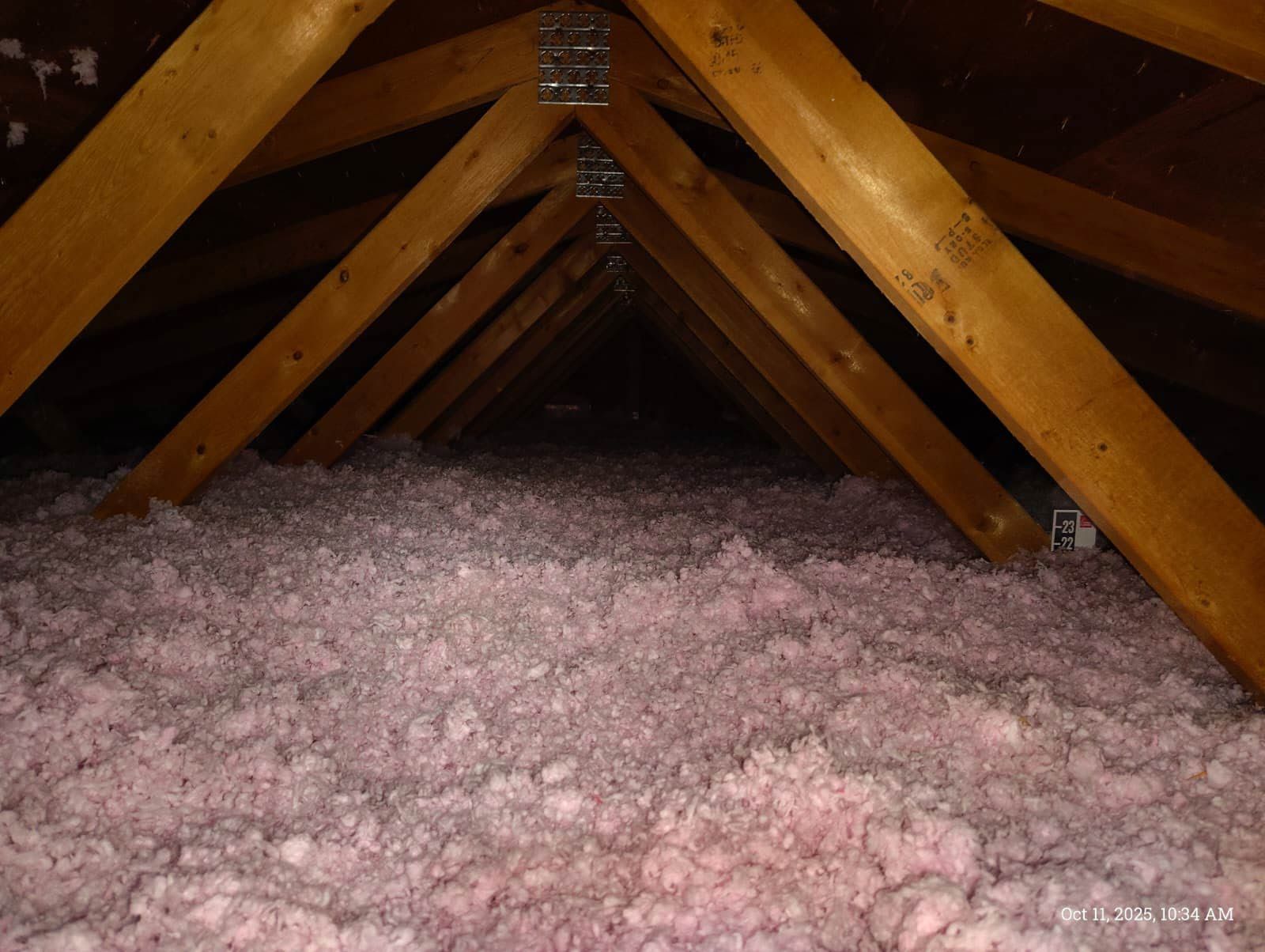
Blown-in fiberglass (loose fill) is the right choice for attics and hard-to-reach spaces. A machine chops and fluffs the material, then blows it into the cavity to a uniform depth. This method fills around obstructions like wiring, ductwork, and recessed lights without leaving voids. For Denver attics, where code requires R-49 to R-60, blown-in fiberglass is a fast and cost-effective way to meet those levels. It can also be used in retrofit wall applications, though that requires drilling access holes from the outside.
Fiberglass Batts
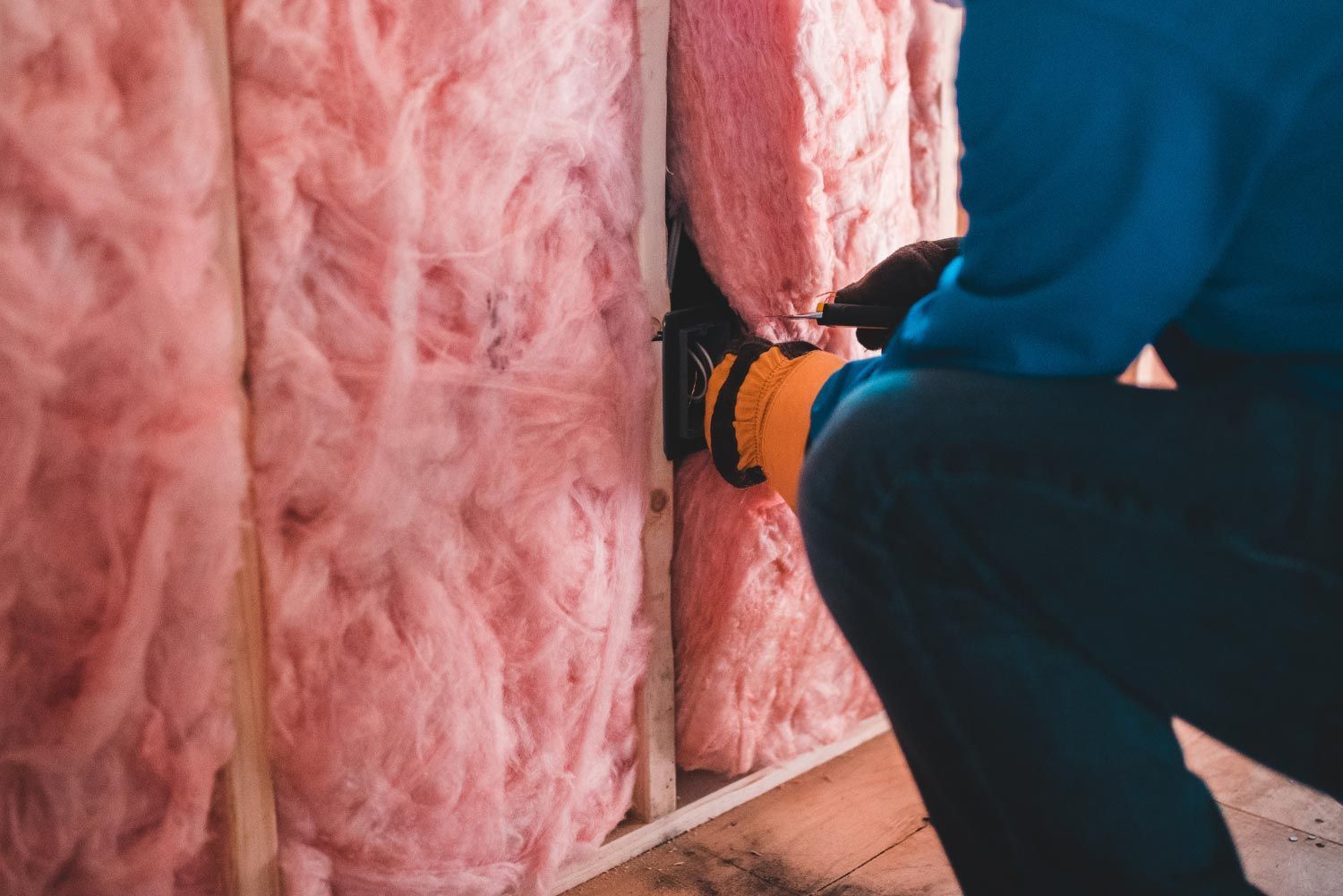
Batts are pre-cut blankets of fiberglass that fit between standard stud and joist cavities. They are most often used in new construction or during major renovations when walls are open. Batts work well in walls that have consistent cavity depths and no major obstructions. In a retrofit situation, batts are less practical because getting them into closed walls is difficult. For a Denver home with open framing, batts provide a reliable R-13 to R-20 depending on cavity thickness.
Both types of fiberglass are available locally from suppliers like SPI-CO, which stocks brands such as Knauf, Johns Manville, and Owens Corning. The choice between blown-in and batts depends on your home’s construction and whether you are insulating an attic, wall, or floor.
Transparent Cost Section: What Fiberglass Insulation Costs in Denver
Price is a major factor for most homeowners, and we believe in being upfront. For a typical 2,000‑square‑foot Denver attic, fiberglass insulation installation runs between $1,500 and $4,000. That range includes both material and labor. The final number depends on the R-value you need, the existing insulation that must be removed, and the complexity of the attic layout. Wall insulation costs vary more widely because each cavity is different, and older homes often have irregular framing. PIKA provides a detailed, itemized estimate before any work begins, so you know exactly what you are paying for.
It is important to remember that skimping on insulation to save a few hundred dollars can cost you much more in energy waste over time. Denver’s Climate Zone 5 requires attic R-values of R-49 to R‑60, and walls need R-13 to R-20. Meeting or exceeding those numbers is the only way to keep your heating and cooling bills under control.
Signs Your Denver Home Needs Better Fiberglass Insulation
If you are reading this, you probably suspect your insulation is not doing its job. Here are the most common signs that your Denver home needs a fiberglass upgrade:
- High energy bills that keep climbing, especially in summer and winter.
- Rooms that are noticeably colder in winter or hotter in summer, even with the HVAC running.
- Drafty spots near windows, doors, or along baseboards.
- Ice dams forming on the roof in winter, indicating heat is escaping through the attic.
- Uneven temperatures from one room to the next.
- Visible gaps or settling in your existing attic insulation.
If any of these sound familiar, a professional inspection can pinpoint the problem. PIKA offers a free, no‑obligation evaluation to measure existing R-values and check for air leaks.
The PIKA Process Step by Step
We do not believe in shortcuts. Here is how a typical fiberglass insulation project with PIKA unfolds:
- Free evaluation: One of our local crew members visits your home, inspects the attic and walls, measures current insulation depths, and identifies air leaks.
- Air sealing: Before any new insulation goes in, we seal gaps, cracks, and penetrations with caulk and expanding foam. This step is critical for stopping drafts.
- Old insulation removal (if needed): If your existing insulation is wet, pest‑damaged, or badly settled, we remove and dispose of it properly.
- Fiberglass installation: We install blown-in or batt fiberglass to the specified R-value, ensuring even coverage and proper depth. We take care around recessed lights, exhaust fans, and wiring.
- Cleanup and inspection: We bag and remove all debris, then walk through the finished space with you to make sure everything meets your expectations.
Why Denver Homeowners Choose PIKA
You have plenty of insulation contractors to pick from in Denver. Here is why homeowners in neighborhoods like Washington Park, Park Hill, Baker, Highlands, and Capitol Hill trust PIKA:
- Local crew, no subcontractors: The people who show up at your door are PIKA employees, not hired‑out crews. We train them, we pay them, and we stand behind their work.
- Denver neighborhood knowledge: We have insulated hundreds of homes in Wash Park bungalows, Park Hill Tudors, Baker Victorians, Highlands ranches, and Capitol Hill apartments. We know the common framing styles, attic access challenges, and insulation quirks of each area.
- Air sealing focus: Our approach is not just about blowing in material. We seal the envelope first, which makes the fiberglass work harder and saves you more money.
- Transparent pricing: No hidden fees, no bait‑and‑switch. We give you a price up front and stick to it.
Frequently Asked Questions
This is paragraph text. Click it or hit the Manage Text button to change the font, color, size, format, and more. To set up site-wide paragraph and title styles, go to Site Theme.
Are there rebates for fiberglass insulation in Denver?
Yes, Xcel Energy offers rebates for fiberglass insulation projects in Denver. The exact amount depends on the R‑value you install and whether the work is performed by a participating contractor. PIKA can help you determine eligibility and submit the paperwork.
What R-value does Denver building code require for fiberglass insulation?
Denver is in Climate Zone 5. The code mandates attic insulation of R‑49 to R‑60 and wall insulation of R‑13 to R‑20. Fiberglass batts and blown‑in fiberglass can achieve these levels when installed correctly.
How much does fiberglass insulation cost for a typical Denver attic?
For a 2,000‑square‑foot attic, you can expect to pay between $1,500 and $4,000. Costs vary based on existing insulation removal, the R‑value chosen, and the attic’s layout. PIKA provides a free evaluation to give you an exact quote.
How long does fiberglass insulation installation take?
Most attic jobs take one to two days. Wall insulation can take longer if drilling and patching are needed. PIKA will give you a timeline during the initial evaluation.
Get Your Free Evaluation Today
You do not have to guess whether your home’s fiberglass insulation is working. PIKA Insulation offers a free, no‑pressure evaluation for Denver homeowners. We will inspect your attic and walls, measure current R‑values, and explain what your home needs.
Our crew serves Denver and surrounding suburbs with the same local care we give to neighborhoods like Wash Park, Park Hill, Baker, Highlands, and Capitol Hill. To schedule your free evaluation, call PIKA Insulation or visit our contact page.
We also offer
attic insulation,
spray foam insulation, and a full range of
insulation services for your home.