Insulation Removal Denver – Clear Out Old Insulation for Real Energy Savings

Denver homeowners know the value of good insulation. It keeps winter cold at bay and summer heat outside where it belongs. But what happens when that insulation gets old, dirty, or damaged? Simply blowing new material on top is not always the answer. In many older Denver homes, the existing insulation has lost its R-value, harbors contaminants, or even contains materials that should not stay in place. That is where professional insulation removal comes in. By taking out the old, you give new insulation a clean slate to work the way it should.
Insulation removal in Denver is not a do-it-yourself task for most homeowners. It requires specialized equipment, safety gear, and knowledge of how different insulation types behave when disturbed. Whether you live in a bungalow in Washington Park or a Victorian in Capitol Hill, understanding when and why to remove old insulation can save you money and keep your home comfortable for years to come.
Why Remove Old Insulation
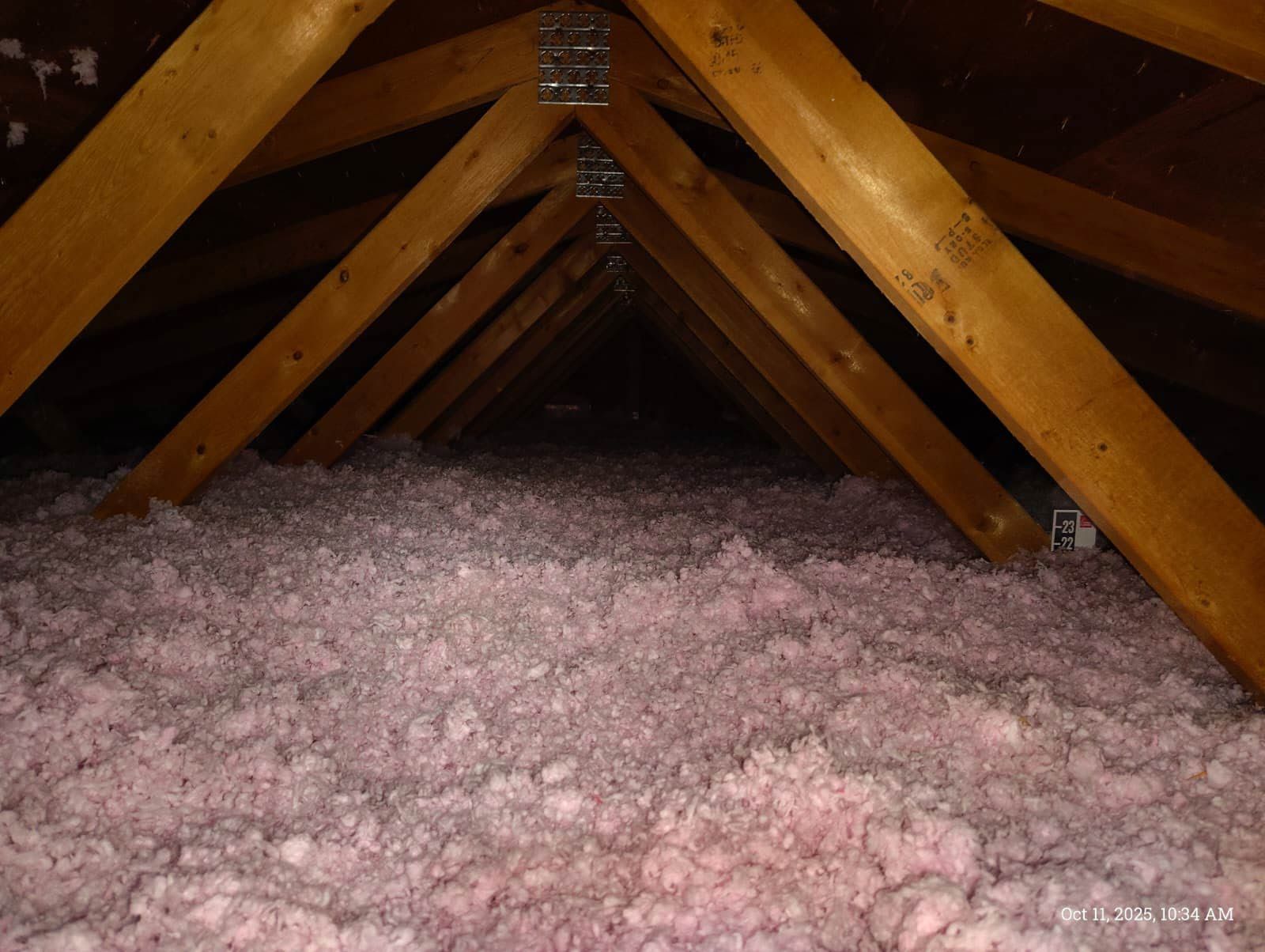
Insulation does not last forever. Over time it settles, compresses, and loses its ability to trap air. Moisture from roof leaks or poor ventilation can turn fiberglass batt into a soggy mess that conducts heat instead of blocking it. Rodents and insects sometimes nest in attic insulation, leaving droppings and urine that create odors and health concerns. And in Denver’s older homes, insulation installed decades ago might contain asbestos or other materials that are best removed by trained professionals.
When you add
new insulation over old, deteriorated material, you risk trapping moisture, reducing the effective R-value, and making future problems harder to detect. Removal gives your attic or crawl space a fresh start. It allows the insulation contractor to inspect the area for air leaks, damage, and structural issues before installing new insulation that will perform at its rated efficiency.
Signs Your Insulation Needs Removal
Several clear indicators suggest it is time to consider insulation removal. Rising energy bills despite routine HVAC maintenance often point to failing insulation. Drafts in rooms directly below the attic insulation, or cold floors in winter, can mean the insulation beneath is no longer doing its job. Visible damage such as water stains, mold growth, or sagging batts are strong reasons to remove and replace. Pest droppings, nests, or a musty smell coming from the attic are also red flags.
If your home was built before the 1980s and has never had its insulation replaced, there is a good chance the original material has significantly degraded. iFOAM of Greater North Denver lists aging insulation, moisture, ice dams, drafts, and pest infestations as common reasons homeowners call for removal and replacement.
Types of Insulation and Their Lifespans
Not all insulation ages the same way. According to iFOAM, batt and fiberglass insulation typically lasts 7 to 10 years before losing effectiveness. Cellulose, which is made from recycled paper products, performs well for 10 to 15 years. Spray foam insulation has a much longer lifespan, rated at 80 to 100 years when properly installed. These figures explain why many Denver homes built 20 or 30 years ago are ready for an insulation upgrade.
Because different insulation types break down at different rates, knowing what is currently in your attic helps you plan. A simple inspection by a local contractor can identify the material and its condition. If the insulation is old fiberglass batts that are compressed, dirty, or damp, removal is typically the best route. If it is spray foam that is still intact and not damaged by moisture, encapsulation may be sufficient without removal.
The Insulation Removal Process in Denver
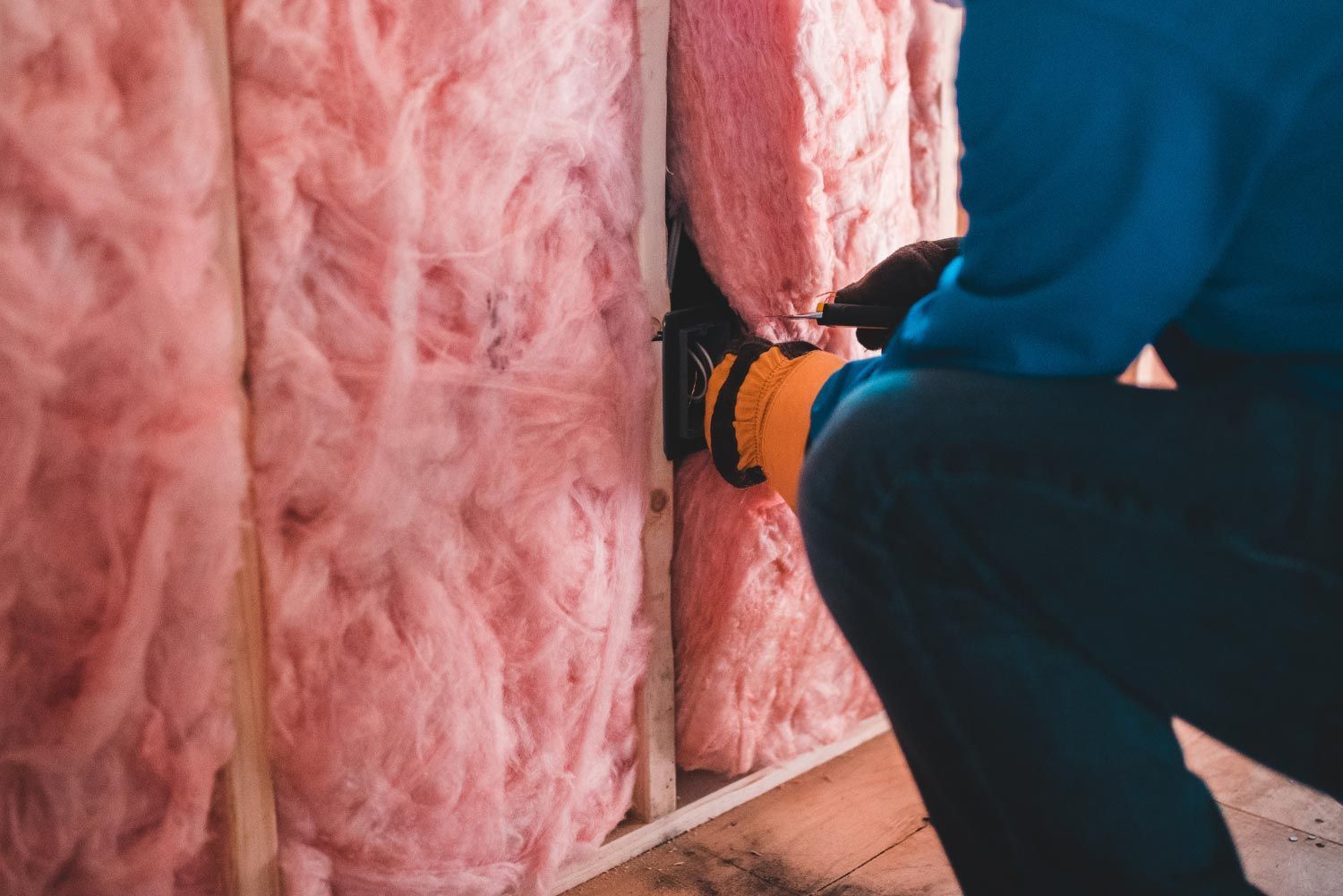
Professional insulation removal uses specialized equipment to extract old material quickly and with minimal dust. Companies like AtticWise use a high-powered vacuum system with a large-volume filter bag. This setup pulls old insulation out of the attic and directly into sealed containers, reducing airborne particles. iFOAM employs methods such as vacuuming, scraping, or cutting depending on the type and condition of the insulation. Project X uses professional suction methods and includes proper safety gear and disposal as part of their service.
The process generally starts with an inspection to determine the insulation type and check for hazards. Workers set up containment to prevent dust from moving into living spaces. They then use vacuum hoses or mechanical scrapers to remove the material systematically. Once the attic or crawl space is empty, the crew air-seals gaps around pipes, ducts, and wiring before
new insulation is installed. Proper disposal follows local waste regulations, ensuring old material does not end up in landfills without authorization.
Safety Considerations During Removal
Old insulation can be hazardous. AtticWise notes that materials may contain asbestos or older fiberglass products that produce harmful dust. Project X warns that dust and particles released during removal can damage lungs if inhaled. Professionals wear respirators, gloves, and protective suits to prevent contact. They also use HEPA-filtered vacuums to capture microscopic particles that would otherwise circulate through the home.
Homeowners should never attempt insulation removal without proper training and equipment. Disturbing old insulation can release decades worth of accumulated dust, mold spores, and chemical residues. A licensed Denver insulation contractor knows how to test for hazards, contain the work area, and dispose of materials according to local regulations. That peace of mind is worth the cost of hiring a professional.
Choosing a Professional for Insulation Removal in Denver
Denver has several experienced insulation contractors that offer removal services. Mucilli Brothers Insulation has been operating in the area since 1973, giving them decades of familiarity with local housing stock. Project X specializes in removing any type of old insulation, with disposal included in the estimate. iFOAM of Greater North Denver provides removal and replacement as a combined service. AtticWise also offers removal using high-powered vacuum equipment.
When comparing contractors, ask about their removal methods, safety protocols, and whether disposal is included. Find out if they inspect for air leaks and perform air sealing before installing new insulation. A good contractor will give you a clear estimate of the work required and explain why removal is recommended in your specific situation. Since insulation removal is not always necessary, you want a company that provides honest advice based on the condition of your home.
What to Expect After Removal
Once the old insulation is out, the attic or crawl space should be clean and ready for new material. The contractor may recommend air sealing to close gaps that allow conditioned air to escape. New insulation is then installed according to current R-value recommendations for Denver’s climate. Your energy bills should drop noticeably, and rooms that were once drafty will feel more comfortable. Many homeowners also notice reduced noise from outside and fewer temperature fluctuations between floors.
If your old insulation had moisture problems, the contractor may also address ventilation issues or recommend a vapor barrier. Addressing these root causes prevents the new insulation from suffering the same fate. A thorough removal and replacement job can improve your home’s performance for years to come.
Frequently Asked Questions
How often should insulation be replaced in Denver?
Most insulation loses effectiveness after 15 to 20 years, but specific types wear out faster. Batt and fiberglass insulation may need replacement every 7 to 10 years, while cellulose lasts 10 to 15 years. Spray foam can last 80 to 100 years. Regular attic inspections help you decide when removal is needed.
Can old insulation contain hazardous materials?
Yes. Homes built before the 1980s may have insulation containing asbestos or older fiberglass products that release harmful dust. Professional contractors test for hazards and follow safety protocols to protect themselves and your home during removal. Never disturb old insulation without knowing what is inside.
Is insulation removal a DIY job?
Insulation removal involves heavy equipment, dust control, and potential exposure to hazardous materials. Most Denver homeowners should hire a licensed contractor with proper vacuums and safety gear. DIY removal risks lung damage and improper disposal, and it may not achieve the thoroughness needed for new insulation to perform well.
Do I need to remove old insulation before adding new?
Not always, but removal is often recommended if the old insulation is wet, contaminated, compressed, or badly degraded. Adding new insulation over damaged material can trap moisture and reduce overall performance. A contractor can inspect and advise whether removal will give you the best results.
Insulation removal in Denver is a smart investment when your home’s existing material has passed its prime. By clearing out the old, you allow new insulation to work at its full potential. Lower energy bills, better comfort, and a healthier home are the payoff.
Whether your attic holds decades-old fiberglass batts or crumbling cellulose, a professional removal service can prepare your home for the next chapter of energy efficiency.
Contact our team if you have any questions.