Air Sealing and Insulation in Denver: The Key to Maximum Energy Efficiency

For homeowners in the Front Range, extreme temperature fluctuations demand a resilient building envelope, a standard meticulously maintained by PIKA Insulation.
Achieving optimal indoor comfort requires more than just a robust HVAC system. It requires a comprehensive approach to your home's thermal boundaries.
This is where the critical combination of air sealing and insulation comes into play. While many recognize the need for home insulation Denver, a significant number overlook the necessity of air sealing services.
This guide explores the science behind energy loss and the benefits of professional air sealing services. Tackling both aspects simultaneously is the definitive key to maximum energy efficiency.
High-quality air sealing is the best way to support your home insulation Denver investment and ensure your property remains comfortable year-round.
What Air Sealing Is
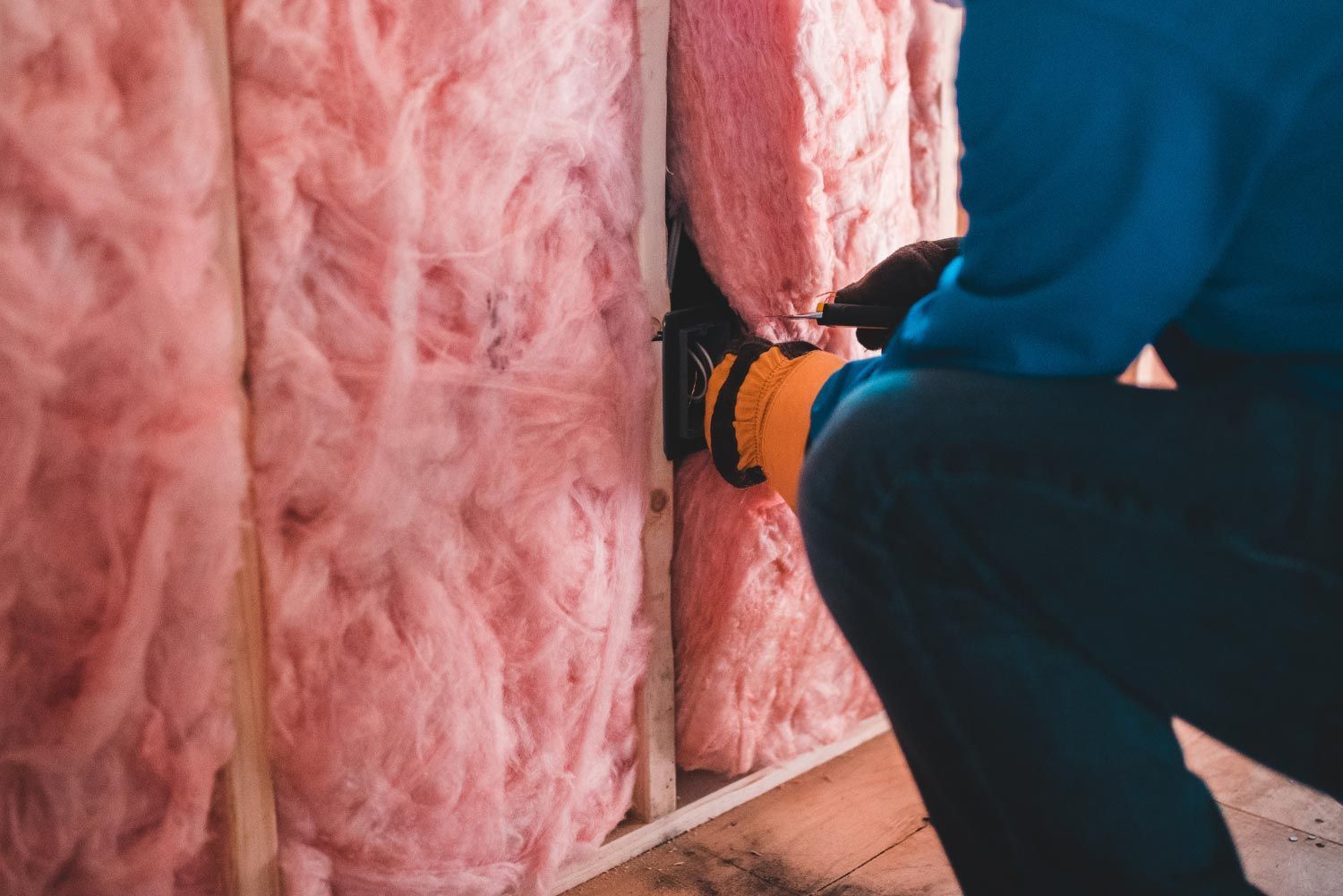
Air sealing is the systematic process of finding and closing gaps, cracks, and holes in a home's building envelope.
This envelope acts as the physical separator between the conditioned indoor environment and the unconditioned outdoor elements. Penetrations occur naturally due to building settling, intersecting construction materials, and utility installations.
Professionals use specialized materials like expanding polyurethane foam and high-grade caulking to establish a continuous air barrier. Investing in comprehensive air sealing services effectively stops the unmanaged flow of air.
This controlled environment stabilizes indoor temperatures. It also vastly improves indoor air quality by preventing outdoor allergens, dust, and moisture from infiltrating your living spaces.
Proper air sealing dictates the building science principle to "build tight and ventilate right," ensuring your home insulation Denver project delivers its full potential.
Why Insulation Alone Is Not Enough
A pervasive myth in home improvement is that adding more insulation will automatically cure a drafty house.
To understand why this is a misconception, you must know the difference between thermal resistance and air permeability. Insulation materials are rated by their R-value, which measures resistance to conductive heat flow.
However, many traditional insulation types are highly air-permeable. Consider the classic "wool sweater and windbreaker" analogy. If you wear a thick wool sweater on a freezing, windy day, the wind will slice right through the porous knit.
It strips away your body heat despite the thick insulating layer. However, if you wear a thin, impermeable windbreaker over that sweater, the wind is blocked. Now, the wool can effectively trap your body heat.
In your home, insulation acts as the wool sweater. Air sealing serves as the windbreaker. Without a proper air barrier, convective heat transfer simply bypasses the insulation.
Upgrading your home with advanced blown-in insulation yields a significantly higher return on investment when paired with meticulous air sealing services. Truly effective home insulation Denver relies on this barrier to perform at its labeled R-value.
Common Air Leaks in Denver Homes
Denver's unique climate features low humidity and drastic daily temperature shifts. This causes building materials to expand and contract continually.
This movement exacerbates structural vulnerabilities, creating subtle yet impactful air leaks throughout your property. Identifying these leaks often requires advanced diagnostic tools, which is why professional air sealing services are highly recommended.
Premium Air Leak Analysis
| Leak Location | Severity | Impact | Solution |
|---|---|---|---|
| Attic Hatch | High | Severe heat loss in winter | Weatherstripping & Attic Sealing |
| Rim Joists | High | Cold floors; basement drafts | Closed-cell spray foam |
| Recessed Lights | Medium | Convective looping | ICAT-rated covers |
| Plumbing Gaps | Low | Localized cold spots | Expanding foam sealant |
Air Sealing in Attics and Crawl Spaces
When it comes to comprehensive home performance, the extreme top and bottom of your house demand the most attention.
The physics of airflow in a building is driven primarily by the "Stack Effect." Heated air escapes through leaks in the upper levels of the house, specifically the ceiling plane. This creates a negative pressure zone in the lower levels.
This pull draws cold, unconditioned air in through the crawl space or basement. Interrupting the Stack Effect requires intensive attic sealing.
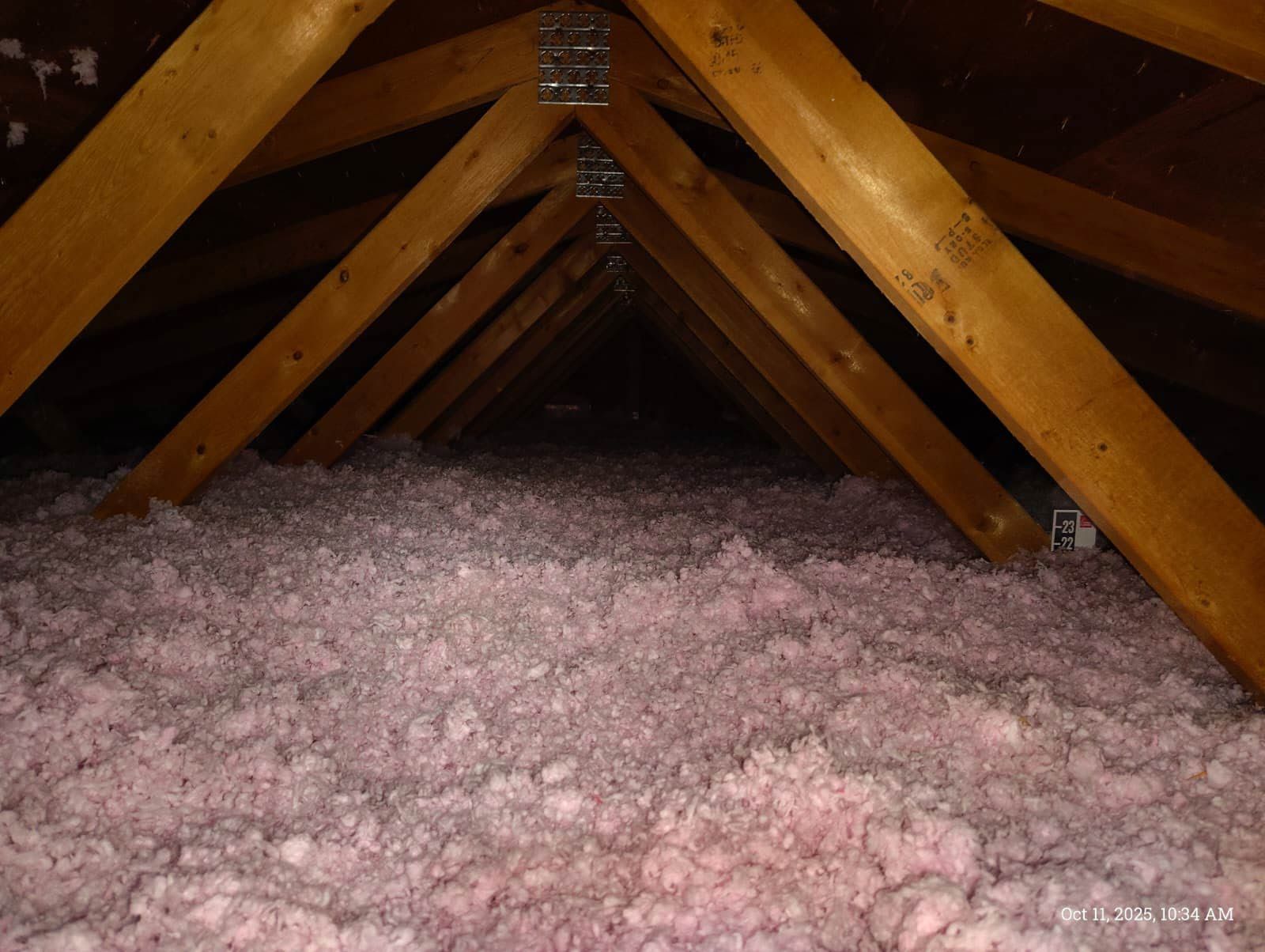
Before laying down a thick blanket of attic insulation, contractors must perform thorough attic sealing. This vital step closes off top plates, wire holes, and plumbing stacks hidden beneath the floor joists.
Searching for "attic sealing near me" is often the first step to fix high winter energy bills or inconsistent upstairs temperatures. If you constantly find yourself needing an "attic sealing near me" provider, it is time to act.
Addressing both the attic and foundation with expert air sealing services drastically reduces overall air exchange and improves the efficiency of your home insulation Denver.
Energy Savings from Proper Air Sealing
The financial implications of ignoring the building envelope are substantial. The Environmental Protection Agency (EPA) estimates homeowners can save an average of 15% on heating and cooling costs by air sealing and adding insulation.
In a climate like Denver's, these percentages translate into significant dollar savings. Properly executing air sealing services also reduces the mechanical load placed on your HVAC equipment.
Combining top-tier home insulation Denver with rigorous air sealing ensures your furnace runs less frequently and for shorter durations. This reduced wear and tear extends the lifespan of expensive mechanical systems.
Ready for comprehensive air sealing services to stop paying to heat the Colorado sky? It is time to contact our team for a full property evaluation.
Frequently Asked Questions
What is the difference between air sealing and insulation?
Insulation (like fiberglass or cellulose) acts as a thermal blanket to slow heat transfer. Air sealing acts as a windbreaker to stop physical air movement.
You need both to achieve peak performance from your home insulation Denver. Without air sealing, cold drafts bypass the insulation layer entirely.
Can my house be sealed too tightly with air sealing services?
While it is crucial to "build tight," older homes may require mechanical ventilation if they become airtight after intensive upgrades.
Professional air sealing services test the Air Changes per Hour (ACH) to balance efficiency and safe indoor air quality for your family.
How do I know if I need attic sealing near me?
Signs you need an "attic sealing near me" provider include uneven room temperatures, ice dams forming on the roof, and visible drafts near light fixtures.
Proper attic sealing effectively eliminates these costly issues by stopping the Stack Effect at its source.
Will proper home insulation in Denver increase my property value?
Yes. Upgrading your home insulation Denver combined with professional air sealing is highly sought after in the local real estate market.
It boosts buyer appeal, improves home inspection outcomes, and yields a strong return on investment for homeowners.
Conclusion
Securing the thermal envelope of your home through meticulous air sealing and robust home insulation Denver is not just an upgrade. It is a foundational necessity for modern living in Colorado.
Understanding the symbiotic relationship between thermal resistance and air barriers empowers Denver homeowners. You can transform drafty, inefficient houses into comfortable, cost-effective sanctuaries.
Prioritize professional air sealing services today. Enjoy the dividends of reduced energy consumption and maximized indoor comfort for decades to come.